

Spring arrives like a quiet celebration, bringing with it a palette of colors, fragrances, and flavors that awaken the senses. Among its most charming offerings are Edible Spring Flowers, delicate blooms that have been used in culinary traditions for centuries. These natural ingredients are more than decorative touches. They add subtle flavors, nutritional value, and a sense of artistry to everyday meals.
From garden beds to wild fields, edible spring flowers invite us to rethink how we experience food. They remind us that beauty and nourishment can exist side by side, transforming simple dishes into something memorable and refined.
Why Eat Flowers?
Edible flowers are not just about aesthetics. Many contain vitamins, antioxidants, and beneficial plant compounds. Their flavors range from sweet and floral to spicy and tangy, offering a surprising depth that can enhance both sweet and savory dishes.
In historical cuisines, flowers were commonly used in syrups, teas, and herbal remedies. Today, they are making a strong comeback in modern cooking, especially among those who value natural, seasonal ingredients. Incorporating them into your meals is a simple way to connect with nature while experimenting with new tastes.
Popular Edible Spring Flowers
Violets: Sweet and Delicate
Violets are among the earliest spring blooms and are cherished for their gentle sweetness. Their soft floral flavor makes them perfect for desserts. They can be candied for cake decorations or infused into syrups and beverages. Their vibrant purple hue also adds a striking visual element to any dish.
Dandelions: Bold and Nutritious
Often overlooked, dandelions are incredibly versatile. Their bright yellow petals have a mildly bitter yet honey-like flavor. They can be used in teas, salads, or even fried into fritters. Rich in nutrients, dandelions offer both health benefits and a unique taste experience.
Nasturtiums: Peppery and Vibrant
Nasturtiums stand out with their bold colors and distinctive flavor. They bring a peppery bite similar to leafy greens like arugula. Both the flowers and leaves are edible, making them a great addition to salads or as a garnish that delivers both flavor and visual appeal.
Chamomile: Gentle and Soothing
Chamomile flowers are small and daisy-like, known for their calming properties. Their mild apple-like flavor works beautifully in teas, desserts, and infused creams. They are especially popular in recipes designed to create a sense of comfort and relaxation.
Lavender: Fragrant and Elegant
Lavender offers a strong, aromatic flavor that must be used carefully. In small amounts, it adds a sophisticated touch to baked goods, syrups, and even savory dishes. Its fragrance alone can elevate a dish, making it feel both luxurious and unique.
How to Use Edible Flowers in Cooking
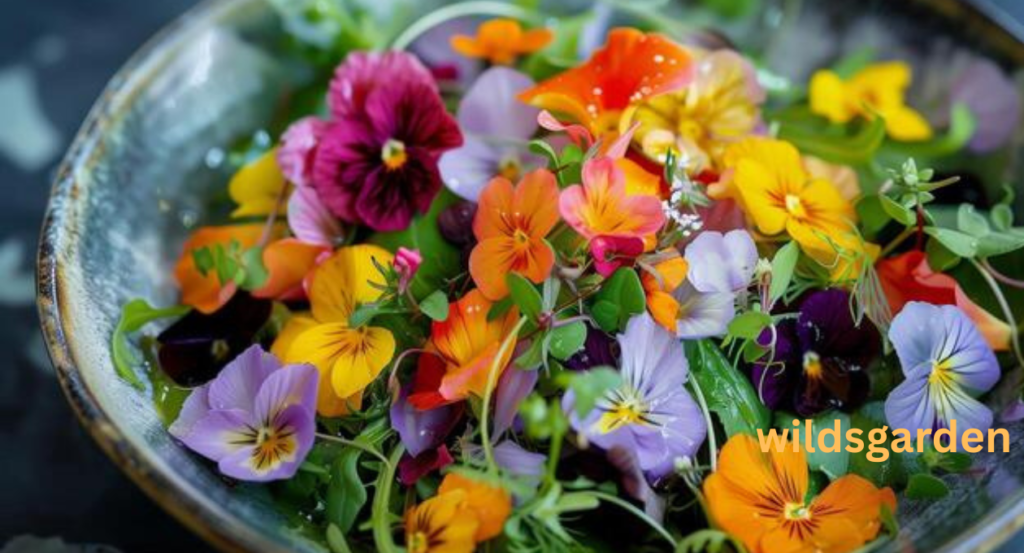
Adding edible flowers to your meals does not require advanced skills. A handful of petals can transform a simple salad into a vibrant dish. Flowers can be frozen into ice cubes for drinks, infused into honey or sugar, or sprinkled over desserts for a natural garnish.
When cooking with flowers, balance is key. Their flavors are often delicate, so they should complement rather than overpower the dish. Experimenting in small amounts allows you to discover what works best for your palate.
Safety and Sourcing
Not all flowers are safe to eat, so proper identification is essential. Always use flowers that are known to be edible and ideally grown without pesticides. Avoid picking flowers from roadsides or unfamiliar areas. If you are unsure, sourcing from a trusted grower or market is the safest option.
Preparation also matters. Many flowers require removing bitter parts such as stems or the base of the petals. Washing them gently ensures they are clean and ready to use.
A Seasonal Delight Worth Exploring
Edible spring flowers offer a unique way to celebrate the season. They bring color, flavor, and creativity into the kitchen, encouraging a more thoughtful approach to cooking. Whether you are decorating a dessert or experimenting with floral infusions, these blooms provide endless possibilities.
As spring unfolds, taking the time to explore edible flowers can turn ordinary meals into something truly special.
Conclusion
Edible spring flowers offer a gentle reminder that food can be as beautiful as it is nourishing. Their colors brighten the plate, their flavors add subtle complexity, and their presence connects us to the rhythm of the seasons. By thoughtfully selecting and preparing these blooms, even the simplest dishes can feel elevated and intentional.
As you explore edible flowers, the experience becomes less about novelty and more about appreciation. It is an opportunity to notice small details, experiment with natural ingredients, and bring a sense of creativity into everyday cooking. Spring provides the perfect moment to begin, inviting you to embrace its freshness one petal at a time.
faqs
Are all flowers safe to eat?
No, not all flowers are edible. Some can be toxic and harmful if consumed. It is important to only eat flowers that are specifically known to be safe, such as violets, chamomile, and nasturtiums. When in doubt, always verify from a reliable source before using any flower in food.
Where can I find edible flowers?
You can grow them in your own garden, purchase them from farmers’ markets, or buy them from specialty grocery stores. Make sure they are labeled as edible and free from pesticides or chemicals.
How should edible flowers be prepared?
Most edible flowers should be gently washed and dried before use. In many cases, the bitter parts such as stems or the base of the flower should be removed. They can be used fresh, dried, or infused into liquids like tea or syrup.
What do edible flowers taste like?
The taste varies widely depending on the type of flower. Some are sweet and mild, like violets, while others can be slightly bitter or peppery, like dandelions and nasturtiums. Each flower brings its own unique flavor profile.
Can edible flowers be cooked or are they only for garnish?
Edible flowers can be both decorative and functional. While they are often used as garnishes, they can also be baked into cakes, infused into drinks, or even fried. Their versatility makes them suitable for a wide range of recipes.

