

Weeds are a constant challenge for gardeners, homeowners, and anyone trying to maintain a clean outdoor space. In the search for natural and affordable solutions, many people come across the idea of using Epsom salt as a weed killer. It’s easy to find, inexpensive, and often marketed as a gardening aid. But Does Epsom Salt Kill Weeds really kill weeds, and is it a good solution in the long run?
What Is Epsom Salt?
Epsom salt is not actually salt in the traditional sense. It is a naturally occurring mineral compound known as magnesium sulfate. Gardeners sometimes use it to improve plant health, especially in soils that are deficient in magnesium. It can help certain plants grow greener and stronger when used correctly.
Common Uses in Gardening
Epsom salt is often used to:
- Improve magnesium levels in soil
- Support plant growth and seed germination
- Enhance the color of leaves in some plants
However, its role as a weed killer is more controversial and less straightforward.
Does Epsom Salt Kill Weeds?
The short answer is yes, Epsom salt can kill weeds under certain conditions. When applied in high concentrations, it draws moisture out of plant cells. This causes dehydration, leading to wilting and eventually plant death.
How It Works
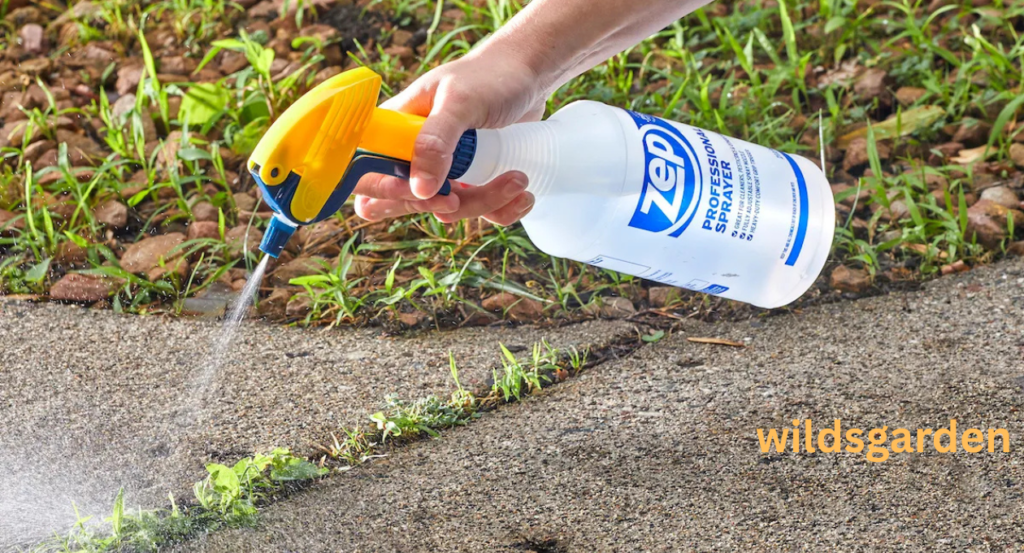
Epsom salt creates a drying effect on plants. When it comes into direct contact with leaves and stems, it can damage plant tissues. This is why some people use it as a DIY weed control method, especially in areas like driveways or cracks in pavement.
Limitations of Effectiveness
While it may kill small or young weeds, Epsom salt is not always effective against deep-rooted or established weeds. In many cases, the roots remain alive and the weed grows back after some time. This means repeated applications may be needed, which can cause other problems.
Risks of Using Epsom Salt as a Weed Killer
Although it might seem like a natural solution, using Epsom salt to kill weeds comes with several drawbacks.
Harm to Desired Plants
Epsom salt is non-selective, meaning it does not distinguish between weeds and beneficial plants. If it spreads to nearby grass, flowers, or vegetables, it can damage or kill them as well.
Soil Imbalance
Magnesium is important for plant health, but too much of it can disrupt soil balance. Excess magnesium can interfere with the absorption of other essential nutrients like calcium and potassium. Over time, this can reduce soil fertility and harm overall plant growth.
Environmental Concerns
Repeated use of Epsom salt can lead to a buildup of minerals in the soil. This may affect soil structure and reduce its ability to support healthy plant life in the future.
Better Alternatives for Weed Control
If you are looking for effective and safe ways to manage weeds, there are better options available.
Manual Removal
Pulling weeds by hand is one of the most reliable methods. Removing the roots ensures that the weed is less likely to grow back.
Mulching
Applying mulch helps block sunlight, preventing weeds from growing. It also improves soil moisture and health.
Natural Solutions
Boiling water or vinegar-based sprays can be more effective for killing weeds in small areas. These methods are often safer for the environment when used carefully.
Conclusion
Epsom salt can kill weeds, but it is far from an ideal solution. While it may temporarily dry out and damage unwanted plants, it does not reliably eliminate roots or prevent regrowth. More importantly, its non-selective nature means it can harm nearby plants and disrupt the natural balance of your soil over time.
For gardeners who want effective and sustainable weed control, methods like hand-pulling, mulching, and targeted natural treatments are much safer and more reliable. Epsom salt is best reserved for its intended purpose—as a soil supplement when there is a genuine magnesium deficiency—rather than as a weed killer.
FAQs
Does Epsom salt permanently kill weeds?
No, Epsom salt does not usually kill weeds permanently. It may damage the visible part of the plant, but the roots often survive and allow the weed to grow back.
How long does it take for Epsom salt to kill weeds?
If it works, you may see wilting within a few hours to a couple of days. However, the effect is often temporary, especially for established weeds.
Can I mix Epsom salt with vinegar to kill weeds?
Yes, many DIY weed killer recipes combine Epsom salt with vinegar and dish soap. In these mixtures, vinegar is the main ingredient that kills weeds, while Epsom salt plays a minor role.
Is Epsom salt safe for soil?
In small amounts, Epsom salt can benefit soil that lacks magnesium. However, excessive use can lead to nutrient imbalances and negatively affect soil health.
Will Epsom salt kill grass too?
Yes, Epsom salt is non-selective and can harm or kill grass and other plants if applied directly.

