

Weeds and unwanted vegetation can quickly take over gardens, lawns, farms, and natural areas if left unmanaged. To control these plants effectively, many land managers and homeowners rely on herbicides. Among the most widely used herbicides are triclopyr vs glyphosate. Both chemicals are designed to kill unwanted plants, but they work in different ways and are suited for different situations. Understanding the differences between triclopyr and glyphosate helps users choose the right product while minimizing environmental impact.
What Is Glyphosate?
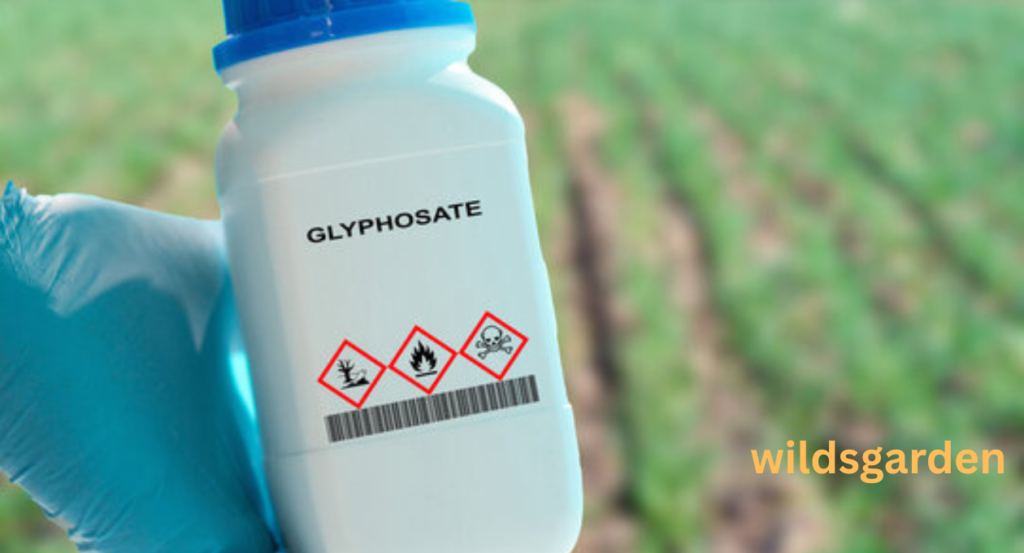
Glyphosate is one of the most widely used herbicides in the world. It is the active ingredient in many weed-control products commonly used in agriculture, landscaping, and home gardening. Glyphosate works by blocking a plant enzyme that is essential for producing certain amino acids needed for growth. Once the herbicide enters the plant through its leaves, it travels throughout the plant and gradually stops its ability to grow.
Because glyphosate affects a broad range of plants, it is known as a non-selective herbicide. This means it can kill almost any plant it touches, including grasses, weeds, shrubs, and small trees. For this reason, it is often used to clear large areas of vegetation, control weeds in crop fields, and maintain pathways or driveways where plant growth is unwanted.
Glyphosate typically works best when sprayed directly onto actively growing plants. After application, the chemical moves through the plant’s vascular system and eventually kills the roots as well as the leaves. This makes it effective against many annual and perennial weeds.
What Is Triclopyr?
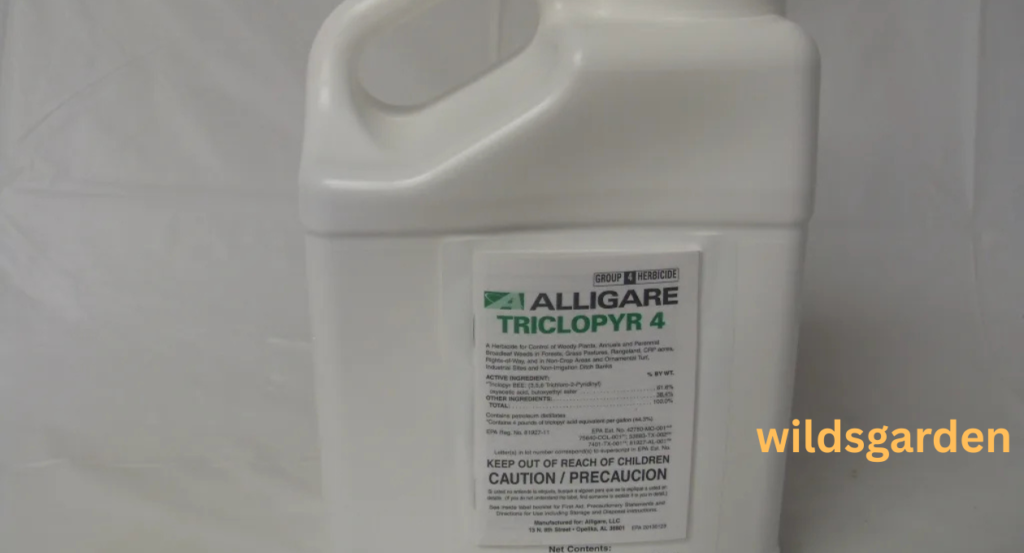
Triclopyr is another widely used herbicide, but it differs significantly from glyphosate in its selectivity. Triclopyr is mainly designed to control woody plants and broadleaf weeds while leaving grasses relatively unaffected. Because of this selective property, it is often used in forests, rangelands, and lawns where grass needs to remain healthy while unwanted shrubs and weeds are removed.
Triclopyr works by mimicking plant growth hormones called auxins. When absorbed by a plant, it causes uncontrolled and abnormal growth, which eventually leads to the plant’s death. This process particularly affects broadleaf plants, including many invasive shrubs and trees.
Land managers frequently use triclopyr to control species such as brush, vines, and invasive plants that are difficult to remove manually. It can be applied through foliar sprays, basal bark treatments, or cut-stump methods, depending on the type of vegetation being targeted.
Key Differences Between Triclopyr and Glyphosate
Although both herbicides are designed to kill unwanted plants, their differences make them suitable for different tasks.
Glyphosate is non-selective, meaning it kills nearly all plants it contacts. This makes it useful when the goal is to completely clear vegetation. However, it also means users must apply it carefully to avoid damaging desirable plants.
Triclopyr, on the other hand, is selective, mainly targeting woody plants and broadleaf weeds. Grasses are generally more tolerant of triclopyr, which makes it helpful in areas like lawns or pastures where grass needs to remain intact.
Another difference lies in their typical uses. Glyphosate is commonly used in agriculture and general weed control, while triclopyr is often chosen for brush control, invasive plant management, and forestry applications.
Environmental Considerations
Like all herbicides, both triclopyr and glyphosate must be used responsibly. Proper application helps reduce risks to surrounding plants, wildlife, and water sources. Users should always follow label instructions, apply the correct dosage, and avoid spraying during windy conditions.
Environmental debates have surrounded glyphosate in particular, as some studies have examined its potential health and ecological effects. Regulatory agencies in many countries continue to review its safety while establishing guidelines for safe use.
Triclopyr also requires careful handling, especially near water bodies, since some formulations can affect aquatic plants.
Choosing the Right Herbicide
Selecting between triclopyr and glyphosate largely depends on the type of vegetation being controlled. If the goal is to eliminate nearly all plant growth in an area, glyphosate may be more suitable. However, if the aim is to remove woody plants or broadleaf weeds while preserving grasses, triclopyr is often the better option.
Understanding how these herbicides work allows gardeners, farmers, and land managers to make informed decisions. By choosing the correct product and applying it carefully, vegetation can be controlled effectively while protecting surrounding ecosystems.
Conclusion
Triclopyr and glyphosate are both effective herbicides used to control unwanted vegetation, but they serve different purposes. Glyphosate is a non-selective herbicide that kills a wide variety of plants, making it useful for clearing large areas or controlling general weeds. In contrast, triclopyr is a selective herbicide that mainly targets woody plants and broadleaf weeds while leaving grasses largely unaffected.
Because of these differences, the choice between triclopyr and glyphosate depends on the specific vegetation management goal. Glyphosate may be the better option when complete vegetation removal is needed, while triclopyr is often preferred for managing brush, shrubs, and invasive broadleaf plants without damaging surrounding grass.
faqs
1. What is the main difference between triclopyr and glyphosate?
The main difference is their selectivity. Glyphosate is a non-selective herbicide that kills most types of plants, while triclopyr is selective and mainly targets woody plants and broadleaf weeds without seriously harming grasses.
2. Which herbicide works better for killing brush and woody plants?
Triclopyr is generally more effective for controlling brush, shrubs, and woody plants. It is commonly used in forestry, rangelands, and invasive plant management.
3. Can glyphosate kill grass?
Yes. Glyphosate can kill grass because it is a non-selective herbicide. If sprayed on grass, it will usually damage or kill it along with other plants.
4. Is triclopyr safe to use on lawns?
Triclopyr can be used on certain lawns because it targets broadleaf weeds while allowing most grasses to survive. However, it should always be applied according to the product label to avoid damage to desirable plants.
5. How long do these herbicides take to work?
Both herbicides usually start showing effects within a few days to two weeks, depending on the plant type, weather conditions, and application method.

