

Introduction
Pollen season is a challenging time for millions of people who suffer from seasonal allergies. As plants release tiny pollen particles into the air for reproduction, these particles can trigger allergic reactions in sensitive individuals. Symptoms such as sneezing, itchy eyes, congestion, and fatigue can make daily life uncomfortable. Because of this, many people eagerly ask the same question every year: When will pollen season end? The answer depends on several factors, including the types of plants in a region, local climate conditions, and seasonal weather patterns.
What Pollen Is
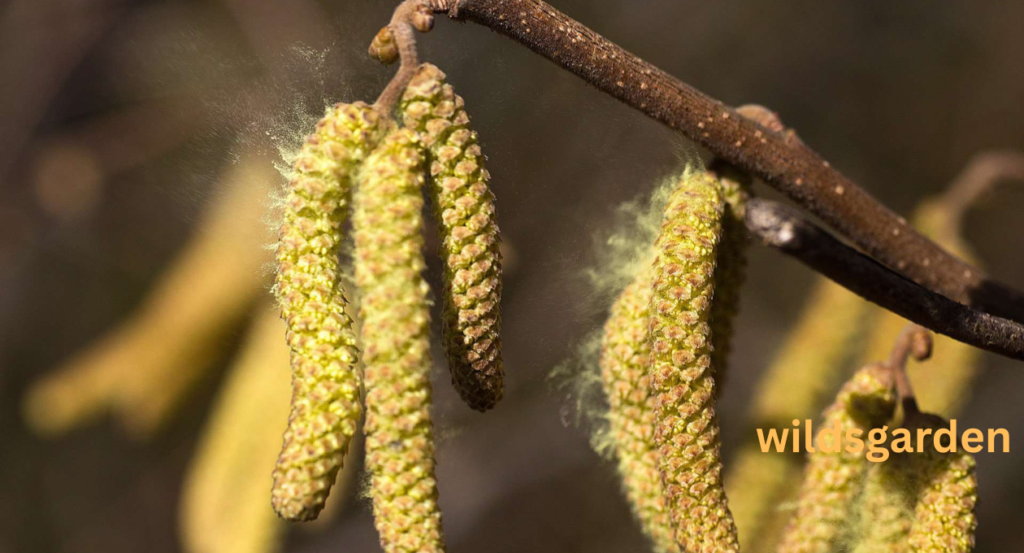
Pollen is a fine powder produced by trees, grasses, and weeds as part of their reproductive process. It travels through the air and fertilizes other plants of the same species. While pollen is essential for plant life and ecosystems, it can cause allergic reactions in many people. When someone with pollen allergies inhales these particles, their immune system mistakenly identifies them as harmful. This triggers the release of histamines in the body, leading to symptoms such as sneezing, runny nose, itchy throat, watery eyes, and nasal congestion.
The Three Main Phases of Pollen Season
Pollen season is not a single event. Instead, it occurs in stages depending on which plants are releasing pollen at different times of the year.
Tree Pollen Season (Early Spring)
The first phase begins in early spring, usually between February and April in many regions. During this time, trees release large amounts of pollen into the air. Common pollen-producing trees include oak, birch, maple, cedar, and pine. Tree pollen particles are extremely light and can travel long distances through the wind. This means that even if trees are not growing directly nearby, their pollen can still reach your area and trigger allergies.
Grass Pollen Season (Late Spring to Early Summer)
The second stage occurs in late spring and early summer when grasses begin pollinating. Grass pollen is one of the most common causes of seasonal allergies worldwide. Types of grass such as Bermuda grass, Timothy grass, and ryegrass release pollen during warm months. People who are sensitive to grass pollen often experience worsening symptoms during outdoor activities like mowing lawns, walking in parks, or spending time in fields.
Weed Pollen Season (Late Summer to Fall)
The final stage of pollen season happens during late summer and fall when weeds release pollen. Ragweed is one of the most significant contributors to fall allergies. A single ragweed plant can release millions of pollen grains into the air. Other weeds such as pigweed, sagebrush, and lamb’s quarters also contribute to high pollen levels during this period. For people allergic to ragweed, symptoms may continue until the first frost arrives.
When Does Pollen Season Usually End?
In many regions with cooler climates, pollen season typically ends in late October or early November. The arrival of cold temperatures and frost stops most plants from releasing pollen. Once plants stop pollinating, pollen counts drop significantly, and allergy sufferers finally begin to experience relief.
However, in warmer climates where frost occurs later—or sometimes not at all—pollen can remain in the air for a longer period. Changes in global climate patterns have also extended pollen seasons in some areas, making allergies last several weeks longer than they did in the past.
Tips to Reduce Pollen Exposure
While pollen season lasts, there are several ways people can reduce their exposure and manage symptoms:
- Check daily pollen forecasts to plan outdoor activities.
- Keep windows closed during high pollen days.
- Shower and change clothes after spending time outside.
- Use air purifiers indoors to reduce airborne allergens.
- Consider antihistamines or allergy medications if symptoms become severe.
Conclusion
Pollen season can feel long and exhausting for people with seasonal allergies, but it does not last forever. In most places, pollen levels begin to drop in late fall as temperatures cool and plants stop pollinating. By understanding the different phases of pollen season and taking steps to reduce exposure, allergy sufferers can better manage their symptoms until the season finally comes to an end.
faqs
1. When does pollen season usually start?
Pollen season usually begins in early spring when trees start releasing pollen. In many regions, this can start as early as February or March and continue through the warmer months.
2. When does pollen season end?
Pollen season typically ends in late October or early November when cooler temperatures and the first frost stop most plants from producing pollen. However, the exact timing depends on climate and location.
3. What plants produce the most pollen?
The main sources of pollen are trees, grasses, and weeds. Trees like oak, birch, and cedar release pollen in early spring, grasses release pollen in late spring and early summer, and weeds such as ragweed produce pollen in late summer and fall.
4. Why are pollen allergies worse on some days?
Pollen levels are usually higher on warm, dry, and windy days because wind spreads pollen easily through the air. Rainy days often reduce pollen levels because the rain washes pollen out of the air.
5. How can I check pollen levels in my area?
You can check pollen forecasts through weather websites, mobile apps, or local health reports. These forecasts show daily pollen levels and help people plan activities accordingly.

