

Wetlands around the world are home to many fascinating plant species, but few attract as much attention as purple loosestrife (Lythrum salicaria). With its tall spikes of bright purple flowers, this plant is undeniably beautiful. However, beneath its attractive appearance lies a complex ecological story. In many regions, purple loosestrife is considered an invasive species that threatens native plants and wildlife. Understanding this plant—its origins, characteristics, and environmental impact—helps us appreciate both its beauty and the challenges it creates for ecosystems.
What Is Purple Loosestrife?
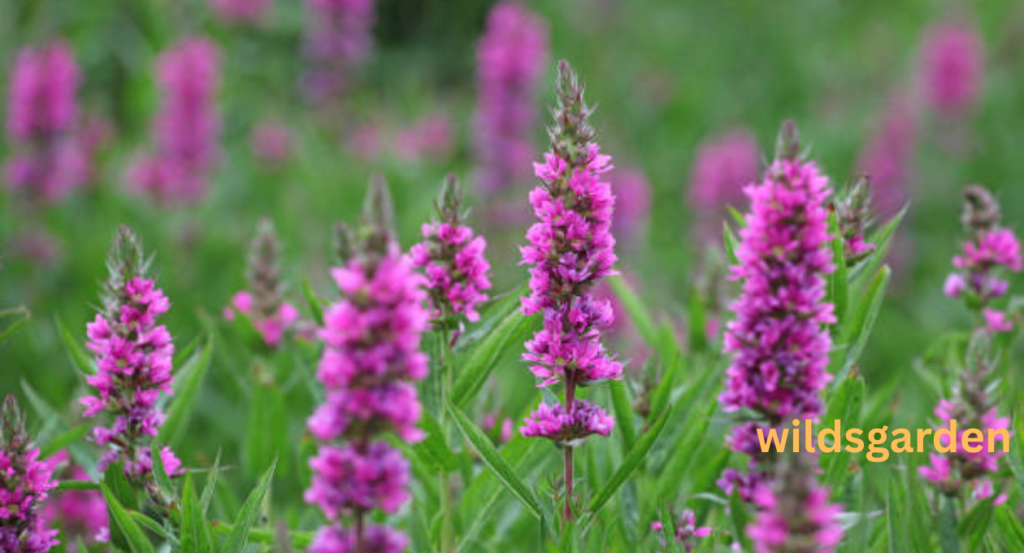
Purple loosestrife is a perennial flowering plant that thrives in wetlands, marshes, riverbanks, and ditches. It can grow between 3 and 10 feet tall and produces long clusters of vibrant purple-magenta flowers during the summer months. Each plant can develop dozens of flower spikes, making it highly visible and attractive in natural landscapes.
Originally native to Europe, Asia, and parts of North Africa, purple loosestrife was introduced to North America in the early 1800s. Historians believe it arrived through ship ballast, contaminated soil, or as a garden ornamental plant. Because of its striking appearance, many gardeners once cultivated it intentionally, unaware of the ecological problems it could cause.
Why Purple Loosestrife Becomes a Problem
One of the main reasons purple loosestrife spreads so rapidly is its extraordinary reproductive ability. A single mature plant can produce over two million seeds in one growing season. These seeds are easily carried by water, wind, animals, and human activity, allowing the plant to spread quickly across wetlands.
Once established, purple loosestrife forms dense stands that crowd out native vegetation such as cattails and sedges. Native plants play a crucial role in wetland ecosystems by providing food and habitat for insects, birds, amphibians, and fish. When purple loosestrife dominates an area, it reduces plant diversity and disrupts these ecological relationships.
Wetlands invaded by purple loosestrife may become less suitable for wildlife. Some birds and mammals rely on native plants for nesting materials and shelter, which the invasive plant cannot fully replace. As a result, biodiversity in affected wetlands may decline.
Ecological Importance of Wetlands
To understand why purple loosestrife is such a concern, it is important to recognize the value of wetlands themselves. Wetlands act as natural water filters, removing pollutants and improving water quality. They also help reduce flooding by absorbing excess rainwater and slowing runoff.
Additionally, wetlands are among the most productive ecosystems on Earth. They support a wide range of species, from migratory birds to aquatic insects and amphibians. When invasive plants like purple loosestrife disrupt these habitats, the ecological balance can shift dramatically.
Managing and Controlling Purple Loosestrife
Because purple loosestrife spreads so aggressively, scientists and environmental managers have developed several strategies to control it. Mechanical removal, such as hand-pulling or cutting plants before they produce seeds, can be effective for small infestations. However, this method becomes difficult in large wetlands.
Biological control has proven to be one of the most successful approaches. Researchers have introduced specific beetle species that feed almost exclusively on purple loosestrife. These beetles weaken the plants by eating their leaves and stems, helping native vegetation recover over time.
Public awareness also plays a key role. Many regions now discourage planting purple loosestrife in gardens and promote native alternatives that support local ecosystems without spreading uncontrollably.
A Plant of Contradictions
Purple loosestrife illustrates how a plant can be both beautiful and problematic. Its vibrant flowers make it visually appealing, yet its aggressive growth threatens the health of wetlands in many parts of the world. This contradiction highlights the importance of understanding ecological balance before introducing species into new environments.
By learning about plants like purple loosestrife, communities can make more informed decisions about conservation and land management. Protecting wetlands and supporting native plant species ensures that these vital ecosystems continue to thrive for future generations.
Conclusion
Purple loosestrife is a striking plant that captures attention with its tall stems and vibrant purple flowers. Yet its beauty hides a serious ecological challenge. Because of its rapid growth and ability to produce millions of seeds, this plant can quickly spread across wetlands and outcompete native vegetation. As it takes over natural habitats, it disrupts ecosystems that many species of birds, insects, and aquatic animals depend on for survival.
faqs
1. What is purple loosestrife?
Purple loosestrife (Lythrum salicaria) is a tall, perennial flowering plant known for its bright purple-magenta flowers that grow in long spikes. It commonly grows in wetlands, marshes, riverbanks, and roadside ditches.
2. Where did purple loosestrife originate?
Purple loosestrife is native to Europe, Asia, and North Africa. It was introduced to North America in the 19th century, likely through ship ballast water, contaminated soil, and ornamental garden plantings.
3. Why is purple loosestrife considered invasive?
It is considered invasive because it spreads rapidly and forms dense clusters that crowd out native wetland plants. This reduces biodiversity and disrupts habitats for wildlife that depend on native vegetation.
4. How does purple loosestrife spread?
Purple loosestrife spreads mainly through seeds. A single plant can produce millions of tiny seeds each year, which can travel by wind, water, animals, and human activities.
5. How can purple loosestrife be controlled?
Control methods include hand-pulling young plants, cutting mature plants before they produce seeds, applying approved herbicides, and using biological control insects such as beetles that feed specifically on purple loosestrife.

