

There is something magical about biting into the sweetest mango. The golden flesh, dripping with juice, melts in your mouth like nature’s own dessert. For many of us, mango is not just a fruit—it’s a memory, a season, and a celebration wrapped in vibrant shades of yellow and orange.
The King of Fruits
Often called the “King of Fruits,” mango holds a special place in tropical countries around the world. In places like India, Pakistan, the Philippines, Mexico, and Thailand, mango season is eagerly awaited all year. Markets become colorful treasure troves filled with the fragrance of ripe mangoes, and families gather to enjoy them in countless ways.
But what makes a mango the sweetest? It’s the perfect combination of variety, ripeness, climate, and care. When all these elements come together, the result is a fruit so sweet and aromatic that it feels like tasting sunshine itself.
Famous Sweet Mango Varieties
Some mango varieties are especially famous for their sweetness and flavor:
- Alphonso – Known as one of the sweetest and richest mangoes in the world, Alphonso mangoes from India are creamy, fragrant, and almost fiberless.
- Carabao – Also called the Philippine mango, this variety holds records for sweetness and has a smooth, buttery texture.
- Ataulfo – Often labeled as honey mango, Ataulfo is small, golden, and exceptionally sweet with minimal fibers.
- Kesar – Popular in India, Kesar mangoes are bright orange inside and known for their balanced sweetness and aroma.
Each variety has its own personality, but all share one delightful trait—an irresistible sugary flavor.
The Secret Behind the Sweetness
The sweetness of a mango depends on natural sugars like fructose, glucose, and sucrose that develop as the fruit ripens. Warm climates with plenty of sunshine allow mangoes to mature slowly, concentrating their sugars and enhancing flavor.
A perfectly ripe mango gives slightly when pressed and releases a sweet, fruity fragrance near the stem. The color may vary depending on the variety, so aroma and softness are better indicators than color alone.
Farmers also play a crucial role. Proper watering, soil nutrients, and careful harvesting at the right time ensure the mango reaches peak sweetness. A mango picked too early may never develop its full sugary potential.
A Fruit Full of Goodness
Beyond its heavenly taste, the sweetest mango is packed with nutrients. It is rich in vitamin C, which boosts immunity, and vitamin A, which supports healthy vision and glowing skin. Mangoes also contain antioxidants and fiber, making them both delicious and beneficial for digestion.
Eating mango feels indulgent, yet it nourishes the body. Whether enjoyed fresh, blended into smoothies, sliced over yogurt, or turned into desserts, mango brings both flavor and health to the table.
Sweet Mango Moments
For many, the sweetest mango is tied to cherished memories—sticky fingers on summer afternoons, family picnics, or homemade mango ice cream. In some cultures, mangoes symbolize love, prosperity, and happiness. They are exchanged as gifts and featured in festive dishes.
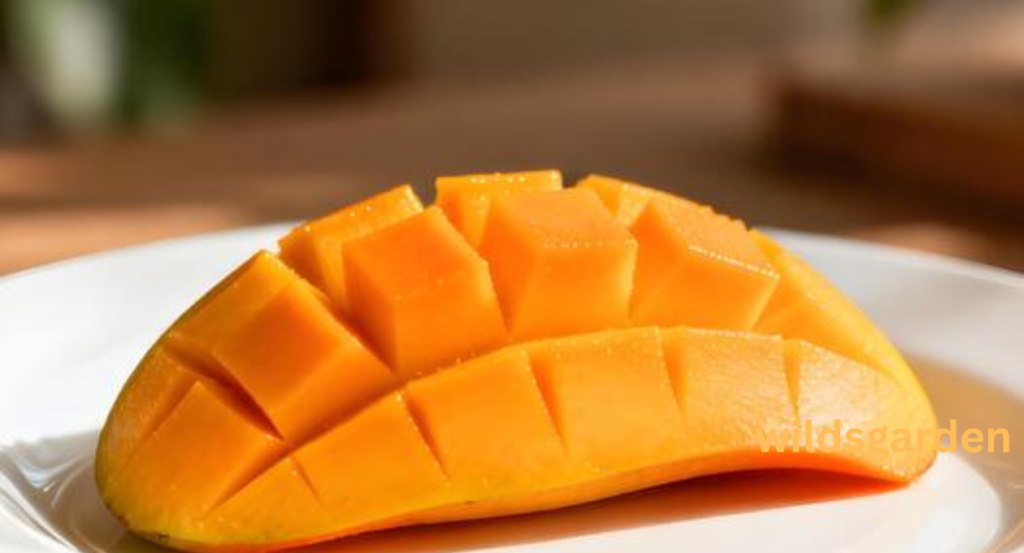
There’s something deeply joyful about sharing a ripe mango with loved ones. The simple act of slicing it open reveals a bright, golden interior that promises pure delight. Even the scent alone can transport you to a tropical orchard.
More Than Just a Fruit
The sweetest mango is more than food—it’s an experience. It represents warmth, sunshine, and the richness of nature. From the first slice to the last juicy bite, it offers comfort and happiness in its simplest form.
When mango season arrives, it reminds us to slow down and savor life’s sweetest moments. Because sometimes, the greatest pleasures come not from complicated recipes or expensive desserts, but from a perfectly ripe mango enjoyed under the summer sky.
So the next time you hold a mango in your hand, take a moment to appreciate its journey—from blossom to fruit, from tree to table. And when you taste that burst of sweetness, remember: you are tasting one of nature’s finest gifts.
Conclusion
The sweetest mango is more than a delicious tropical fruit—it is a symbol of sunshine, joy, and simple pleasures. Its rich flavor, vibrant color, and irresistible aroma make it a favorite across cultures and generations. From renowned varieties like Alphonso and Carabao to the beloved Ataulfo and Kesar, each bite tells a story of warmth, care, and nature’s perfection.
Whether enjoyed fresh off the tree, blended into a smoothie, or shared with family on a summer afternoon, mango reminds us to savor life’s sweetest moments. In its golden flesh lies not only incredible taste but also memories, tradition, and nourishment.
In the end, the sweetest mango is not just about how sugary it is—it’s about how it makes you feel. And that feeling, much like the fruit itself, is pure sunshine.
faqs
1. Which mango variety is considered the sweetest?
Many people consider Carabao (Philippine mango) and Alphonso from India among the sweetest varieties in the world. Ataulfo (Honey mango) is also known for its rich, sugary flavor and smooth texture.
2. How can I tell if a mango is sweet and ripe?
A ripe mango will:
- Give slightly when gently pressed
- Have a sweet, fruity aroma near the stem
- Feel heavy for its size
Color alone is not always the best indicator, as sweetness depends more on ripeness than skin color.
3. What makes a mango taste sweeter?
Sweetness develops as natural sugars increase during ripening. Warm climates, plenty of sunshine, proper irrigation, and harvesting at the right time all contribute to a mango’s sweetness.
4. Can I ripen mangoes at home?
Yes. Place unripe mangoes at room temperature for a few days. You can speed up the process by keeping them in a paper bag. Once ripe, store them in the refrigerator to maintain freshness.
5. Are sweet mangoes healthy?
Absolutely! Mangoes are rich in vitamin C, vitamin A, antioxidants, and fiber. Even though they taste like dessert, they provide important nutrients that support immunity, digestion, and skin health.

