

Stone dams are among the oldest and most reliable forms of water control structures used by human civilizations. Built primarily from natural stones, these dams have played a crucial role in water storage, flood control, irrigation, and soil conservation for centuries. Even today, stone dams remain relevant due to their durability, environmental friendliness, and low maintenance requirements.
What Is a Stone Dam?
A stone dam is a barrier constructed across a river, stream, or drainage channel using stones as the main building material. The stones may be stacked dry (without mortar) or bonded with materials such as clay, lime, or cement, depending on the design and purpose. Stone dams vary in size, from small check dams used in agriculture to larger structures designed for water storage and flood control.
History and Traditional Use of Stone Dams
Stone dams have been used since ancient times. Early civilizations in Mesopotamia, the Indus Valley, and parts of Africa and Asia built stone dams to manage seasonal water flows. These structures helped store water during rainy periods and release it slowly during dry seasons. Many traditional stone dams still stand today, demonstrating their remarkable strength and long lifespan.
Types of Stone Dams
There are several types of stone dams, each designed for specific purposes:
- Stone Check Dams: Small structures built across gullies or streams to slow water flow, reduce erosion, and improve groundwater recharge.
- Gravity Stone Dams: Large dams that rely on their own weight to resist water pressure.
- Dry Stone Dams: Built without mortar, allowing water to pass through slowly while trapping sediments.
- Masonry Stone Dams: Constructed using stones bonded with cement or lime for greater strength.
Benefits of Stone Dams
Stone dams offer multiple advantages, especially in rural and environmentally sensitive areas.
First, they are highly durable. Stone structures can last for decades or even centuries with minimal maintenance. Second, stone dams are environmentally friendly, as they use natural materials and blend well with surrounding landscapes. Third, they help with soil and water conservation by reducing erosion, slowing runoff, and increasing groundwater recharge.
Additionally, stone dams are often cost-effective, particularly in regions where stones are locally available. This makes them an excellent choice for small-scale farmers and community-led water management projects.
Construction Process of a Stone Dam
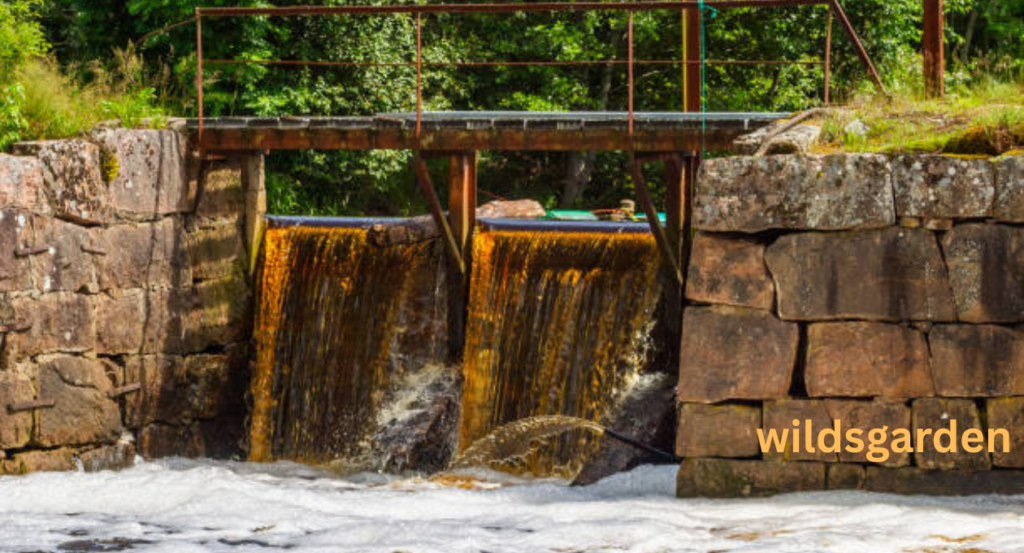
The construction of a stone dam begins with site selection, ensuring a stable foundation and suitable water flow. The base is excavated and leveled, and large stones are placed at the bottom for stability. Smaller stones are then stacked or bonded to form the dam wall. Proper spillways are included to safely release excess water during heavy rainfall and prevent structural damage.
Uses of Stone Dams Today
In modern times, stone dams are widely used for rainwater harvesting, irrigation, and flood mitigation. They are especially popular in arid and semi-arid regions where water conservation is essential. Stone check dams are also used in watershed management projects to restore degraded land and improve agricultural productivity.
Limitations of Stone Dams
Despite their many benefits, stone dams have some limitations. They may not be suitable for very large rivers with high water pressure. Improper construction can lead to leakage or collapse. Therefore, proper design, skilled labor, and regular inspection are essential.
Conclusion
Stone dams represent a perfect balance between traditional knowledge and sustainable engineering. Their strength, simplicity, and environmental benefits make them a valuable solution for water management, especially in rural and developing regions. As the world faces increasing water scarcity and climate challenges, stone dams continue to offer a practical and eco-friendly approach to conserving water and protecting land resources.
Faqs
1. What is a stone dam?
A stone dam is a water control structure built mainly from natural stones. It is constructed across rivers, streams, or drainage channels to store water, reduce erosion, and manage water flow.
2. What are stone dams used for?
Stone dams are used for water storage, irrigation, flood control, soil conservation, and groundwater recharge. Small stone check dams are commonly used in agriculture and watershed management.
3. How long do stone dams last?
Stone dams are highly durable and can last for several decades or even centuries if properly constructed and maintained. Many ancient stone dams are still in use today.
4. Are stone dams environmentally friendly?
Yes, stone dams are considered eco-friendly because they use natural materials, blend with the landscape, and support groundwater recharge while reducing soil erosion.
5. What is the difference between a stone dam and a concrete dam?
A stone dam is built using natural stones and may use little or no cement, while a concrete dam is made entirely from concrete. Stone dams are usually smaller, cheaper, and more suitable for local water management projects.

