

Pickleweed is a fascinating plant that thrives where few others can survive. Commonly found in salty coastal environments, pickleweed is known for its fleshy, jointed stems and bright green color. Also called sea beans or glasswort, this hardy plant plays an important role in coastal ecosystems and has gained popularity for its culinary and environmental value.
What Is Pickleweed?
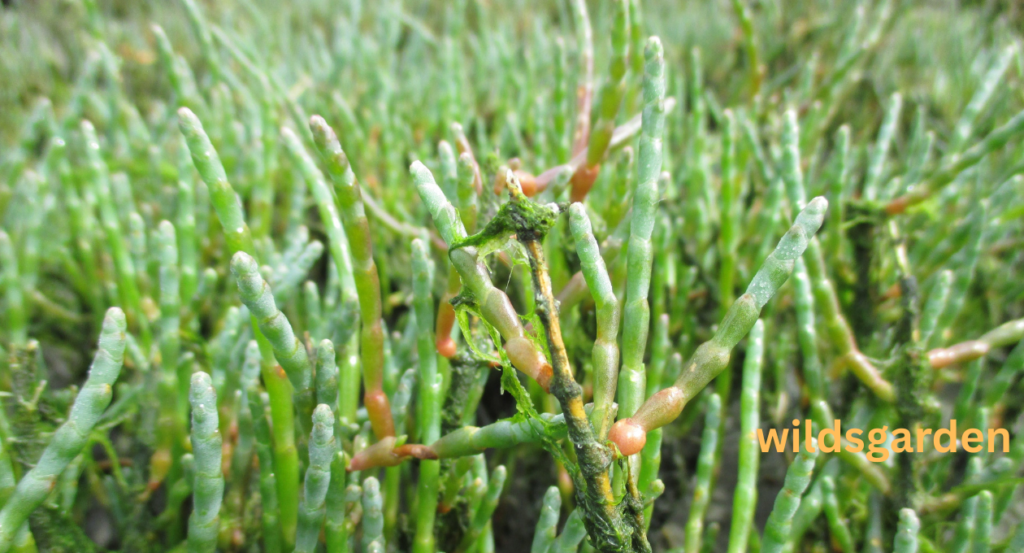
Pickleweed is a salt-tolerant plant belonging to the Salicornia genus. It grows in marshes, tidal flats, and along shorelines where soil salinity is high. Unlike most plants, pickleweed has adapted to absorb and store salt, allowing it to survive in harsh conditions. Its stems are thick, segmented, and leafless, giving it a cactus-like appearance.
Where Pickleweed Grows
Pickleweed is commonly found in coastal regions around the world, including North America, Europe, Asia, and Australia. It grows best in areas influenced by tidal water, where the soil remains moist and salty. Because of its tolerance to flooding and saltwater, pickleweed is often one of the first plants to colonize coastal wetlands.
Ecological Importance of Pickleweed
Pickleweed plays a crucial role in maintaining healthy coastal ecosystems. Its dense growth helps stabilize soil and reduce erosion caused by tides and waves. The plant also provides shelter and food for various insects, birds, and small marine animals. In salt marshes, pickleweed contributes to water filtration by trapping sediments and pollutants, improving overall water quality.
Culinary Uses of Pickleweed
In recent years, pickleweed has become popular in gourmet cooking. Its naturally salty and crunchy texture makes it an excellent addition to salads, seafood dishes, and stir-fries. Pickleweed can be eaten raw or lightly cooked, often compared in taste to green beans with a salty twist. Chefs value it as a sustainable, locally sourced ingredient when harvested responsibly.
Nutritional Value
Pickleweed is low in calories and rich in minerals such as iodine, magnesium, calcium, and potassium. It also contains antioxidants and small amounts of vitamins A and C. Because of its natural salt content, it is often used sparingly but can add flavor without the need for additional seasoning.
Traditional and Modern Uses
Historically, pickleweed was burned to produce soda ash, which was used in glass and soap making. This is why it is sometimes called glasswort. Today, in addition to culinary uses, pickleweed is studied for its potential in soil restoration and saline agriculture. Researchers are exploring how pickleweed can help reclaim salt-affected land and support sustainable farming.
Growing and Harvesting Pickleweed
Pickleweed is not typically grown in home gardens due to its need for salty conditions. However, it can be cultivated in controlled environments using saline water. Harvesting is usually done by cutting the young, tender stems. Sustainable harvesting is essential to protect coastal habitats and ensure the plant continues to thrive.
Conclusion
Pickleweed is a remarkable plant that showcases nature’s ability to adapt to extreme environments. From supporting coastal ecosystems to adding a unique flavor to modern cuisine, pickleweed offers both ecological and practical benefits. As interest in sustainable food sources and environmental conservation grows, this resilient coastal plant is gaining well-deserved attention.
fqas
1. What is pickleweed?
Pickleweed is a salt-tolerant coastal plant from the Salicornia genus. It grows in salt marshes and tidal areas and is also known as sea beans or glasswort.
2. Where does pickleweed grow naturally?
Pickleweed grows in coastal regions around the world, especially in salt marshes, tidal flats, and shorelines with high salinity.
3. Is pickleweed edible?
Yes, pickleweed is edible. It has a naturally salty, crunchy texture and is commonly used in salads, seafood dishes, and stir-fries.
4. What does pickleweed taste like?
Pickleweed tastes similar to green beans or asparagus but with a salty flavor due to the salt it absorbs from seawater.
5. Is pickleweed healthy?
Pickleweed is low in calories and rich in minerals such as iodine, magnesium, calcium, and potassium. It also contains antioxidants and some vitamins.

