

The mustard plant is one of the most widely grown and versatile plants in the world. Known for its bright yellow flowers and nutrient-rich seeds, mustard has been cultivated for thousands of years for food, oil, and medicinal purposes. From agricultural fields to kitchen tables, the mustard plant plays a vital role in human life and the global economy.
What Is a Mustard Plant?
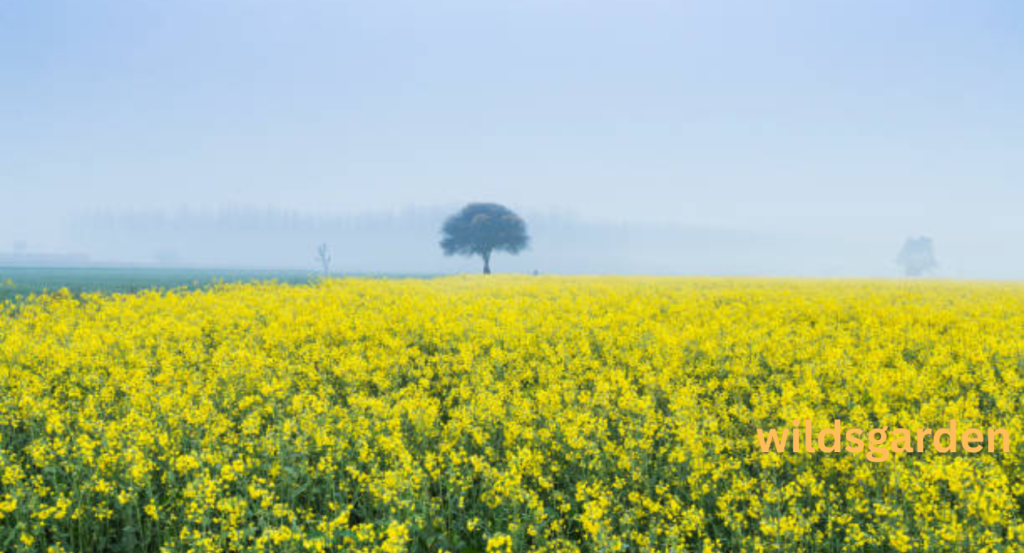
The mustard plant belongs to the Brassica and Sinapis genera of the Brassicaceae family. It is an annual plant that grows quickly and adapts well to different climates. Mustard plants typically reach a height of 3 to 5 feet and are recognized by their green leaves and clusters of small yellow flowers. The seeds produced by these flowers are the source of mustard spice and oil.
Types of Mustard Plants
There are three main types of mustard plants commonly grown around the world:
- Yellow or White Mustard (Sinapis alba) – Mild in flavor, often used in table mustard.
- Brown Mustard (Brassica juncea) – Spicier and commonly used in Asian and Indian cuisines.
- Black Mustard (Brassica nigra) – Strongest in flavor, traditionally used for medicinal and culinary purposes.
Each variety has unique characteristics, but all share similar growth patterns and benefits.
How Mustard Is Grown
Mustard plants are relatively easy to grow, making them popular among farmers. They thrive in cool climates and are usually planted in early spring or fall. The plant prefers well-drained soil and moderate watering. Mustard matures quickly, often within 90 to 120 days, which allows farmers to harvest it efficiently and even grow it as a rotation crop.
In many regions, mustard is grown as both a cash crop and a cover crop. It helps improve soil health by preventing erosion and suppressing weeds.
Uses of the Mustard Plant
The mustard plant is valued for its wide range of uses:
- Culinary Uses: Mustard seeds are used to make mustard paste, sauces, and spice blends. Mustard leaves, also known as mustard greens, are cooked as vegetables in many cultures.
- Oil Production: Mustard seeds are pressed to produce mustard oil, commonly used for cooking and frying, especially in South Asia.
- Medicinal Uses: Traditionally, mustard has been used to relieve muscle pain, improve digestion, and boost circulation.
- Industrial Uses: Mustard oil is also used in soaps, cosmetics, and biofuel production.
Nutritional Value of Mustard
Mustard plants are rich in nutrients. Mustard greens contain vitamins A, C, and K, along with calcium, iron, and antioxidants. Mustard seeds are high in healthy fats, protein, and essential minerals. Including mustard in the diet can support immunity, bone health, and overall well-being.
Economic and Agricultural Importance
Mustard is an important agricultural crop in many countries, including India, Canada, Pakistan, and China. It provides income for farmers and supports industries such as food processing and edible oil production. Due to its short growing cycle and adaptability, mustard is especially valuable in regions with limited farming seasons.
Conclusion
The mustard plant is much more than a simple spice source. It is a fast-growing, nutritious, and economically significant plant with countless uses. From enriching soil to enhancing flavors and supporting health, mustard continues to be an essential crop across the globe. Its versatility and benefits ensure that the mustard plant will remain an important part of agriculture and cuisine for generations to come.
faqs
1. What is a mustard plant?
A mustard plant is a fast-growing annual plant belonging to the Brassicaceae family. It is grown for its seeds, leaves, and oil, and is widely used in cooking, agriculture, and traditional medicine.
2. How long does it take for a mustard plant to grow?
Mustard plants usually take between 90 to 120 days to mature, depending on the variety and growing conditions.
3. What climate is best for growing mustard?
Mustard grows best in cool and moderate climates. It prefers mild temperatures and does not tolerate extreme heat or heavy frost.
4. What are the main types of mustard plants?
The three main types are yellow (white) mustard, brown mustard, and black mustard. Each type differs in flavor, seed color, and usage.
5. Can mustard leaves be eaten?
Yes, mustard leaves, also known as mustard greens, are edible and commonly cooked as vegetables. They are rich in vitamins and minerals.

