

Introduction
Multiflora rose is a fast-growing, thorny shrub that has sparked both appreciation and frustration among landowners, gardeners, and conservationists. Originally introduced for practical purposes such as erosion control and natural fencing, it has since become one of the most widespread invasive plants in many regions. Understanding what multiflora rose is, how to identify it, and how to manage it can help you make informed decisions whether you want to preserve or remove it from your land.
What Is Multiflora Rose?
Multiflora rose (Rosa multiflora) is a deciduous shrub native to East Asia. It was introduced to other parts of the world in the 19th century as an ornamental plant and later promoted for agricultural uses like living fences and wildlife habitat. However, due to its aggressive growth and ability to spread rapidly, it has become invasive in many environments.
This plant can grow up to 10 to 15 feet tall and wide, forming dense thickets that crowd out native vegetation. Its long, arching canes are covered with sharp thorns, making it difficult to walk through areas where it has taken hold.
How to Identify Multiflora Rose
Leaves and Stems
Multiflora rose has compound leaves with five to eleven small leaflets. One of its most distinctive features is the fringed stipules at the base of the leaf stem, which look like tiny combs. The stems are green to reddish and lined with curved thorns.
Flowers
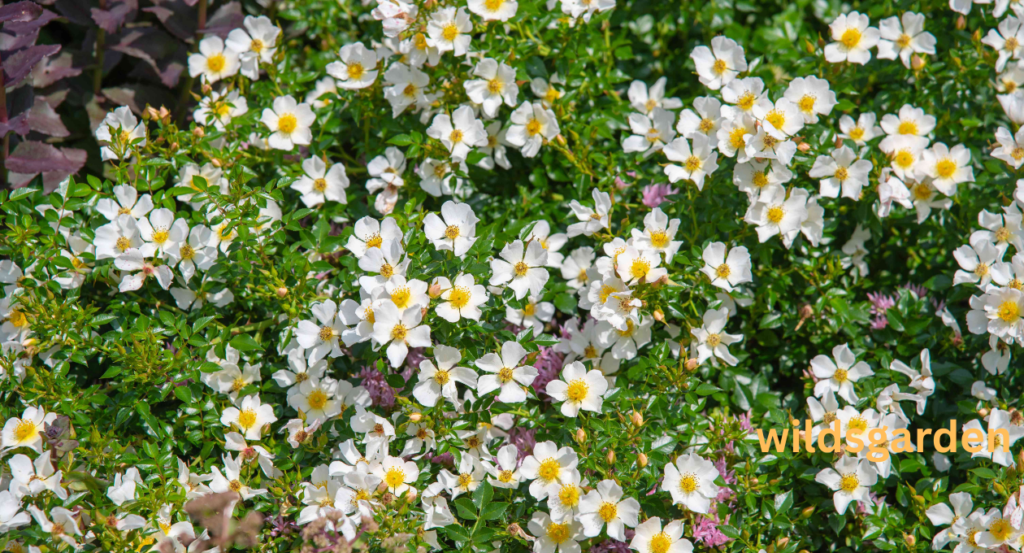
In late spring to early summer, multiflora rose produces clusters of small white or slightly pink flowers. These blooms are fragrant and typically have five petals, making them easy to recognize during flowering season.
Fruits (Rose Hips)
After flowering, the plant develops small red fruits known as rose hips. These hips persist into winter and are often eaten by birds, which helps spread the seeds over long distances.
Benefits of Multiflora Rose
Wildlife Habitat
Despite its invasive nature, multiflora rose provides shelter and nesting sites for birds and small animals. Its dense, thorny structure offers protection from predators.
Food Source
The rose hips serve as a food source for birds and other wildlife, especially during the colder months when other food options are scarce.
Erosion Control
Its extensive root system helps stabilize soil, which can be beneficial in preventing erosion on slopes and disturbed land.
Problems Caused by Multiflora Rose
Invasive Growth
Multiflora rose spreads quickly through seeds and root formation, often forming thick, impenetrable thickets. These thickets can outcompete native plants and reduce biodiversity.
Impact on Agriculture
In pastures and farmland, multiflora rose can limit grazing areas for livestock and make land management more difficult. Its thorns can also injure animals and humans.
Difficult to Remove
Once established, multiflora rose is challenging to control. It can regrow from roots if not fully removed, and its seeds can remain viable in the soil for years.
How to Control Multiflora Rose
Mechanical Removal
Cutting or digging out the plant can be effective, especially for small infestations. It is important to remove as much of the root system as possible to prevent regrowth.
Chemical Control
Herbicides can be used to manage larger infestations. Applying them directly to cut stems or foliage can help reduce the spread. Always follow safety guidelines when using chemicals.
Biological Control
In some areas, natural agents such as rose rosette disease have helped reduce multiflora rose populations. However, this method is not always predictable or controllable.
Prevention Tips
Regular Monitoring
Keep an eye on your land for early signs of multiflora rose. Young plants are much easier to manage than established thickets.
Maintain Healthy Vegetation
Encouraging the growth of native plants can help reduce the chances of multiflora rose taking over, as healthy ecosystems are more resistant to invasive species.
Conclusion
Multiflora rose is a complex plant with both benefits and drawbacks. While it can support wildlife and stabilize soil, its aggressive growth often outweighs these advantages in many environments. Proper identification and timely management are key to controlling its spread and protecting native ecosystems. By staying informed and proactive, you can effectively handle multiflora rose on your property.
faqs
Is multiflora rose an invasive plant?
Yes, multiflora rose is considered an invasive species in many regions. It spreads quickly and forms dense thickets that can crowd out native plants and disrupt natural ecosystems.
How fast does multiflora rose grow?
Multiflora rose grows rapidly, often several feet in a single growing season. Its ability to spread through both seeds and root systems makes it especially aggressive.
How can I permanently get rid of multiflora rose?
Complete removal usually requires a combination of methods. Cutting the plant and treating the stump with herbicide, along with repeated monitoring and removal of new growth, is often the most effective approach.
Are multiflora rose berries edible?
The small red fruits, called rose hips, are technically edible and have been used in teas and jams. However, they are not commonly harvested due to their small size and the difficulty of collecting them from thorny bushes.
Why was multiflora rose originally planted?
It was introduced for practical purposes such as erosion control, living fences for livestock, and providing wildlife habitat. Over time, it spread beyond intended areas.

