

Common mullein (Verbascum thapsus) is a striking and easily recognizable plant once you know what to look for. With its tall flowering stalk, soft fuzzy leaves, and rosette growth in the first year, mullein stands out in fields, roadsides, and disturbed soils. However, several plants resemble mullein closely enough to confuse beginners, especially when the plant is not in bloom. Understanding mullein look alikes is essential for gardeners, foragers, and herbal enthusiasts who want to identify plants accurately and safely.
What Makes Mullein Distinct?
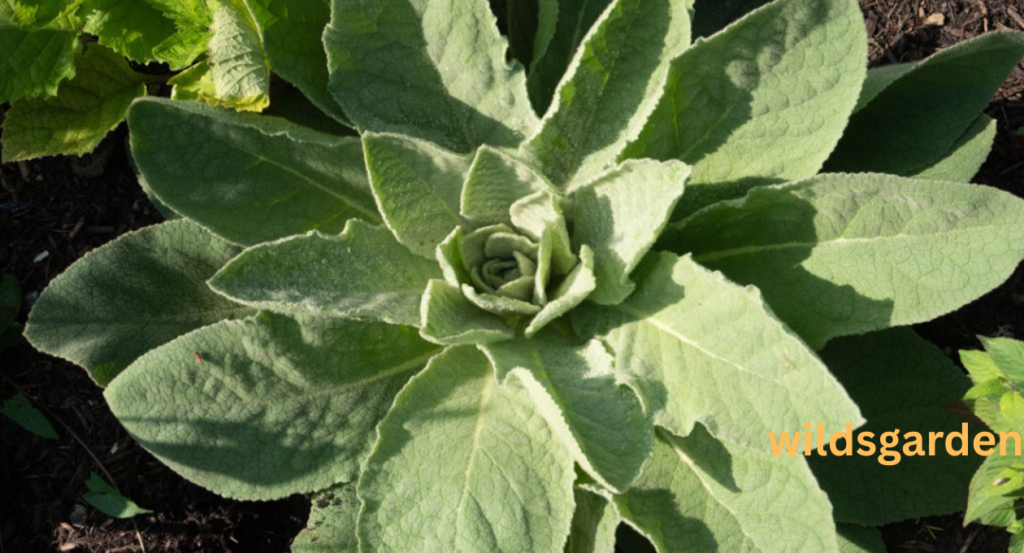
Before discussing look-alikes, it helps to understand mullein’s defining features. In its first year, mullein grows as a low rosette of large, oval, gray-green leaves covered in dense, velvety hairs. In the second year, it sends up a tall flowering stalk that can reach 5–8 feet, topped with small yellow flowers. The leaves feel soft and woolly, almost like flannel, which is one of the most reliable identification clues.
Lamb’s Ear (Stachys byzantina)
Lamb’s ear is one of the most commonly confused plants with mullein due to its fuzzy leaves. However, lamb’s ear is much smaller and stays low to the ground. Its leaves are softer, thicker, and more uniformly silver-gray than mullein’s. Lamb’s ear is also typically found in gardens rather than wild areas and does not produce a tall central stalk like mullein. The plant spreads outward instead of upward, which is a key difference.
Common Comfrey (Symphytum officinale)
Comfrey leaves can resemble mullein leaves in shape and size, especially when young. However, comfrey leaves are rough and bristly rather than soft and velvety. They are usually darker green and have a more pointed tip. Comfrey also produces drooping bell-shaped flowers in shades of purple, blue, or cream, unlike mullein’s upright yellow blooms. Touching the leaf surface is often enough to tell the two apart.
Foxglove (Digitalis purpurea)
Foxglove is another plant often mistaken for mullein during its rosette stage. Both plants form basal leaf clusters in their first year. The difference becomes clear once foxglove flowers: tall spikes of tubular, bell-shaped flowers that are usually pink, purple, or white. Unlike mullein, foxglove leaves are not woolly-soft and the plant is toxic, making proper identification especially important.
Great Burdock (Arctium lappa)
Great burdock can be confused with mullein due to its large leaves. However, burdock leaves are heart-shaped, greener, and lack the thick fuzz found on mullein. The underside of burdock leaves may be slightly hairy, but they are nowhere near as soft as mullein. Burdock also produces burr-like seed heads rather than tall yellow flower spikes.
Horehound (Marrubium vulgare)
Horehound has fuzzy leaves similar to mullein but grows much shorter and bushier. Its leaves are wrinkled and more rounded, and the plant has a square stem typical of the mint family. Horehound produces small white flowers in clusters around the stem rather than a single tall flowering spike.
Why Correct Identification Matters
While mullein itself is generally considered safe and widely used in traditional herbal practices, some look-alikes—such as foxglove—are toxic. Misidentification can lead to health risks, especially for foragers. Learning to recognize texture, growth habit, flower structure, and habitat will help prevent mistakes.
Mullein Look-Alikes Comparison Table
| Plant Name | Scientific Name | Resembles Mullein Because… | Key Differences from Mullein | Toxic? |
| Common Mullein (reference) | Verbascum thapsus | Large fuzzy leaves, tall flower spike | Thick woolly hairs; yellow 5-petaled flowers on a single tall spike | No |
| Lamb’s Ear | Stachys byzantina | Very soft, fuzzy gray leaves | Low-growing groundcover; no tall flower stalk like mullein | No |
| Velvetleaf | Abutilon theophrasti | Soft, fuzzy heart-shaped leaves | Leaves more heart-shaped; branching stems; yellow-orange hibiscus-like flowers | No (but not edible) |
| Foxglove | Digitalis purpurea | Rosette of fuzzy leaves in first year | Bell-shaped purple/pink flowers; highly toxic | Yes |
| Burdock | Arctium spp. | Large basal leaves | Leaves not fuzzy; underside whitish; produces burrs | No |
| Comfrey | Symphytum officinale | Large hairy leaves | Leaves are rough, not soft; drooping bell flowers (purple/cream) | Mildly toxic internally |
| Great Mullein Hybrid Species | Verbascum spp. | Similar fuzzy leaves and tall spikes | Flower colors may be white, pink, or purple | No |
| Hound’s Tongue | Cynoglossum officinale | Hairy leaves, rosette form | Narrower leaves; reddish-purple flowers; unpleasant odor | Yes |
| Sage (some species) | Salvia spp. | Gray-green fuzzy leaves | Strong aroma; square stems; smaller size | No |
Conclusion
Mullein is a distinctive plant once you become familiar with its soft, woolly leaves and tall yellow flower spike, but it can still be confusing when compared to similar-looking plants. Many mullein look-alikes share large leaves or fuzzy textures, especially during early growth stages. By focusing on key characteristics such as leaf feel, plant height, flower shape, and growth habit, you can reliably tell mullein apart from other species. Accurate identification is especially important for foragers and herbal users, as some look-alikes can be toxic. With patience, observation, and practice, recognizing true mullein becomes much easier and safer.
FAQs
What is the most common mullein look-alike?
Lamb’s ear is one of the most common mullein look-alikes due to its soft, fuzzy leaves. However, lamb’s ear is much smaller, grows close to the ground, and is usually found in cultivated gardens rather than wild areas.
How can I tell mullein apart from foxglove?
While both plants form rosettes in their first year, mullein leaves are thick, velvety, and gray-green, whereas foxglove leaves are thinner and less fuzzy. Foxglove also produces tubular, bell-shaped flowers and is toxic, making correct identification critical.
Is mullein safe if mistaken for another plant?
Mullein itself is generally considered safe when properly identified, but mistaking it for a toxic look-alike like foxglove can be dangerous. Never consume or use a plant unless you are 100% certain of its identity.
Does mullein have fuzzy leaves all year?
Yes, mullein leaves remain fuzzy throughout the plant’s life cycle. The dense, soft hairs on the leaves are one of its most reliable identification features.

