

Kale has become one of the most popular leafy greens in recent years, valued for its nutritional benefits and versatility in cooking. From smoothies and salads to soups and chips, kale is a staple in many households. However, recent months have seen a noticeable kale shortage, affecting grocery stores, restaurants, and consumers alike.
What Is Causing the Kale Shortage?
Several factors have contributed to the ongoing kale shortage. One of the primary reasons is unfavorable weather conditions. Kale is a cool-season crop, but extreme weather events such as unexpected heatwaves, heavy rainfall, and frost have disrupted growing cycles in major production regions. These conditions reduce crop yields and delay harvests.
Another major cause is supply chain disruption. Rising fuel costs, transportation delays, and labor shortages in the agricultural sector have made it harder for farmers to deliver fresh produce on time. In some areas, farmers have struggled to find enough workers to plant, harvest, and package kale efficiently.
Additionally, increased demand has played a role. As more people adopt plant-based diets and focus on healthy eating, kale consumption has surged. This spike in demand has put extra pressure on already strained supply systems, making shortages more noticeable.
Impact on Prices and Availability
One of the most immediate effects of the kale shortage is higher prices. When supply drops and demand remains strong, prices naturally rise. Consumers may notice that kale costs more than usual or is sold in smaller bunches.
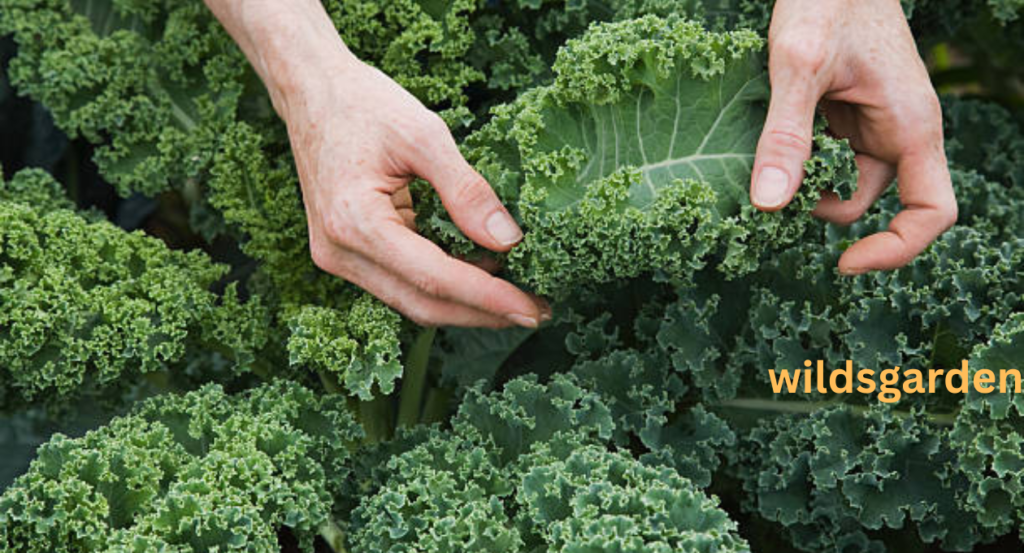
Availability has also become inconsistent. Some grocery stores may run out of kale quickly, while others may only stock certain varieties, such as curly kale instead of lacinato (dinosaur kale). Restaurants that rely heavily on kale for salads and health-focused menu items may be forced to adjust recipes or temporarily remove dishes.
How Farmers and Retailers Are Responding
Farmers are taking steps to reduce the impact of the shortage by investing in controlled growing environments, such as greenhouses and vertical farming systems. These methods help protect crops from extreme weather and allow for more consistent production throughout the year.
Retailers, on the other hand, are diversifying their suppliers. Instead of relying on a single region, many are sourcing kale from multiple locations to reduce risk. Some stores are also promoting alternative leafy greens to help balance demand.
Alternatives to Kale During the Shortage
If kale is hard to find or too expensive, there are several nutritious alternatives that can be used in similar ways:
- Spinach: Mild in flavor and rich in iron and vitamins.
- Swiss chard: Slightly sweeter and great for sautéing.
- Collard greens: A hearty option that works well in cooked dishes.
- Arugula: Peppery and ideal for salads and sandwiches.
These greens can substitute kale in most recipes without sacrificing nutrition.
What the Future Holds for Kale Supply
Experts believe the kale shortage is likely to be temporary, but recurring climate challenges may cause similar issues in the future. Sustainable farming practices, improved logistics, and local food production could help stabilize supply over time.
Consumers can also play a role by being flexible with their food choices and supporting local farmers when possible.
Conclusion
The kale shortage highlights the fragility of modern food supply chains and the impact of climate and labor challenges on everyday produce. While the shortage has led to higher prices and limited availability, practical alternatives and adaptive strategies offer solutions. By staying informed and open to substitutes, consumers can continue to enjoy healthy greens even during times of shortage.
faqs
1. Why is there a kale shortage?
The kale shortage is mainly caused by extreme weather conditions, supply chain disruptions, labor shortages, and increased demand for healthy leafy greens. These factors together have reduced overall kale production and availability.
2. Is the kale shortage affecting all regions?
No, the impact varies by region. Some areas experience more severe shortages due to local weather problems or transportation delays, while others may still have limited but steady supplies.
3. Has the price of kale increased due to the shortage?
Yes, in many markets kale prices have increased. Lower supply combined with steady or rising demand has pushed prices higher in grocery stores and farmers’ markets.
4. How long will the kale shortage last?
The shortage is expected to be temporary. However, ongoing climate challenges and labor issues could cause periodic shortages in the future.
5. Are organic kale supplies more affected?
In some cases, organic kale has been more affected because organic farming relies on stricter growing conditions and fewer pest-control options, making crops more vulnerable to weather stress.

