

Rice is one of the most widely consumed foods in the world. From Asia to Africa and from Europe to the Americas, rice appears on millions of plates every day. It is used in countless recipes such as biryani, fried rice, rice pudding, and pilaf. Because it is often cooked together with vegetables or served as part of vegetable-based meals, many people wonder: Is rice a vegetable? The simple answer is no. Rice is not a vegetable. However, understanding why requires a closer look at how foods are classified in both botany and nutrition.
What Exactly Is Rice?
Rice is classified as a grain, more specifically a cereal grain. It comes from the seeds of grass plants belonging to the species Oryza sativa and Oryza glaberrima. These plants are cultivated in flooded fields called rice paddies, where they grow tall before producing small edible grains at the top.
Once harvested, the outer husk of the grain is removed to produce brown rice. If the bran layer is also removed, the result is white rice, which is the type most commonly consumed around the world. Since rice is the seed of a grass plant, it belongs to the grain family alongside wheat, barley, oats, and corn.
What Makes Something a Vegetable?
Vegetables come from different edible parts of plants. These parts include roots, stems, leaves, flowers, or bulbs. For example:
- Carrots and radishes are roots
- Spinach and lettuce are leaves
- Broccoli and cauliflower are flowers
- Celery is a stem
- Onions are bulbs
Vegetables typically come from a wide range of plant families and are valued for their vitamins, minerals, antioxidants, and fiber. Since rice is a seed rather than a root, leaf, or stem, it does not meet the botanical definition of a vegetable.
Why People Sometimes Think Rice Is a Vegetable
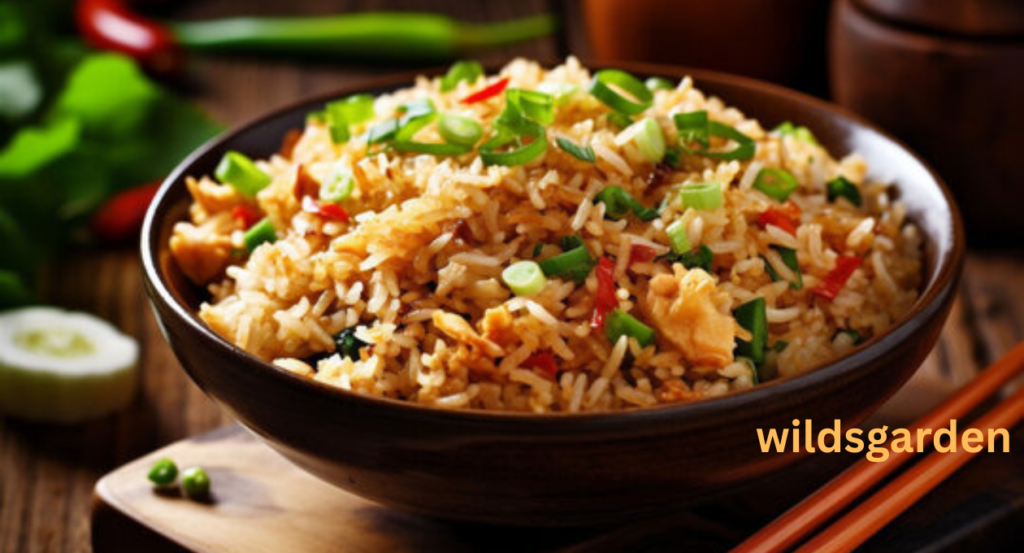
The confusion about rice often comes from how it appears in meals. Rice is commonly mixed with vegetables in dishes like vegetable fried rice, rice pilaf, or vegetable biryani. When rice is cooked alongside carrots, peas, beans, or peppers, it can seem like it belongs to the same category.
Another reason for the confusion is that rice grows in green fields that may resemble vegetable farms. However, unlike vegetables where the edible portion is the plant itself, the edible part of rice is the grain produced by the plant.
In most meals, rice actually serves as the main carbohydrate source, similar to foods like bread, pasta, or potatoes. Vegetables are usually added for flavor, nutrition, and color, while rice provides energy and substance to the dish.
Nutritional Role of Rice
Rice is an important source of energy because it is rich in carbohydrates. It provides fuel for the body and is easy to digest, which is one reason it is a staple food for billions of people.
Brown rice contains fiber, vitamins such as B vitamins, and minerals like magnesium and phosphorus. White rice, while lower in fiber, is still a valuable source of energy and is often enriched with additional nutrients in many countries.
Vegetables, on the other hand, are typically lower in calories but higher in vitamins, antioxidants, and fiber. This difference highlights why grains and vegetables play different but complementary roles in a balanced diet.
The Cultural Importance of Rice
Rice is not just a food item; it holds cultural and historical significance in many parts of the world. It has been cultivated for thousands of years and remains a central part of diets in countries like China, India, Indonesia, Thailand, and Japan.
In many cultures, rice symbolizes prosperity, nourishment, and tradition. It is used in festivals, ceremonies, and family meals. Its versatility allows it to be steamed, fried, boiled, or turned into flour for noodles and desserts.
Conclusion
Although rice is often served with vegetables and sometimes mistaken for one, it is not a vegetable. Rice is a cereal grain, harvested from the seeds of grass plants. Vegetables come from other plant parts such as roots, leaves, stems, or flowers, which clearly separates them from grains like rice.
Understanding this distinction helps us better appreciate how different foods contribute to our diets. While vegetables provide essential vitamins and minerals, rice offers energy and nourishment that support daily life. Together, they form the foundation of many delicious and balanced meals enjoyed around the world.
Faqs
1. Is rice considered a vegetable?
No, rice is not a vegetable. It is classified as a cereal grain because it comes from the seeds of a grass plant called Oryza. Vegetables usually come from other plant parts such as roots, leaves, stems, or flowers.
2. Why do some people think rice is a vegetable?
Many people think rice might be a vegetable because it is often cooked with vegetables in dishes like vegetable fried rice, biryani, or rice pilaf. However, rice actually serves as the main carbohydrate in these meals rather than being part of the vegetable group.
3. What food group does rice belong to?
Rice belongs to the grain group, specifically cereal grains. Other foods in this category include wheat, barley, oats, corn, and rye.
4. Is rice healthy to eat?
Yes, rice can be part of a healthy diet. It provides energy through carbohydrates. Brown rice also contains fiber, vitamins, and minerals, while white rice is easy to digest and often enriched with nutrients.
5. Is rice a seed or a plant?
Rice is actually the seed of a grass plant. The rice plant grows in fields, and the grains that form at the top of the plant are harvested and processed to become the rice we eat.

