

Strawberries are one of the most popular fruits grown in home gardens and commercial farms. While strawberry plants can self-pollinate, proper pollination is essential for producing large, well-shaped, and flavorful berries. Poor pollination often results in small or misshapen strawberries. Understanding How to Pollinate Strawberries works and how to support it can significantly improve your harvest.
Strawberry Pollination
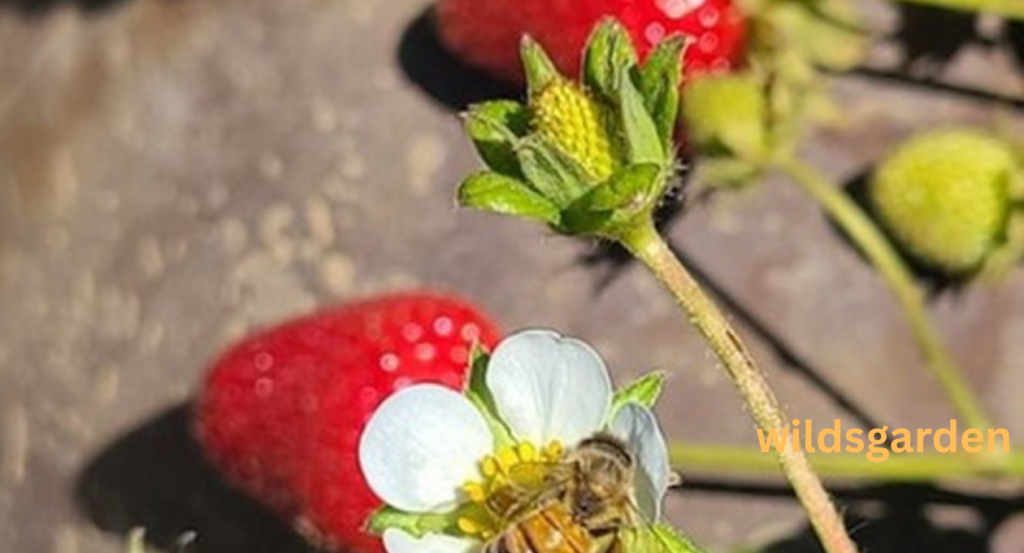
Strawberry flowers contain both male and female parts, which means they can self-pollinate. However, each strawberry flower has many tiny pistils, and each one must be pollinated to form a fully developed fruit. If some pistils are not pollinated, the result is a deformed or uneven berry.
Natural pollination is usually carried out by insects such as bees, butterflies, and other pollinators. Wind can also help slightly, but insects are the most effective pollinators for strawberries.
Importance of Proper Pollination
Good pollination ensures uniform fruit development, better size, and higher yields. Well-pollinated strawberries are sweeter, juicier, and more visually appealing. In contrast, poor pollination leads to misshapen fruits with hard or underdeveloped areas.
For gardeners growing strawberries indoors, in greenhouses, or in areas with low pollinator activity, manual pollination becomes especially important.
Natural Ways to Improve Strawberry Pollination
One of the best ways to encourage strawberry pollination is by attracting pollinators. Planting flowers such as marigolds, lavender, and sunflowers nearby helps attract bees and other beneficial insects. Avoid using chemical pesticides, especially during flowering, as they can harm pollinators.
Providing a water source and creating a pollinator-friendly garden environment also increases insect activity, leading to better natural pollination.
How to Hand Pollinate Strawberries
Hand pollination is an effective method when natural pollination is limited. To hand pollinate strawberries, start by identifying fully open flowers. The best time to pollinate is during the morning when pollen is most viable.
Use a soft paintbrush, cotton swab, or small makeup brush. Gently brush the center of the flower to collect pollen from the yellow anthers. Then lightly touch the brush to all parts of the flower’s center, ensuring pollen reaches every pistil. Repeat this process for each flower.
Hand pollination should be done every day or every other day while flowers are blooming to ensure successful fertilization.
Pollinating Strawberries in Greenhouses and Indoors
Strawberries grown in greenhouses or indoor environments often lack natural pollinators. In such cases, hand pollination is highly recommended. Some commercial growers introduce bumblebees into greenhouses, as they are effective strawberry pollinators.
For small-scale growers, gently shaking the plants can also help distribute pollen, though it is less effective than hand pollination.
Common Pollination Problems and Solutions
One common problem is low pollinator activity, often caused by cold, rainy, or windy weather. During such conditions, manual pollination is the best solution.
Another issue is uneven fruit development, which indicates incomplete pollination. Ensuring that every flower is thoroughly pollinated helps prevent this problem. Regular monitoring of flowers during the blooming period is key to success.
Tips for Successful Strawberry Pollination
Healthy plants produce better flowers and pollen. Make sure strawberries receive enough sunlight, water, and nutrients. Avoid overwatering, as excessive moisture can damage flowers and reduce pollen viability.
Proper spacing between plants improves airflow and makes flowers more accessible to pollinators. Regularly remove damaged or diseased flowers to encourage healthy new blooms.
Conclusion
Pollinating strawberries properly is essential for producing high-quality fruit. While strawberry plants can self-pollinate, natural pollinators or hand pollination significantly improve fruit size and shape. By creating a pollinator-friendly environment or using simple hand-pollination techniques, gardeners can enjoy a healthier and more abundant strawberry harvest.
faqs
1. Do strawberries need pollination to produce fruit?
Yes, strawberries need pollination for proper fruit development. While they can self-pollinate, good pollination ensures larger, well-shaped berries.
2. Can strawberries self-pollinate?
Yes, strawberry flowers contain both male and female parts and can self-pollinate. However, insect activity or hand pollination improves fruit quality and yield.
3. What happens if strawberries are not properly pollinated?
Poor pollination results in small, misshapen, or uneven strawberries with hard or undeveloped areas.
4. Which insects pollinate strawberries?
Bees are the main pollinators of strawberries. Butterflies and other beneficial insects also help with pollination.
5. How do I hand pollinate strawberry flowers?
Use a soft paintbrush or cotton swab to gently transfer pollen from the anthers to the center of each open flower, making sure all pistils receive pollen.

