

Guava is a popular tropical fruit known for its sweet aroma, refreshing taste, and impressive nutritional value. Scientifically called Psidium guajava, guava fruit is widely grown in tropical and subtropical regions around the world, including Asia, Africa, and Latin America. Thanks to its health benefits, versatility, and affordability, guava is often referred to as a natural superfood.
What Is Guava?
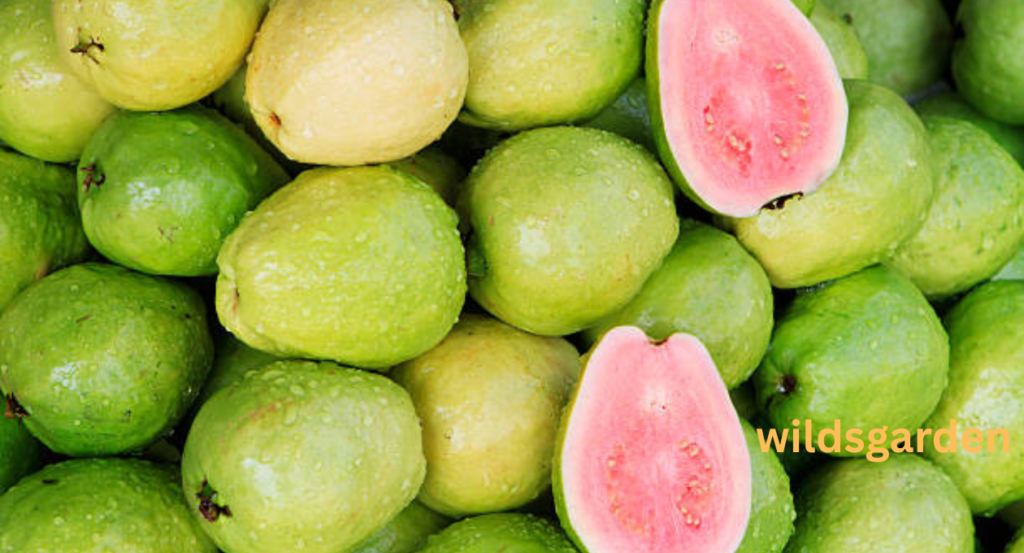
Guava is a small to medium-sized fruit with green or yellow skin and flesh that can be white, pink, or red depending on the variety. The fruit contains edible seeds at its center and has a unique flavor that ranges from mildly sweet to tangy. Guava can be eaten raw, juiced, cooked, or used in jams, desserts, and sauces.
Guava trees are hardy and fast-growing, making them a favorite among farmers and home gardeners. They thrive in warm climates and produce fruit multiple times a year under the right conditions.
Nutritional Value of Guava
Guava is packed with essential nutrients that support overall health. One of its most notable qualities is its extremely high vitamin C content. In fact, guava contains more vitamin C than oranges, helping strengthen the immune system and protect the body from infections.
In addition to vitamin C, guava is rich in dietary fiber, potassium, vitamin A, and antioxidants. It is low in calories and fat, making it an excellent choice for people looking to maintain a healthy diet. The fiber in guava supports digestion, while antioxidants help fight free radicals that cause cell damage.
Health Benefits of Guava
Guava offers a wide range of health benefits when consumed regularly. Its high fiber content promotes healthy digestion and helps prevent constipation. Fiber also plays a role in managing blood sugar levels, making guava beneficial for people with diabetes when eaten in moderation.
The antioxidants in guava, including lycopene and flavonoids, may help reduce inflammation and lower the risk of chronic diseases such as heart disease. Potassium in guava supports heart health by helping regulate blood pressure.
Guava is also beneficial for skin health. Vitamins A and C contribute to collagen production, which keeps the skin firm and youthful. Some people even use guava leaf extracts for hair and skin treatments.
Uses of Guava in Food and Drinks
Guava is a versatile fruit used in many culinary applications. Fresh guava can be eaten on its own or sprinkled with salt and spices for extra flavor. Guava juice and smoothies are popular for their refreshing taste and nutritional value.
Guava is commonly used to make jams, jellies, candies, and desserts. In some cultures, guava is cooked into sauces or used in savory dishes. Guava leaves are also used to prepare herbal teas, which are believed to support digestion and gut health.
How to Choose and Store Guava
When buying guava, look for fruits that are slightly soft to the touch and have a pleasant aroma. Avoid guavas with bruises or dark spots. Ripe guava can be stored at room temperature for a short time, but refrigeration helps extend its freshness.
Unripe guavas can be left at room temperature to ripen naturally. Once cut, guava should be stored in an airtight container in the refrigerator and consumed within a few days.
Conclusion
Guava is more than just a tasty tropical fruit—it is a powerhouse of nutrition and health benefits. From boosting immunity and digestion to supporting heart and skin health, guava deserves a regular place in a balanced diet. Whether eaten fresh, juiced, or cooked, guava is a delicious and healthy choice for people of all ages.
faqs
1. Is guava good for health?
Yes, guava is very good for health. It is rich in vitamin C, fiber, and antioxidants, which help boost immunity, improve digestion, and support overall well-being.
2. Can guava help with digestion?
Guava supports healthy digestion due to its high fiber content. It helps prevent constipation and promotes regular bowel movements when eaten in moderation.
3. Is guava good for diabetes?
Guava can be beneficial for people with diabetes because it has a low glycemic index and high fiber content. However, portion control is important to avoid blood sugar spikes.
4. Can we eat guava seeds?
Yes, guava seeds are edible and safe to consume. They also contain fiber, but eating too many seeds at once may cause digestive discomfort for some people.
5. Is guava good for weight loss?
Guava is low in calories and high in fiber, making it a good fruit for weight management. It helps you feel full for longer and reduces unhealthy snacking.

