

Grapes are one of the most recognizable fruits in the world, loved for their small size, juicy texture, and ability to grow in tight clusters. Interestingly, grapes are not the only fruits that share this distinctive appearance. Nature offers several fascinating fruits that closely resemble grapes in size, shape, or clustering pattern, often leading to confusion at first glance. Some of these fruits taste similar to grapes, while others are completely different in flavor and use. In this blog, we’ll explore fruits that look like grapes, where they grow, how they taste, and what makes each one unique.
Why Do Some Fruits Look Like Grapes?
Many fruits resemble grapes because of similar growth habits. Clustered fruits are common in nature because this structure helps plants maximize space, attract animals for seed dispersal, and protect developing fruit. Small, round fruits are also more likely to be mistaken for grapes, especially when they grow in bunches on vines or trees. However, despite the visual similarity, these fruits often belong to entirely different plant families.
Muscadine Grapes
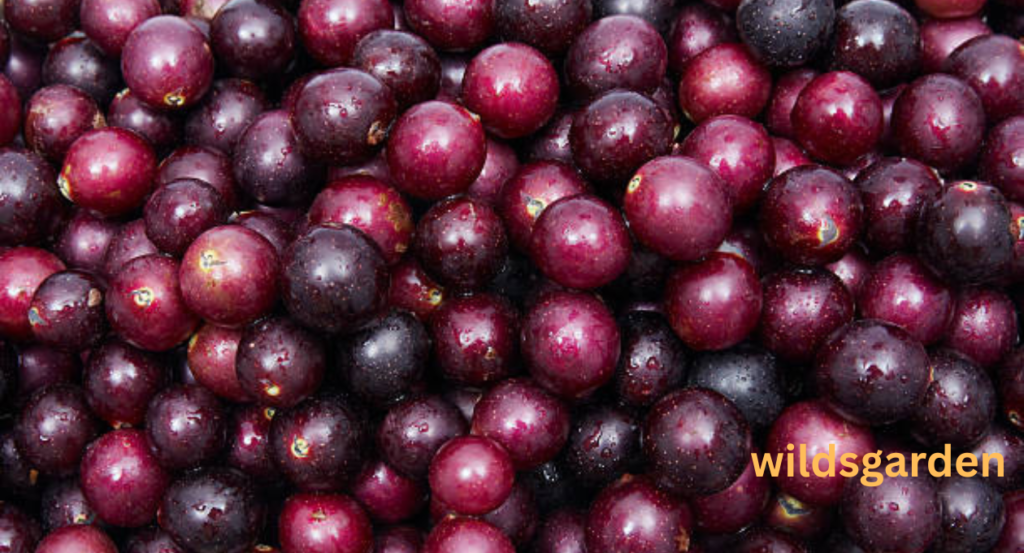
Muscadine grapes are technically grapes, but they look quite different from the common table grapes found in grocery stores. Native to the southeastern United States, muscadines are larger, rounder, and usually grow in looser clusters. Their thick skins and bold flavors make them stand out.
Unlike typical grapes, muscadines are often bronze, dark purple, or nearly black. They are commonly used to make wine, jelly, and juice. While they are clearly grapes, their appearance sometimes leads people to think they are a different fruit altogether.
Jabuticaba
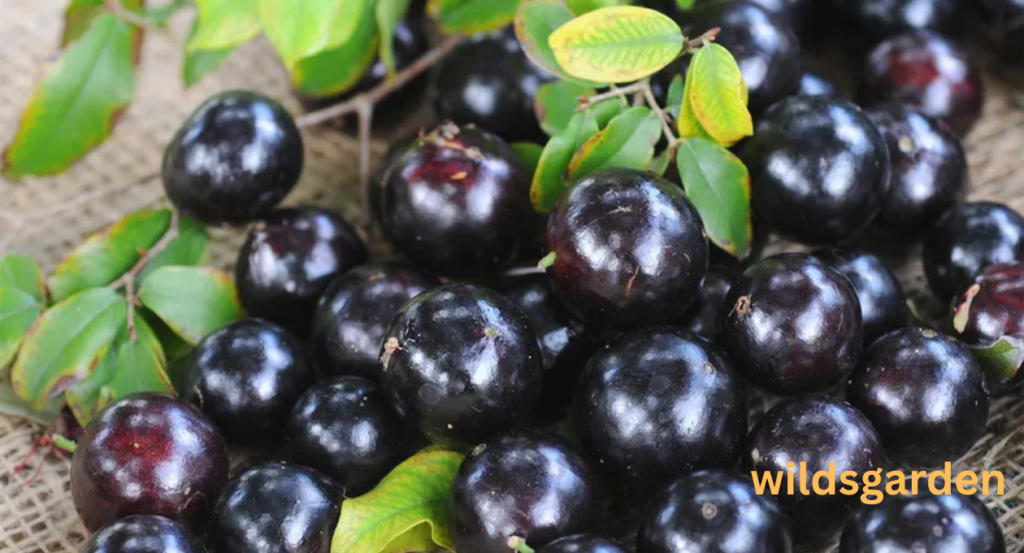
Jabuticaba is one of the most striking grape look-alike fruits in the world. Native to Brazil, this fruit grows directly on the trunk and large branches of the tree, a rare phenomenon known as cauliflory. Jabuticaba fruits are small, round, and deep purple, making them look almost identical to dark grapes.
Inside, jabuticaba has translucent, juicy pulp with a sweet-tart flavor similar to grapes, but slightly more floral. The fruit is often eaten fresh or used to make jams, wines, and liqueurs. Its unusual growth pattern makes it visually unforgettable.
Currants
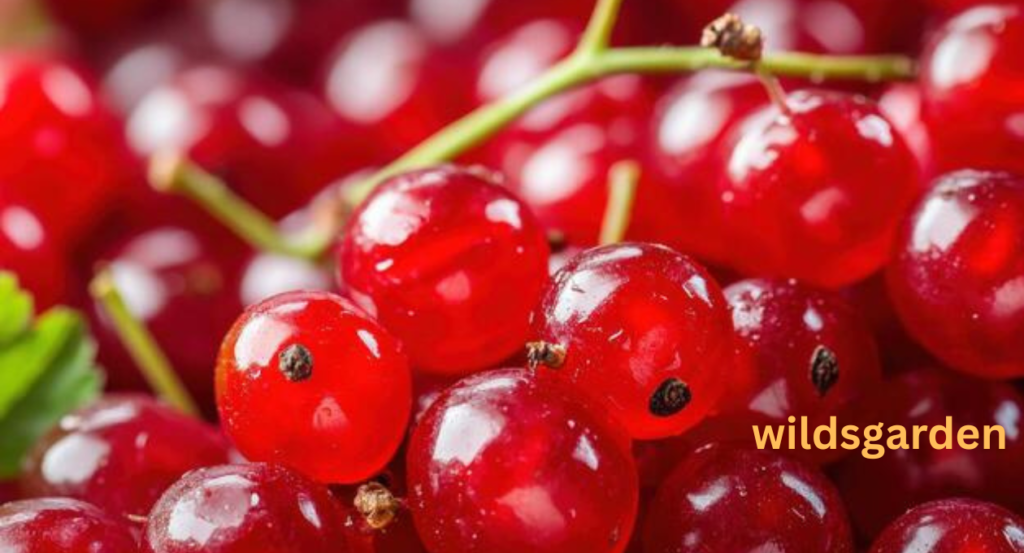
Currants are small berries that closely resemble tiny grapes, especially when growing in long, dangling clusters. They come in red, black, and white varieties and are widely grown in Europe and parts of Asia.
Red currants are bright and glossy, while black currants are darker and slightly larger. Their taste is more tart than grapes, which makes them popular for jams, sauces, and desserts rather than fresh snacking. At a quick glance, a bunch of currants can easily be mistaken for miniature grape clusters.
Gooseberries
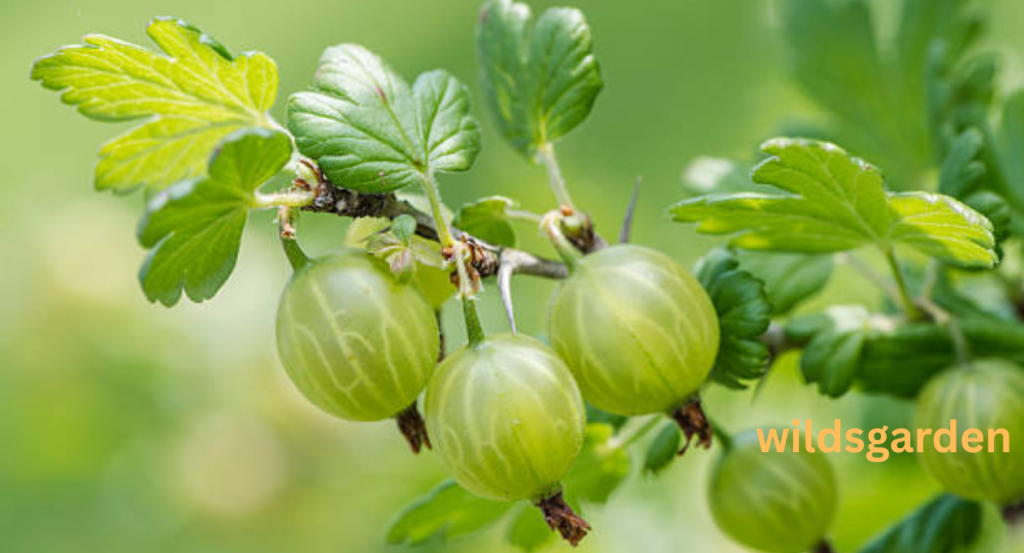
Gooseberries are closely related to currants and also share a grape-like appearance. They are round, smooth, and often green or purple when ripe. Some varieties even have faint stripes, similar to certain grape skins.
Although gooseberries resemble grapes visually, their flavor is usually more tangy and complex. They are commonly used in pies, chutneys, and preserves. When growing on the bush, gooseberries can strongly resemble grapes hanging from a vine.
Sea Grapes
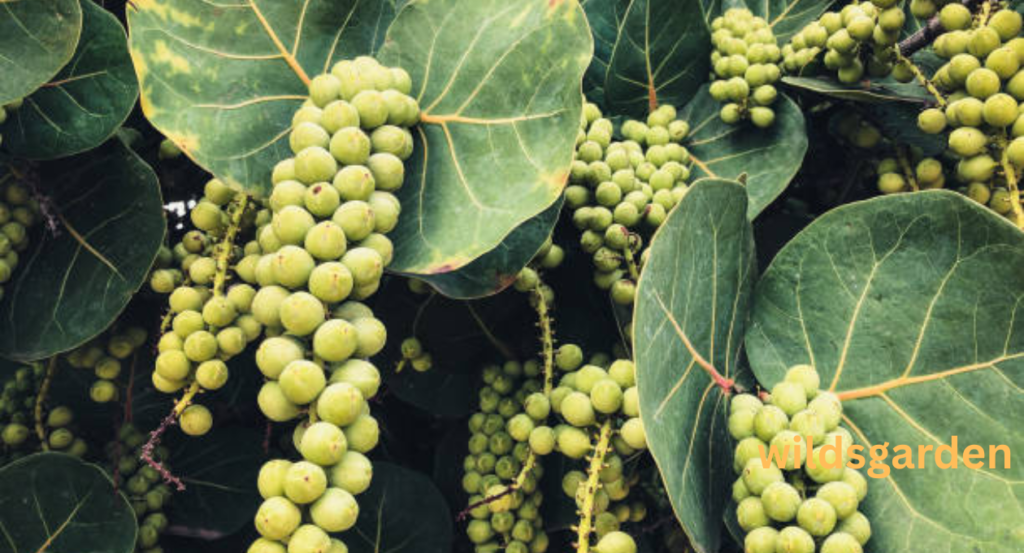
Sea grapes are not traditional fruits in the culinary sense, but they look remarkably similar to grapes. They are a type of edible green algae found in tropical coastal regions, especially in Southeast Asia and the Pacific Islands.
Sea grapes grow in clusters of tiny green bubbles attached to thin stems, closely mimicking the appearance of green grapes. They have a salty, briny flavor and are often eaten fresh in salads or as a side dish. Despite their grape-like look, they offer a completely different eating experience.
Elderberries
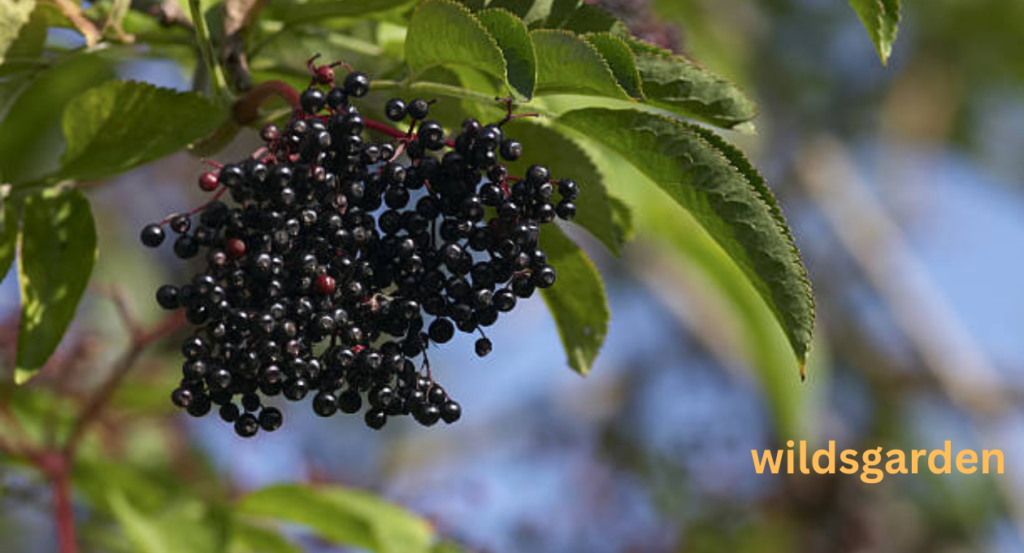
Elderberries are small, dark berries that grow in large, drooping clusters, making them resemble bunches of grapes from a distance. They are commonly found in Europe and North America.
While elderberries look similar to grapes, they are not typically eaten raw due to their bitterness and potential toxicity when unripe. Instead, they are cooked into syrups, jams, and herbal remedies. Their deep purple color and clustered growth make them one of the closest grape look-alikes.
Oregon Grape
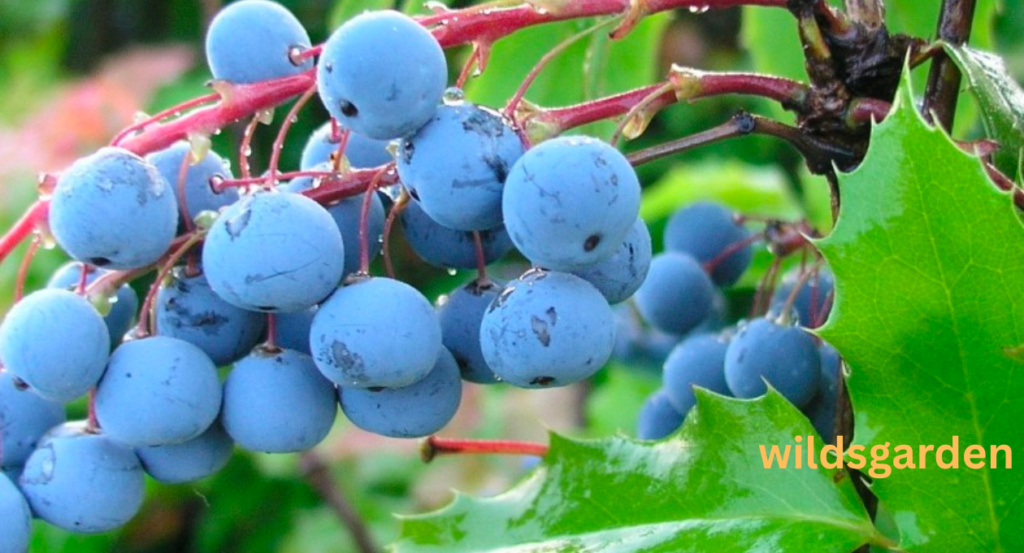
Oregon grape is another fruit that looks like grapes but is botanically unrelated. Native to North America, Oregon grape produces small, dark blue berries that grow in grape-like clusters.
These berries are more sour than grapes and are mainly used for making jelly and wine. The plant itself is a shrub rather than a vine, but the fruit’s appearance often leads to confusion among foragers and gardeners.
Serviceberries
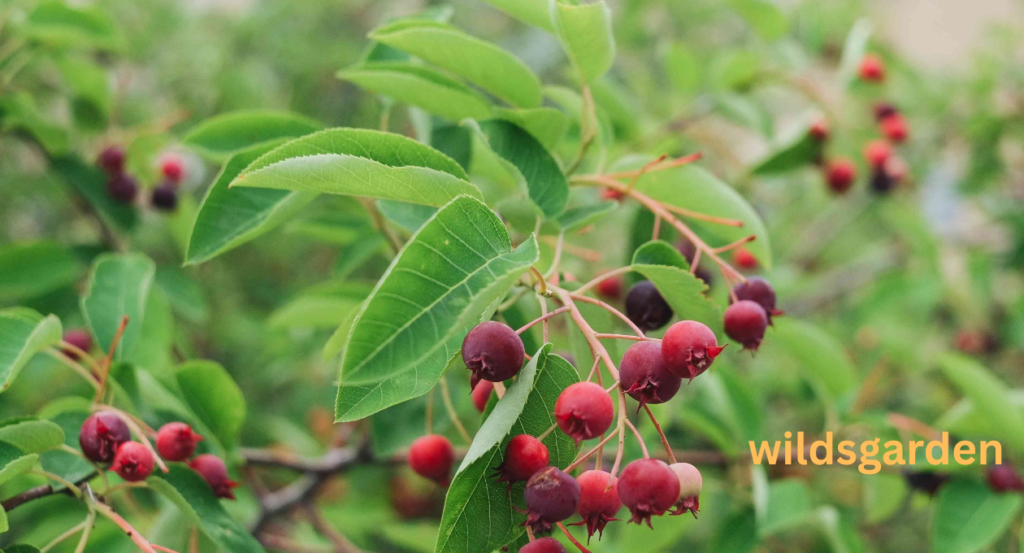
Serviceberries, also known as juneberries, resemble blueberries but can also look like grapes when growing in clusters. They range in color from red to deep purple and have a sweet, mild flavor.
Although slightly larger than grapes, their clustered arrangement and smooth skins give them a grape-like appearance. Serviceberries are enjoyed fresh, dried, or baked into desserts.
Conclusion
Nature is full of surprises, and fruits that look like grapes are a perfect example of how diverse plant life can be. From tropical jabuticaba to tart currants and even sea grapes from the ocean, these grape look-alikes vary widely in taste, origin, and use. While they may share a similar appearance, each fruit has its own unique story and culinary value. Exploring these fruits not only broadens your knowledge but also opens the door to new flavors and experiences beyond traditional grapes.
faqs
1. What fruits look the most like grapes?
Jabuticaba, currants, elderberries, and Oregon grapes look the most like grapes due to their small, round shape and clustered growth. Jabuticaba is often considered the closest visual match.
2. Are jabuticaba and grapes related?
No, jabuticaba and grapes are not closely related botanically. Despite their similar appearance and somewhat similar taste, they come from different plant families.
3. Do all grape-like fruits taste like grapes?
Not at all. While some, like jabuticaba, have a grape-like flavor, others such as currants, gooseberries, and elderberries are much more tart or earthy in taste.
4. Are sea grapes actually a fruit?
Sea grapes are not true fruits. They are a type of edible algae that resemble grapes in appearance but have a salty, ocean-like flavor.
5. Can grape look-alike fruits be eaten raw?
Some can be eaten raw, such as jabuticaba, currants, and serviceberries. Others, like elderberries, should be cooked before consumption.

