

Oranges are among the most popular fruits worldwide, loved for their bright color, refreshing taste, and high vitamin C content. Their vibrant orange skin and juicy interior make them instantly recognizable. However, there are several other fruit that look like orange, either in color, shape, or texture. Exploring these lookalikes can introduce you to new flavors and varieties, as well as expand your fruit knowledge.
1. Tangerines
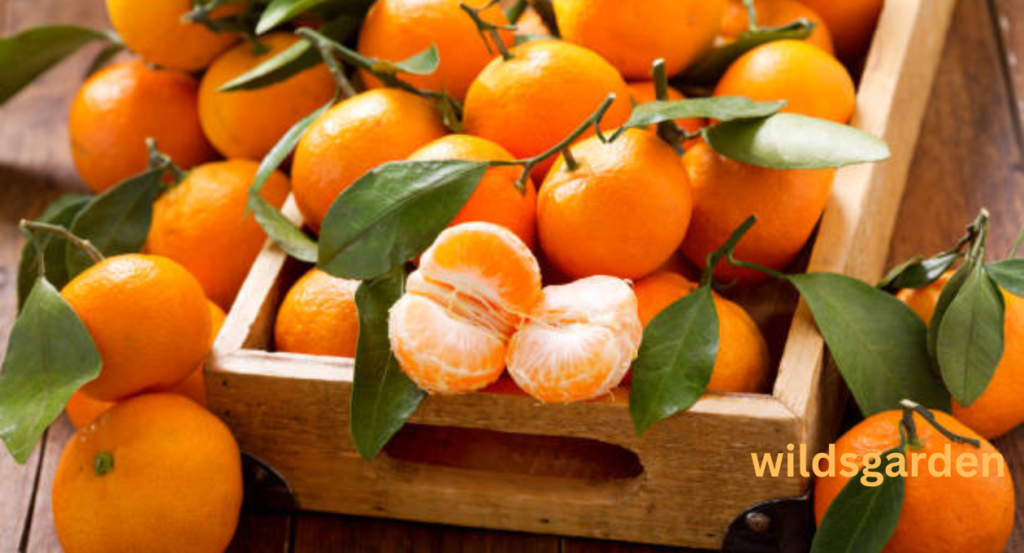
Tangerines are perhaps the closest lookalike to oranges. They are smaller and slightly flatter in shape but share the same bright orange skin. Tangerines are easy to peel, making them a convenient snack. They tend to be sweeter and less acidic than regular oranges, making them popular for children and those who prefer milder citrus flavors.
2. Mandarins
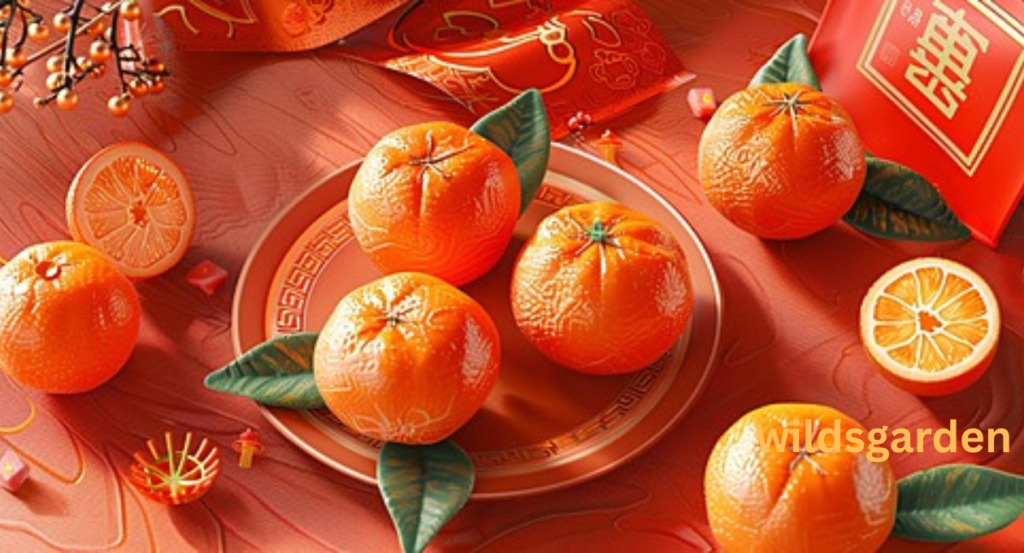
Mandarins are another close cousin of the orange. Their skin is thinner and looser, which makes peeling effortless. Mandarins are often seedless and very sweet, perfect for snacking or adding to salads. They come in different varieties, including Clementines and Satsumas, each with subtle differences in taste and texture.
3. Kumquats
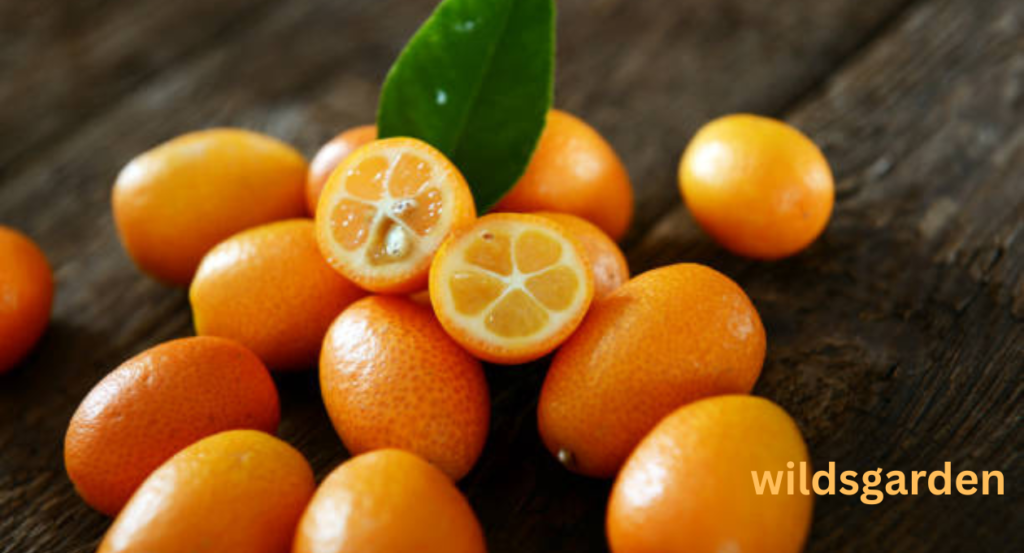
Kumquats are small, oval-shaped fruits with bright orange skin, resembling miniature oranges. Unlike most citrus fruits, kumquats are eaten whole, including the skin, which is sweet, while the pulp inside is tart. This combination of flavors makes them unique and popular in marmalades, salads, and even as garnishes in beverages.
4. Loquats
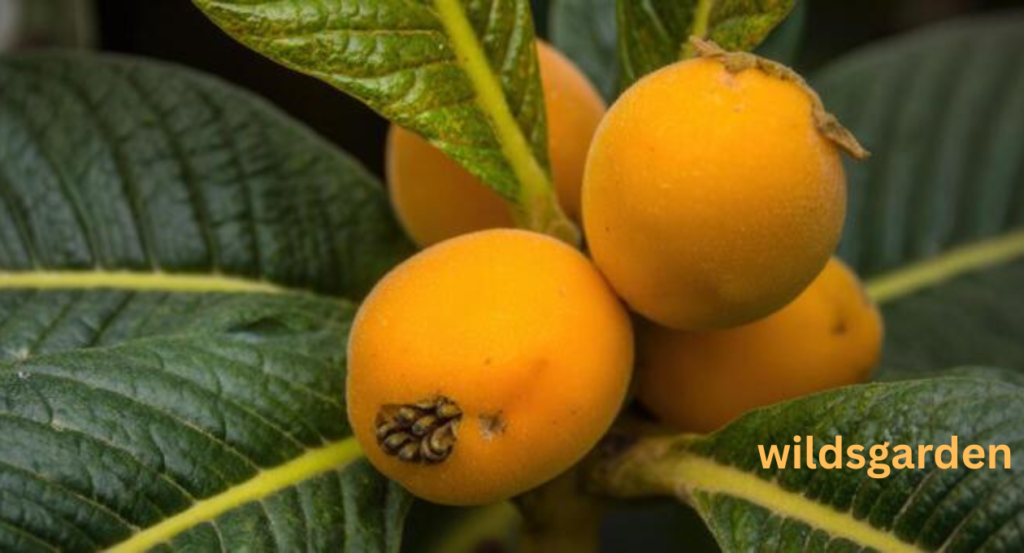
Loquats are small, round fruits with a yellowish-orange skin. While they are slightly softer and less vibrant than oranges, their shape and color can easily cause confusion at first glance. Loquats are sweet with a hint of tanginess and are often used in jams, jellies, and desserts. They are rich in vitamin A, fiber, and antioxidants.
5. Persimmons
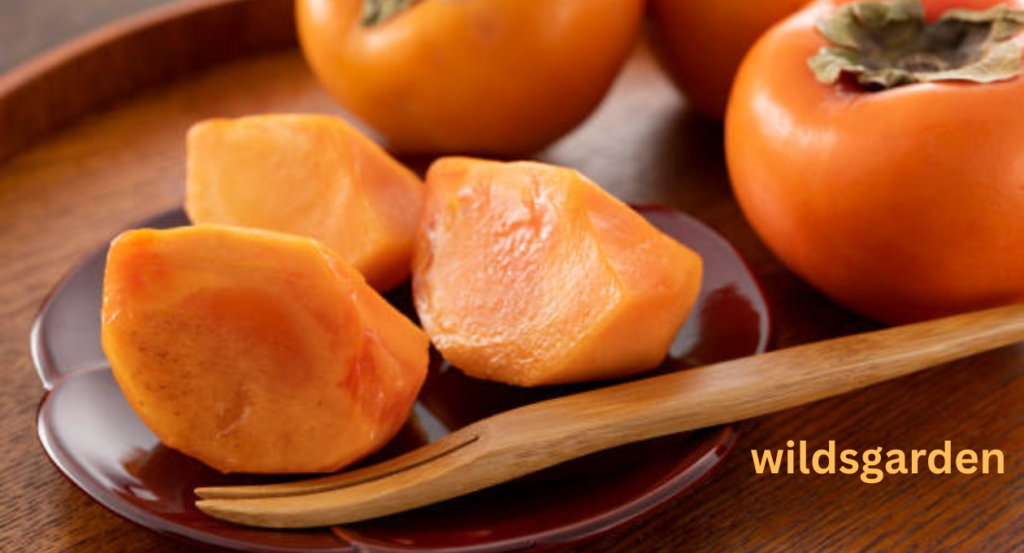
Some varieties of persimmons, especially the Fuyu type, have a bright orange skin and a round, plump shape similar to small oranges. Persimmons are sweet and slightly tangy when fully ripe. They are versatile, eaten fresh, dried, or cooked into desserts. While not citrus fruits, their appearance can be reminiscent of oranges in certain contexts.
6. Cara Cara Oranges
Cara Cara oranges are a type of navel orange with an orange exterior, just like regular oranges. The difference lies inside: their flesh is pinkish-red, giving them a unique twist. They are sweet, low in acidity, and packed with vitamins and antioxidants. Cara Cara oranges are perfect for fresh eating, juicing, and garnishing dishes.

7. Calamondins
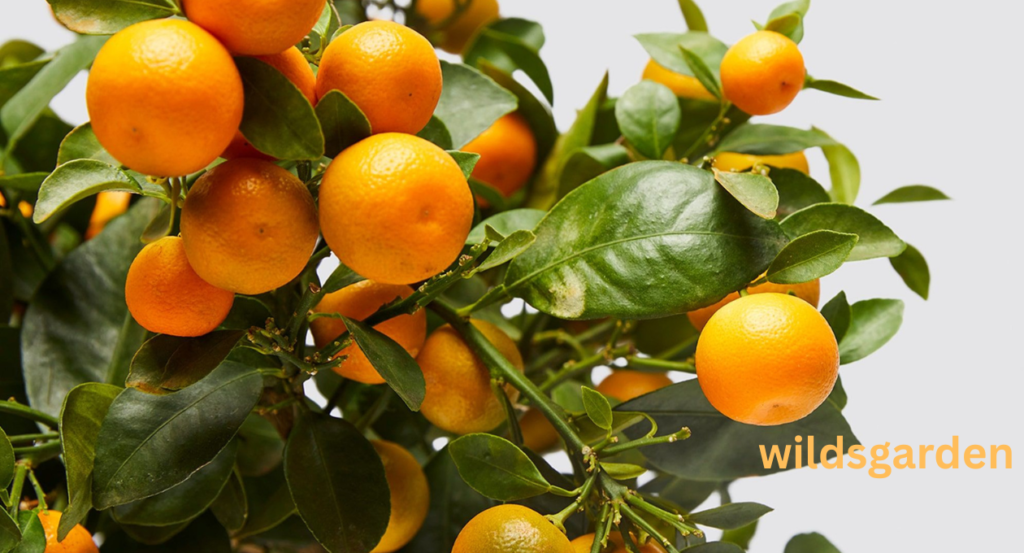
Calamondins are tiny citrus fruits that resemble miniature oranges. Often used in Asian cuisine, they are highly acidic and sour, making them ideal for cooking, marinades, and beverages. While not commonly eaten fresh due to their tartness, their bright orange appearance makes them visually similar to small oranges.
Why Explore Orange Lookalikes?
Exploring fruits that look like oranges is not only fun but also beneficial. These fruits offer a range of flavors—from sweet to tangy—and come packed with vitamins, antioxidants, and dietary fiber. Trying different orange-like fruits can diversify your diet, introduce new recipes, and help you discover seasonal specialties that are not always found in supermarkets.
Tips for Selecting Orange-Like Fruits
- Check firmness: Fruits like tangerines and mandarins should feel firm but slightly soft to the touch.
- Observe the skin: Bright, evenly colored skin usually indicates ripeness and sweetness.
- Smell the aroma: Citrus fruits often emit a fresh, fragrant scent when ripe.
- Consider the variety: Some fruits, like kumquats or calamondins, are naturally more sour, so plan how you want to use them.
Conclusion
While oranges are a classic favorite, nature offers a fascinating variety of fruits that look similar yet provide different tastes and textures. From sweet mandarins and tangy kumquats to unique persimmons and cara cara oranges, these citrus lookalikes are worth exploring. Incorporating them into your diet not only adds flavor and color but also enhances nutrition, making fruit consumption a fun and healthy experience.
1. What fruits look like oranges?
Fruits that look like oranges include tangerines, mandarins, kumquats, loquats, persimmons, Cara Cara oranges, and calamondins. They share similar round or oval shapes and bright orange skin.
2. Are these orange-like fruits sweet?
Many are sweet, such as mandarins, tangerines, and persimmons, while some, like kumquats and calamondins, are tart or sour.
3. Can kumquats be eaten like regular oranges?
Yes, kumquats are eaten whole, including the skin, which is sweet, while the inside is tart.
4. What is the difference between mandarins and oranges?
Mandarins are smaller, easier to peel, often seedless, and generally sweeter than regular oranges.
5. Are loquats citrus fruits?
No, loquats are not citrus fruits, but they have a similar yellow-orange appearance and sweet-tangy flavor.

