

Pears are instantly recognizable because of their classic bell-shaped body, narrow top, wider base, and smooth skin. Their gentle sweetness and juicy texture make them a favorite fruit worldwide. However, fruit that looks like a pear are not the only fruits with this distinctive shape and appearance. Several other fruits closely resemble pears, either in form, color, or texture, and are often mistaken for them at first glance.
Asian Pear: The Crisp Cousin of Traditional Pears
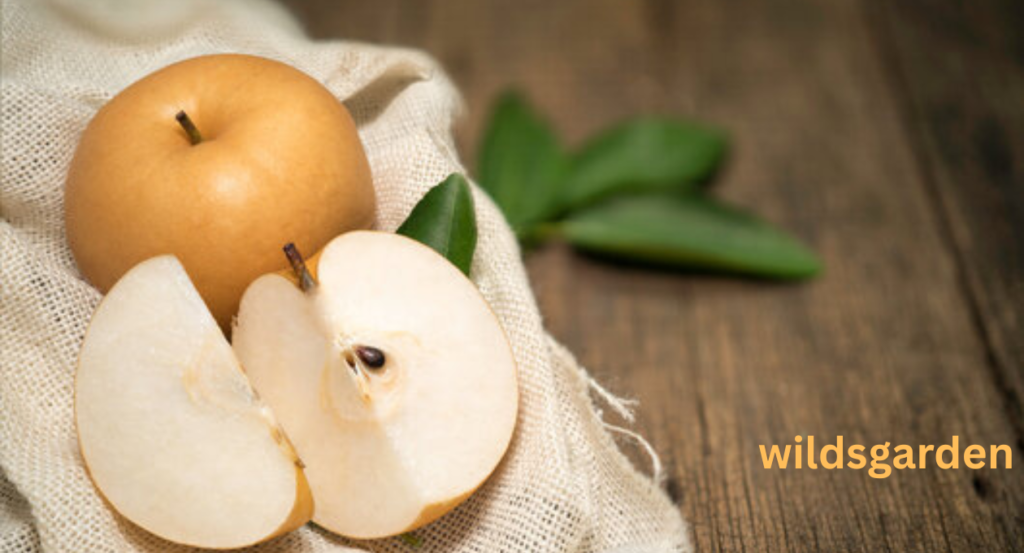
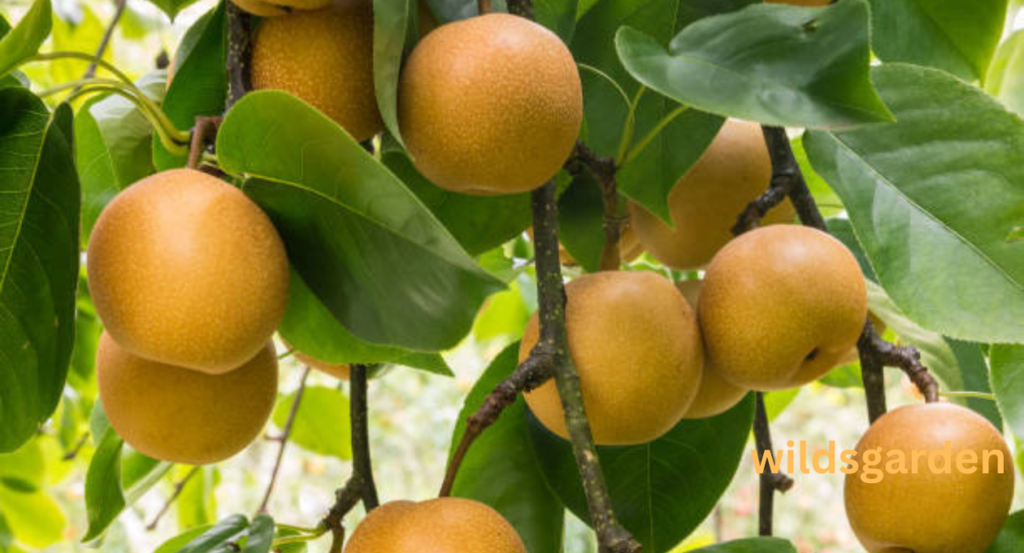
Asian pears are one of the most common fruits mistaken for regular pears. While they are rounder than European pears, many varieties still share the same smooth skin and pale yellow or light brown color.
Unlike traditional pears, Asian pears are crisp like apples and remain firm even when fully ripe. Their sweet, refreshing taste and pear-like aroma make them a popular choice in salads and fresh snacks. Visually, their color and skin texture strongly resemble pears, especially varieties with a golden hue.
Nashi Pear: A Pear That Looks Like an Apple
Nashi pears, often grouped with Asian pears, are another fruit that looks very similar to a pear. They typically have light yellow to tan skin and a subtle speckled texture.
Although their shape is more rounded, their skin, stem, and internal structure closely resemble pears. Nashi pears are juicy, mildly sweet, and crunchy, offering a refreshing alternative to soft European pears while maintaining a familiar pear-like look.
Quince: A Pear-Shaped Ancient Fruit
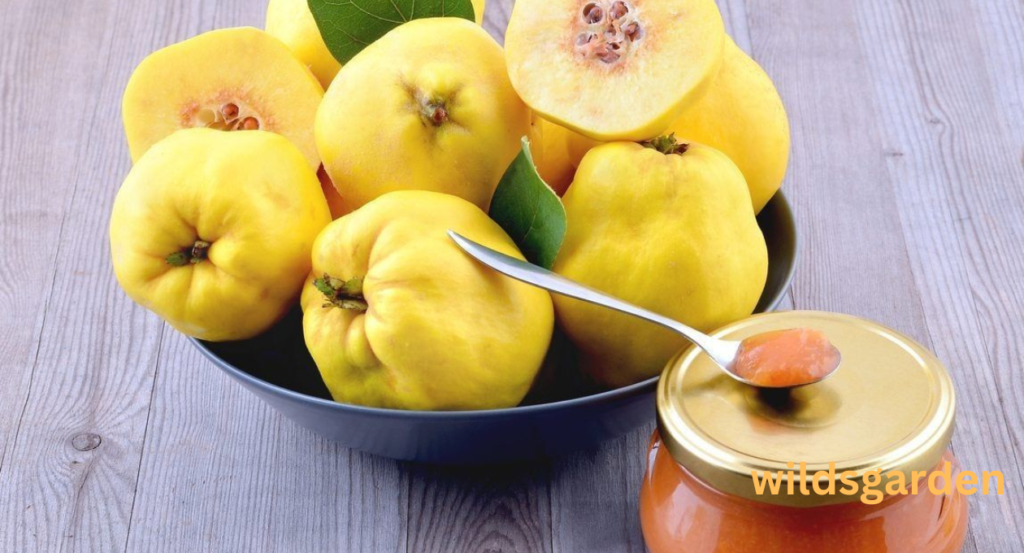
Quince is a lesser-known fruit that strongly resembles a pear, especially when ripe. It has a similar shape, size, and yellow color, making it easy to confuse the two.
However, quince is much firmer and cannot usually be eaten raw. Its aroma is fragrant, and once cooked, quince develops a sweet, floral flavor. For centuries, quince has been used in jams, jellies, and desserts. Its pear-like appearance and shared family background explain the strong resemblance.
Guava: A Tropical Fruit with a Pear-Like Shape
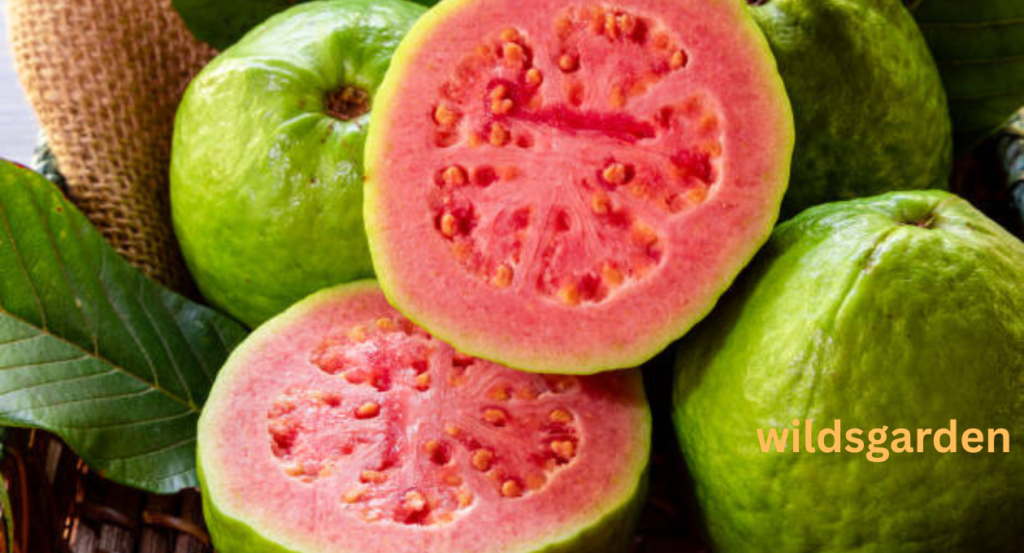
Some varieties of guava look surprisingly similar to pears. They often have a rounded base, narrower top, and smooth green or yellow skin.
Although guava’s internal flesh and flavor are very different, its outer shape can easily remind people of a pear. Guava is known for its tropical sweetness and rich vitamin C content, making it both visually familiar and nutritionally powerful.
Avocado: A Pear Look-Alike with a Savory Twist
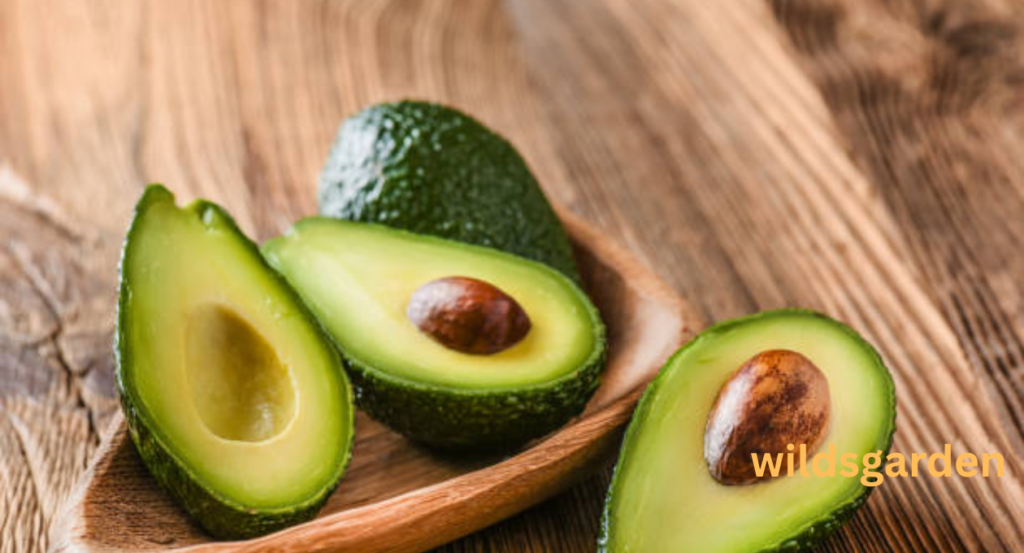
Avocados are commonly described as pear-shaped, especially popular varieties like Hass or Fuerte. Their elongated top and wider base closely match the classic pear silhouette.
While avocados differ greatly in taste and texture, their shape and size make them one of the most recognizable pear look-alikes. Instead of sweetness, avocados offer a creamy, buttery texture used in savory dishes such as salads, sandwiches, and dips.
Chayote: The Vegetable That Looks Like a Pear
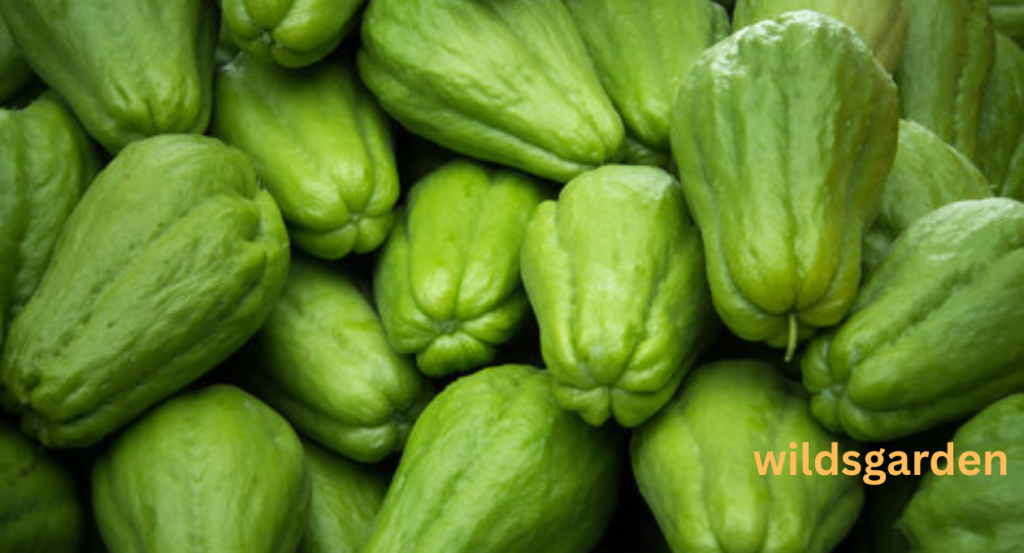
Although technically a vegetable, chayote closely resembles a pear in shape and color. It has smooth, light green skin and a tapered top.
Chayote is mild in flavor and often used in cooked dishes, soups, and salads. Its pear-like appearance often leads people to mistake it for a fruit, especially in markets where it is displayed alongside produce.
Why Do So Many Fruits Look Like Pears?
Many pear-like fruits share similar growing patterns and belong to related plant families. The pear shape is efficient for fruit development, allowing nutrients to distribute evenly. Over time, nature and cultivation have produced multiple fruits with this familiar form.
Conclusion
Pears may be unique in flavor, but their shape is widely shared across many fruits and even some vegetables. Asian pears, quince, guava, avocado, and chayote all resemble pears in different ways, each offering its own taste, texture, and culinary use. Exploring these pear look-alike fruits not only adds variety to your diet but also helps you appreciate the fascinating diversity found in nature’s produce.
faqs
1. Which fruit looks most like a pear?
Asian pears and quince look the most like traditional pears because of their similar color, skin texture, and overall shape.
2. Are Asian pears the same as regular pears?
No, Asian pears are a different variety. They are usually rounder and much crispier, while regular pears are softer and become juicy as they ripen.
3. Is quince edible like a pear?
Quince is edible, but it is usually too hard and sour to eat raw. It is commonly cooked to bring out its sweet and aromatic flavor.
4. Why does avocado look like a pear?
Avocados naturally grow in a pear-like shape, with a narrow top and wider base, which is why they are often called pear-shaped fruits.
5. Does guava taste like a pear?
No, guava has a distinct tropical flavor. While some guava varieties look like pears on the outside, their taste and texture are quite different.

