

Crunchy fruits are loved for their satisfying texture, refreshing bite, and natural sweetness. Unlike soft or mushy fruits, crunchy fruits provide a crisp snap when bitten into, making them enjoyable as snacks and excellent additions to meals. These fruits are not only delicious but also packed with essential nutrients that support overall health.
What Makes a Fruit Crunchy?
The crunchiness of fruit comes from its cell structure and water content. Fruits with firm cell walls and high water levels tend to be crisp and crunchy. Freshness also plays a key role—many fruits lose their crunch as they ripen or when stored for long periods. Climate, variety, and harvesting time all influence how crunchy a fruit feels when eaten.
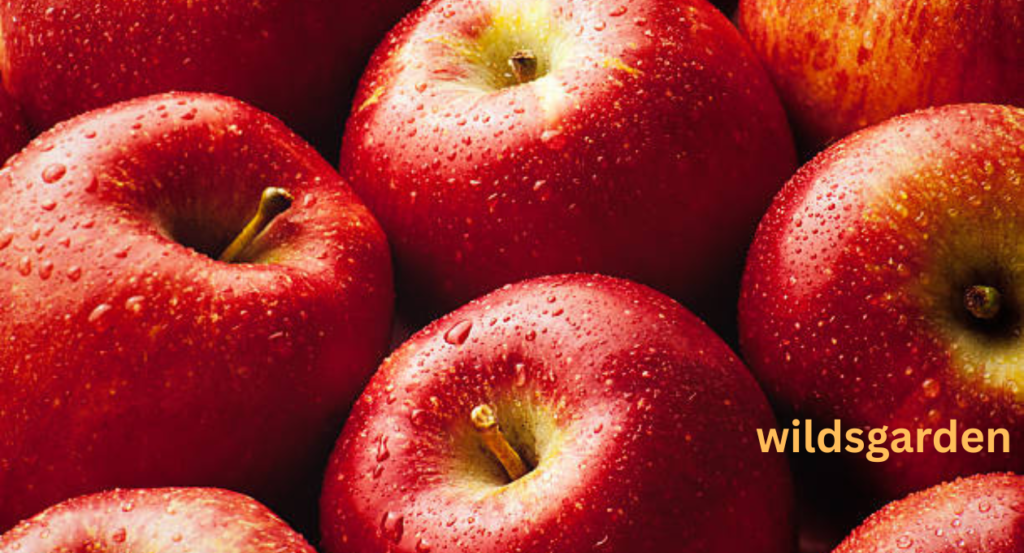
Apples: The Classic Crunch
Apples are among the most popular crunchy fruits worldwide. Their firm flesh and juicy texture create a perfect balance of sweetness and tartness. Varieties like Granny Smith, Fuji, and Honeycrisp are especially known for their crunch. Apples are rich in fiber, vitamin C, and antioxidants, making them a healthy everyday snack.
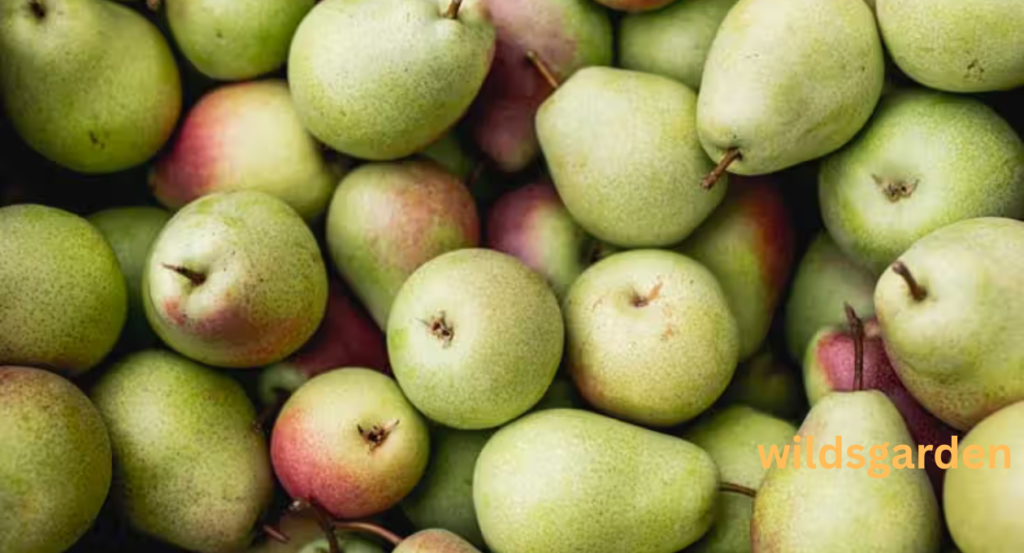
Pears: Crisp and Refreshing
While some pears are soft when ripe, many varieties are crunchy when eaten slightly firm. Asian pears, in particular, are famous for their crisp texture and juicy bite. Pears contain fiber and essential nutrients that support digestion and heart health.
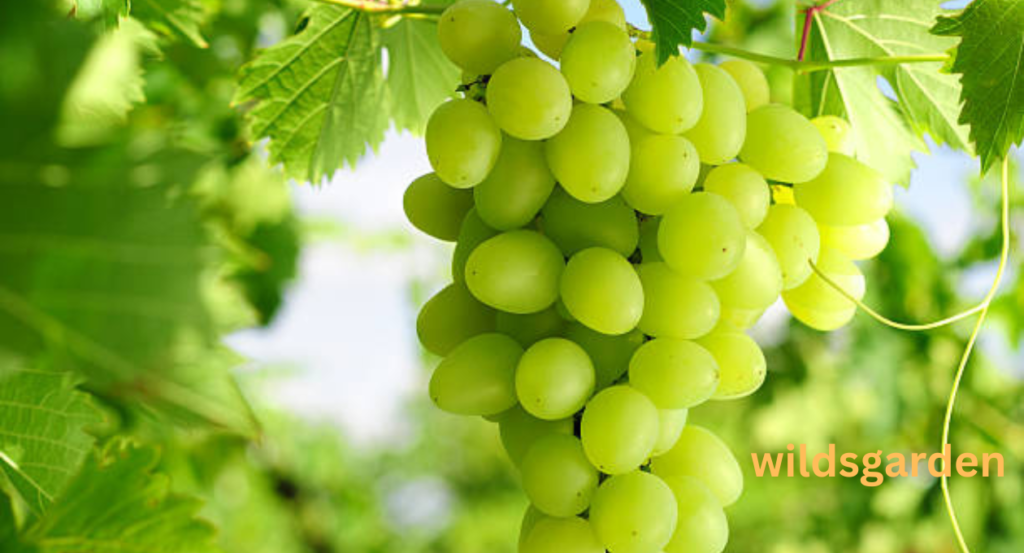
Grapes: Small but Snappy
Fresh grapes offer a delightful crunch, especially when chilled. Their thin skin and juicy interior make them refreshing and easy to eat. Grapes are rich in antioxidants like resveratrol, which may help protect heart health and reduce inflammation.
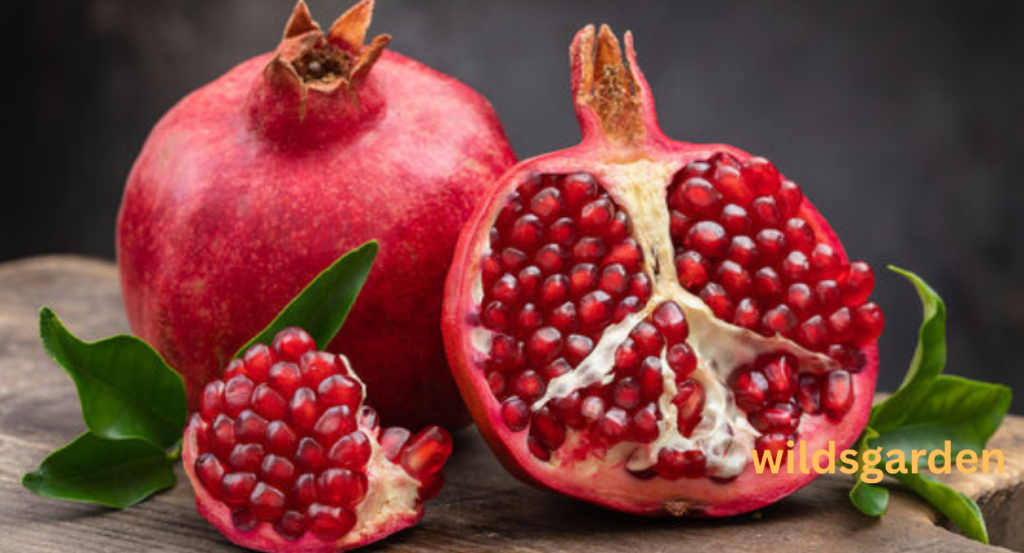
Pomegranate Seeds: Crunchy Jewels
Pomegranate arils (seeds) are tiny but packed with crunch. Each bite releases sweet-tart juice along with a firm texture. These seeds are rich in antioxidants, vitamins, and minerals, making them a nutritious topping for salads, yogurt, and desserts.
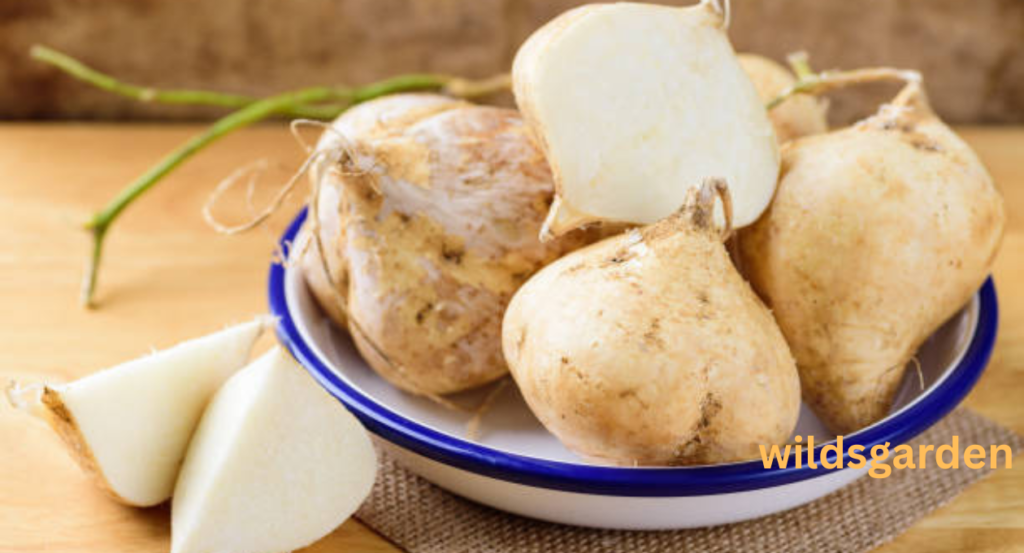
Jicama: A Unique Crunchy Fruit
Jicama is often treated like a vegetable but is botanically a fruit. It has a crisp, apple-like texture and a mildly sweet flavor. Jicama is low in calories, high in fiber, and commonly eaten raw in salads or with spices and lemon juice.
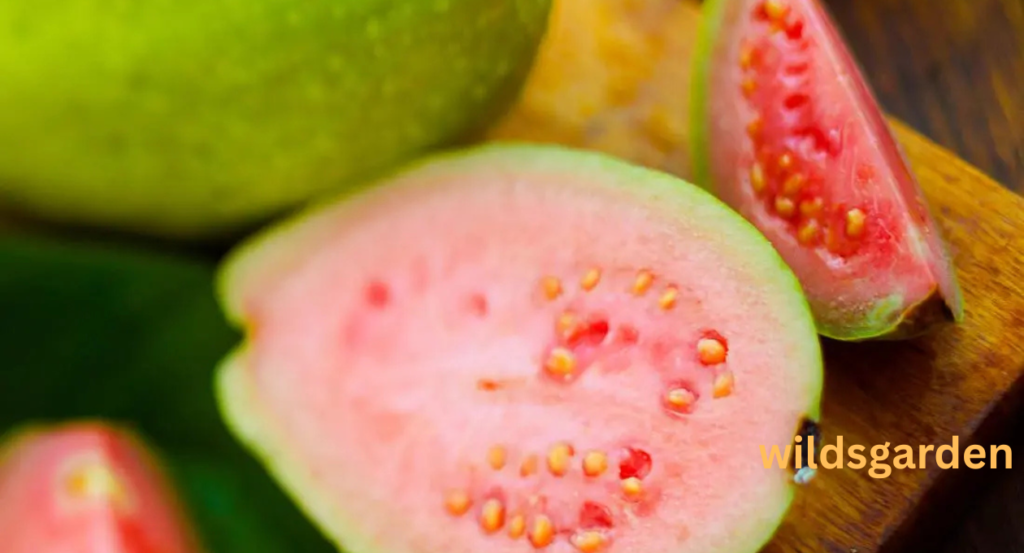
Guava: Crunchy with Seeds
Guava offers a unique crunch due to its edible seeds. While the flesh itself can be soft, the seeds add a crunchy element that many people enjoy. Guava is extremely rich in vitamin C and supports immune health.
Benefits of Eating Crunchy Fruits
Crunchy fruits provide several health benefits. They help improve digestion due to their fiber content, support oral health by stimulating saliva production, and promote fullness, which can aid in weight management. Chewing crunchy fruits also makes eating more satisfying and enjoyable.
Best Ways to Enjoy Crunchy Fruits
Crunchy fruits can be eaten fresh, sliced into salads, blended lightly into smoothies, or paired with dips like yogurt or nut butter. Keeping fruits properly stored and eating them fresh helps maintain their crisp texture.
Conclusion
Crunchy fruits combine great taste, refreshing texture, and impressive nutrition. From apples and pears to grapes and pomegranate seeds, these fruits add excitement and health benefits to your daily diet. Including a variety of crunchy fruits ensures you enjoy different flavors while supporting overall wellness. Whether eaten as a snack or part of a meal, crunchy fruits are a delicious way to stay healthy.
Faqs
1. What are crunchy fruits?
Crunchy fruits are fruits with a firm, crisp texture that make a snapping or crunchy sound when bitten. They usually have high water content and strong cell structure.
2. Which fruits are the crunchiest?
Some of the crunchiest fruits include apples, Asian pears, grapes, pomegranate seeds, jicama, and firm guava.
3. Are crunchy fruits healthier than soft fruits?
Both crunchy and soft fruits are healthy. Crunchy fruits often contain more fiber and water, which can help with digestion and fullness.
4. Why do fruits lose their crunch?
Fruits lose their crunch as they ripen, dehydrate, or are stored for long periods. Temperature, humidity, and handling also affect texture.
5. Are crunchy fruits good for weight loss?
Yes, crunchy fruits can support weight loss because they are filling, low in calories, and require more chewing, which helps control appetite.
Crunchy Fruits Fresh Juicy and Perfectly Crisp Choices

