

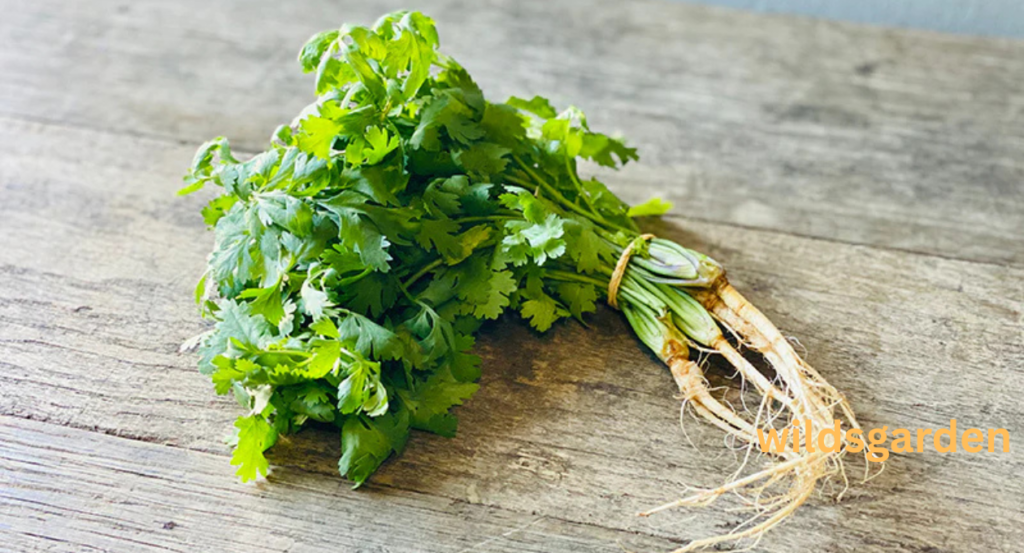
Cilantro, also known as coriander leaves, is a staple herb in many cuisines around the world. It is widely used in Asian, Latin American, Middle Eastern, and South Asian cooking for its fresh flavor and aroma. Recently, many consumers and food businesses have experienced a cilantro shortage, leading to reduced availability and higher prices. This shortage is the result of several environmental, agricultural, and economic factors that affect both production and distribution.
Climate Change and Extreme Weather Conditions
Cilantro is a delicate herb that grows best in cool to mild temperatures. Extreme heat, sudden frost, heavy rainfall, and drought can quickly damage crops. Climate change has increased the frequency of unpredictable weather patterns, making it difficult for farmers to maintain stable cilantro production. Heat stress, in particular, causes cilantro to bolt quickly, reducing leaf quality and overall yield.
Seasonal Growing Limits
Cilantro is highly seasonal in many regions. During hot summer months or colder winter periods, outdoor cultivation becomes challenging. When seasonal transitions are combined with unfavorable weather, supply drops sharply. Although greenhouse cultivation can extend growing seasons, it is more expensive and not widely used for cilantro, contributing to ongoing shortages.
Agricultural Challenges and Rising Input Costs
Growing cilantro requires consistent watering, pest management, and frequent harvesting. Rising costs of seeds, fertilizers, water, and pesticides have increased production expenses for farmers. As profit margins shrink, some growers choose to reduce cilantro planting or shift to other crops that are less sensitive and more profitable. This reduction directly impacts market supply.
Labor Shortages in Herb Farming
Cilantro harvesting is labor-intensive and often done by hand to preserve freshness and quality. Many agricultural regions are facing labor shortages due to migration, urbanization, and competition from other industries. Without sufficient workers, farmers may leave crops unharvested or delay harvesting, resulting in lower-quality produce and reduced supply.
Supply Chain and Transportation Issues
Cilantro is highly perishable and has a short shelf life. It requires quick harvesting, proper cooling, and fast transportation to reach markets in good condition. Supply chain disruptions, higher fuel costs, and limited cold storage facilities can cause spoilage during transport. Even small delays can significantly reduce the amount of cilantro that reaches consumers.
Increasing Global Demand
Global demand for cilantro has grown steadily due to the popularity of fresh, flavorful, and plant-based foods. Restaurants, street food vendors, and home cooks all rely heavily on fresh cilantro. The rise of international cuisines and fresh garnish trends has further increased consumption. When demand continues to rise while supply struggles, shortages become more frequent and noticeable.
Impact on Consumers and Food Businesses
The cilantro shortage affects households, restaurants, and food manufacturers. Consumers may find fresh cilantro unavailable or priced higher than usual at grocery stores. Restaurants may reduce portion sizes, adjust recipes, or substitute alternative herbs. Food producers using cilantro in sauces, salsas, and ready-to-eat meals may also face increased costs.
Future Outlook and Possible Solutions
To address cilantro shortages, farmers and researchers are exploring heat-tolerant varieties, improved irrigation systems, and controlled-environment farming. Better supply chain management and expanded cold storage can also help reduce spoilage. While these solutions may improve stability, occasional shortages are likely to continue due to climate variability and strong demand.
Conclusion
The cilantro shortage is driven by climate change, seasonal limitations, rising farming costs, labor shortages, supply chain challenges, and increasing global demand. These combined factors reduce availability and increase prices. Understanding the reasons behind the shortage helps consumers and businesses adapt and plan while highlighting the complexity of modern food production systems.
faqs
Q1: Why is there a cilantro shortage?
The cilantro shortage is caused by climate change, extreme weather, seasonal growing limits, rising farming costs, labor shortages, supply chain disruptions, and increasing global demand.
Q2: Is cilantro the same as coriander?
Yes, cilantro refers to the fresh leaves of the coriander plant, while coriander usually refers to the seeds. Shortages mainly affect the fresh leaves.
Q3: How does weather affect cilantro production?
Cilantro is sensitive to heat and cold. High temperatures cause it to bolt quickly, while frost and heavy rain can damage crops, reducing yield and quality.
Q4: Why has the price of fresh cilantro increased?
Prices have increased due to limited supply, higher production and transportation costs, and strong demand from households and food businesses.
Q5: Are dried cilantro or coriander seeds affected by the shortage?
Dried cilantro and coriander seeds are generally less affected because they have a longer shelf life, but prolonged fresh shortages can still influence their prices.

