

Cauliflower is a staple vegetable in many households around the world, valued for its versatility, nutritional benefits, and affordability. However, in recent times, many regions have experienced a noticeable cauliflower shortage. This shortage has led to rising prices, limited availability in markets, and concerns among consumers, farmers, and food businesses alike. Understanding the reasons behind the cauliflower shortage and its broader impact can help people better adapt to the situation.
What Is Cauliflower and Why Is It Important?
Cauliflower belongs to the cruciferous vegetable family, along with broccoli, cabbage, and kale. It is rich in vitamins C and K, fiber, and antioxidants, making it a popular choice for health-conscious consumers. Cauliflower is also widely used in vegetarian and low-carb diets as a substitute for rice, flour, and even meat. Because of its widespread culinary use, any disruption in cauliflower supply quickly affects both households and commercial kitchens.
Main Causes of the Cauliflower Shortage
One of the primary causes of the cauliflower shortage is adverse weather conditions. Cauliflower is sensitive to temperature changes, excessive rainfall, frost, and drought. Unpredictable weather patterns, often linked to climate change, have damaged crops in key growing regions, reducing overall yield.
Another major factor is rising production costs. Farmers are facing higher prices for seeds, fertilizers, fuel, and labor. In some cases, growers choose to plant fewer cauliflower crops or switch to more profitable alternatives, leading to reduced supply in the market.
Supply chain disruptions have also played a role. Transportation delays, fuel shortages, and logistical challenges can prevent cauliflower from reaching markets on time. In developing countries, poor storage facilities can cause significant post-harvest losses, further worsening the shortage.
Impact on Consumers and Markets
The most immediate effect of the cauliflower shortage is higher prices. When supply drops and demand remains steady, market prices increase. For low-income households, this can make cauliflower less accessible as an everyday vegetable.
Restaurants and food businesses are also affected. Many rely on cauliflower for popular dishes such as curries, soups, roasted sides, and plant-based alternatives. A shortage forces them to either raise menu prices, reduce portion sizes, or temporarily remove cauliflower-based dishes.
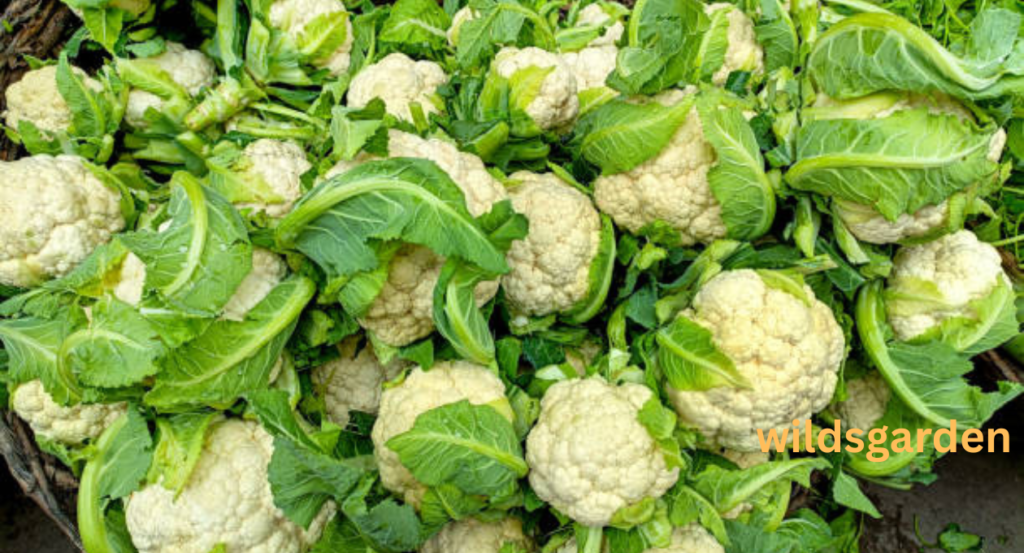
In local markets, consumers may notice inconsistent quality as well. Smaller or imperfect cauliflowers may appear more frequently as sellers try to make the most of limited supply.
Effects on Farmers and Agriculture
While higher prices may seem beneficial to farmers, the situation is often more complex. Crop losses due to weather damage can outweigh any gains from increased market prices. Small-scale farmers, in particular, face financial risks when harvests fail or input costs rise sharply.
The cauliflower shortage also highlights the need for better agricultural planning, improved irrigation systems, and climate-resilient farming practices. Without these improvements, similar shortages may continue in the future.
How Long Will the Cauliflower Shortage Last?
The duration of the cauliflower shortage depends on several factors, including upcoming growing seasons, weather conditions, and government support for farmers. In some regions, the shortage may ease within a few months once new crops are harvested. In others, especially where climate challenges persist, supply issues could last longer.
What Can Consumers Do During the Shortage?
Consumers can manage the impact of the cauliflower shortage by being flexible with their food choices. Substituting cauliflower with vegetables like broccoli, cabbage, turnips, or squash can help maintain balanced meals. Buying seasonal and locally grown produce may also reduce costs and support local farmers.
Conclusion
The cauliflower shortage is the result of a combination of climate challenges, rising production costs, and supply chain disruptions. Its impact is felt across households, markets, and the agricultural sector. While the situation may improve with better planning and favorable weather, the shortage serves as a reminder of how vulnerable food systems can be. Staying informed and adaptable can help consumers and businesses navigate these challenges more effectively.
fqas
1. What is causing the cauliflower shortage?
The cauliflower shortage is mainly caused by extreme weather conditions, climate change, rising farming costs, labor shortages, and supply chain disruptions that reduce production and delay distribution.
2. Why are cauliflower prices increasing?
When cauliflower supply decreases and demand remains high, prices naturally rise. Higher transportation, fuel, and fertilizer costs also contribute to increased market prices.
3. How long will the cauliflower shortage last?
The duration depends on weather conditions and upcoming harvests. In some areas, the shortage may ease within a few months, while in others it could continue longer due to ongoing climate challenges.
4. Is the cauliflower shortage affecting all regions?
No, the impact varies by region. Areas that rely heavily on imports or have faced severe weather are experiencing stronger effects than regions with stable local production.
5. Are farmers benefiting from higher cauliflower prices?
Not always. While prices may be higher, many farmers face crop losses and increased production costs, which can reduce overall profits.

