

Raising chickens comes with many questions about what foods are safe and healthy for your flock. Many poultry keepers enjoy giving their chickens fruits and vegetables as occasional treats, but it is important to know which foods are beneficial and which should be avoided. One common question among chicken owners is: can chickens eat pear? The simple answer is yes—chickens can safely eat pears. However, there are a few important things to know about how to prepare and serve them properly.
Pears can be a nutritious and refreshing treat for chickens when offered in moderation. Like many fruits, pears contain vitamins, minerals, and natural sugars that chickens enjoy. When given occasionally as part of a balanced diet, pears can provide a healthy supplement to a chicken’s regular feed.
Nutritional Benefits of Pears for Chickens
Pears are packed with several nutrients that can benefit chickens. They contain vitamin C, vitamin K, fiber, and potassium, which help support overall health. Fiber in pears can aid digestion, while vitamins contribute to a stronger immune system.
Another benefit of pears is their high water content. Pears are made up of around 80–85% water, which means they can help chickens stay hydrated, especially during hot weather. Offering juicy fruits like pears can be a refreshing way to provide moisture along with nutrients.
Additionally, chickens tend to enjoy the sweet taste and soft texture of pears. This makes them a popular fruit treat that many flocks will happily peck at when given the chance.
How to Safely Feed Pears to Chickens
Although pears are safe for chickens, they should always be prepared properly before feeding them to your flock. The first step is to wash the pear thoroughly to remove dirt, pesticides, or chemicals that may be on the skin.
Next, it is best to remove the seeds and core before feeding the fruit to chickens. Pear seeds contain trace amounts of compounds that can produce cyanide when digested. While the amount is small, it is safer to remove the seeds to avoid any potential risk.
After removing the seeds, cut the pear into small pieces. This makes it easier for chickens to eat and reduces the risk of choking. Some poultry keepers simply slice the pear in half and place it in the coop or run, allowing chickens to peck at the flesh.
Both the flesh and the skin of the pear are safe for chickens to eat. In fact, the skin contains extra fiber and nutrients. However, if the pear is not organic, washing it well becomes even more important to remove possible pesticide residues.
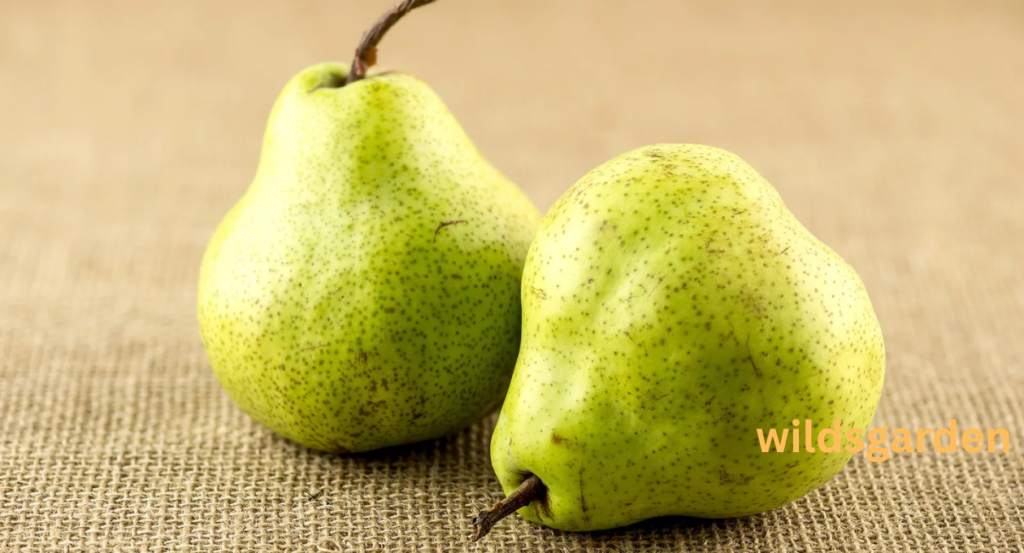
How Often Should Chickens Eat Pears?
Even though pears are healthy, they should only be given as an occasional treat rather than a daily food. Chickens require a balanced diet that mainly consists of high-quality poultry feed designed to meet their nutritional needs.
Treats such as fruits should generally make up no more than 10 percent of a chicken’s diet. Too much fruit can lead to excess sugar intake, which may affect digestion and reduce the amount of essential nutrients chickens receive from their regular feed.
Offering pears once or twice a week in small portions is usually a safe and enjoyable treat for most flocks.
Other Fruits Chickens Can Eat
Pears are not the only fruit chickens can enjoy. Many poultry owners also feed their chickens fruits like apples (without seeds), berries, watermelon, grapes, bananas, and peaches. These fruits can provide variety and extra nutrients when given in moderation.
However, it is always important to research each food before offering it to chickens. Some foods, such as avocado pits and skins, chocolate, and salty processed foods, can be harmful to poultry.
Conclusion
Pears can be a safe and enjoyable treat for chickens when offered properly and in moderation. Their natural sweetness, high water content, and beneficial nutrients make them a refreshing snack that many chickens love. When preparing pears for your flock, it is important to wash the fruit thoroughly, remove the seeds and core, and cut the pear into small, manageable pieces.
Although pears provide vitamins and hydration, they should only be given as an occasional treat. A chicken’s main diet should always consist of high-quality poultry feed that supplies the essential nutrients needed for healthy growth, egg production, and overall well-being. By following simple preparation steps and keeping portions small, poultry owners can safely add pears to their chickens’ diet while maintaining proper nutrition.
FAQs
1. Can chickens eat raw pears?
Yes, chickens can safely eat raw pears. In fact, raw pears are the best option because they retain all their natural nutrients and moisture.
2. Are pear seeds safe for chickens?
No, it is best to remove pear seeds before feeding pears to chickens. The seeds contain compounds that can release small amounts of cyanide when digested.
3. Can chickens eat pear skin?
Yes, chickens can eat pear skin. The skin contains fiber and nutrients, but it should be washed thoroughly to remove pesticides or dirt.
4. How often can chickens eat pears?
Pears should be given as an occasional treat, usually once or twice a week. Treats should make up no more than about 10% of a chicken’s diet.
5. Can baby chicks eat pears?
Baby chicks can eat very small, finely chopped pieces of pear, but it should be given sparingly. Their main nutrition should come from chick starter feed.

