

If you keep backyard chickens, you already know how curious and opportunistic they are when it comes to food. From kitchen scraps to garden leftovers, they seem eager to peck at just about anything. But when it comes to olives, many chicken owners pause and wonder: are they actually safe? The answer is yes, Can Chickens Eat Olives, but there are a few important details to keep in mind.
Are Olives Safe for Chickens?
Olives themselves are not toxic to chickens. In fact, they contain beneficial nutrients such as healthy fats, vitamin E, and antioxidants. These can support your flock’s overall health when offered in moderation.
However, most olives that we consume are processed, cured, and often soaked in brine or oil. This is where caution becomes necessary. The added salt and preservatives found in store-bought olives can be harmful to chickens if consumed in large quantities. Chickens are quite sensitive to excessive salt, which can lead to dehydration and other health issues.
So while olives are not inherently dangerous, the way they are prepared makes all the difference.
Fresh vs. Processed Olives
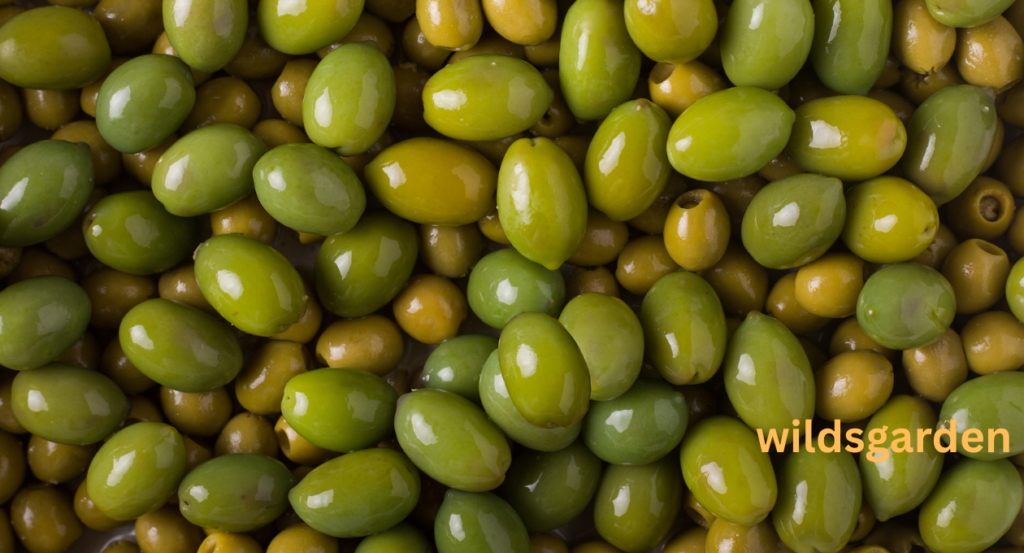
If you have access to fresh olives, those are the best option for your chickens. Fresh olives are free from added salt and chemicals, making them a safer and more natural treat.
Processed olives, such as canned or jarred varieties, should only be given occasionally and in very small amounts. It is best to rinse them thoroughly with water to remove excess salt before offering them to your birds.
Avoid flavored olives entirely, especially those stuffed with ingredients like garlic, cheese, or peppers. These additives may not sit well with your chickens and could cause digestive upset.
Nutritional Benefits
When given properly, olives can offer some nutritional perks. They are rich in healthy fats, which can provide a small energy boost, especially during colder months. The antioxidants found in olives may also support immune health.
That said, olives should never replace a balanced chicken feed. Your flock’s primary diet should always consist of high-quality commercial feed that provides all the essential nutrients they need for egg production and overall well-being.
Think of olives as a treat, not a staple.
How to Feed Olives to Chickens
If you decide to share olives with your chickens, preparation is key. Start by removing any pits, as these can pose a choking hazard. Then, cut the olives into smaller pieces to make them easier for your chickens to eat.
Offer only a few pieces at a time and observe how your flock responds. Chickens have individual preferences, and while some may enjoy olives, others might ignore them completely.
Moderation is crucial. Treats, including olives, should make up no more than 10% of your chickens’ diet.
Potential Risks to Watch For
While olives are generally safe, overfeeding can lead to problems. Too much fat or salt can disrupt your chickens’ digestion and overall health. Additionally, spoiled or moldy olives should never be fed, as they can introduce harmful bacteria.
Always ensure that any food you provide is fresh and clean. Keeping your chickens healthy often comes down to paying attention to small details like these.
Conclusion
Olives can be a safe and occasionally nutritious treat for chickens when offered with care. While they provide beneficial fats and antioxidants, their salt content, especially in processed varieties, means they should only be given in moderation. Fresh, pitted, and properly prepared olives are always the best choice. By keeping treats like olives to a small portion of your chickens’ overall diet, you can add a bit of variety without compromising their health. A balanced feed should always remain the foundation of your flock’s nutrition.
FAQs
Can chickens eat olive pits?
No, chickens should not eat olive pits. They can be a choking hazard and are difficult to digest. Always remove pits before feeding olives.
Are canned olives safe for chickens?
Canned olives can be given occasionally, but they should be rinsed thoroughly to remove excess salt. Too much sodium can harm chickens.
How many olives can I give my chickens?
Only a few small pieces at a time. Olives should be an occasional treat and not a regular part of their diet.
Can baby chicks eat olives?
It’s best to avoid feeding olives to chicks. Young chickens need a carefully balanced starter feed, and treats can interfere with their growth.
Do olives affect egg production?
In small amounts, olives won’t negatively impact egg production. However, too many treats in general can reduce the intake of essential nutrients, which may affect laying.

