

Raising chickens often comes with a steady stream of questions about what they can and cannot eat. Whether you are a backyard poultry keeper or running a small farm, understanding proper nutrition is essential for keeping your flock healthy and productive. One common question is: can chickens eat chickpeas? The short answer is yes, but there are some important details to consider before adding them to your chickens’ diet.
Understanding Chickpeas as a Food Source
Chickpeas, also known as garbanzo beans, are legumes packed with protein, fiber, vitamins, and minerals. For humans, they are considered a nutritious addition to meals, but chickens have different digestive systems and nutritional requirements.
Chickpeas contain:
- High levels of plant-based protein
- Essential minerals like iron and magnesium
- Dietary fiber
- Natural carbohydrates for energy
These nutrients can be beneficial to chickens when provided in the right form and quantity. However, not all forms of chickpeas are safe for poultry consumption.
Are Chickpeas Safe for Chickens?
Raw Chickpeas: A Word of Caution
Raw chickpeas are not recommended for chickens. Like many legumes, they contain natural compounds called antinutrients, such as lectins and trypsin inhibitors. These substances can interfere with digestion and nutrient absorption, potentially causing health issues in your flock.
Feeding raw chickpeas regularly may lead to:
- Digestive discomfort
- Reduced nutrient uptake
- General decline in health over time
Cooked Chickpeas: A Better Option
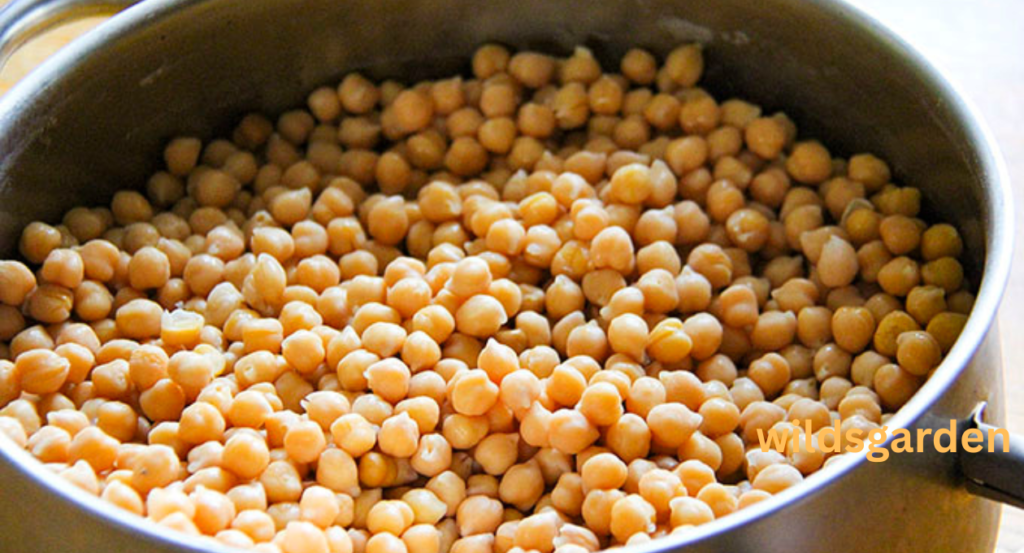
Cooked chickpeas are much safer and more suitable for chickens. Cooking neutralizes most of the harmful compounds, making the nutrients more accessible and easier to digest.
When preparing chickpeas for your chickens:
- Boil them thoroughly until soft
- Avoid adding salt, spices, or oil
- Let them cool before serving
Properly cooked chickpeas can serve as a healthy, occasional treat.
Nutritional Benefits for Chickens
Protein Boost
Chickpeas are a good source of protein, which is essential for egg production, feather growth, and overall health. While chickens typically get protein from commercial feed, small additions like chickpeas can provide variety and enrichment.
Energy Source
The carbohydrates in chickpeas provide a quick energy boost, especially useful during colder months when chickens need extra calories to maintain body heat.
Vitamins and Minerals
Chickpeas contain important nutrients that support immune function and general well-being. These include B vitamins, iron, and magnesium, all of which contribute to healthy development.
How Much Chickpeas Should Chickens Eat?
Moderation Is Key
Even though cooked chickpeas are safe, they should not replace a balanced poultry feed. Chickens require a carefully formulated diet to meet all their nutritional needs, especially for laying hens.
As a general guideline:
- Offer chickpeas as an occasional treat
- Limit treats to no more than 10% of their total diet
- Observe your chickens for any unusual reactions
Overfeeding chickpeas can lead to imbalances in nutrition and reduced egg production.
Best Serving Practices
To make chickpeas more appealing and easier to consume:
- Mash or slightly crush cooked chickpeas
- Mix them with regular feed or other vegetables
- Scatter them to encourage natural foraging behavior
This not only improves digestion but also keeps your chickens mentally stimulated.
Potential Risks to Watch For
While chickpeas can be beneficial, there are a few risks to keep in mind:
Digestive Issues
Introducing too many chickpeas at once can upset your chickens’ digestive system. Always introduce new foods gradually.
Spoilage
Cooked chickpeas can spoil quickly, especially in warm weather. Always remove uneaten portions to prevent mold or bacterial growth.
Imbalanced Diet
Relying too heavily on treats like chickpeas can dilute the nutritional value of a well-balanced feed. This can impact egg quality and overall health.
Conclusion
Chickpeas can be a safe and nutritious addition to your chickens’ diet when handled properly. While they offer valuable protein, energy, and essential nutrients, the way they are prepared makes all the difference. Raw chickpeas should always be avoided due to harmful compounds, but cooked chickpeas, served plain and in moderation, can be a healthy treat.
As with any supplemental food, balance is key. Chickens thrive best on a complete and well-formulated feed, with treats like chickpeas making up only a small portion of their overall intake. By introducing chickpeas carefully and observing your flock’s response, you can add variety to their diet without compromising their health or productivity.
FAQs
Can chickens eat raw chickpeas?
No, chickens should not eat raw chickpeas. They contain antinutrients that can interfere with digestion and may harm your flock over time.
Are canned chickpeas safe for chickens?
Canned chickpeas can be given occasionally, but only if they are thoroughly rinsed to remove salt and preservatives. Freshly cooked chickpeas are always the better option.
How often can I feed chickpeas to chickens?
Chickpeas should be offered as an occasional treat, not a daily staple. Limit them to about 10% or less of the chickens’ total diet.
Can baby chicks eat chickpeas?
It is best to avoid feeding chickpeas to baby chicks. Young chicks require a specialized starter feed that meets their precise nutritional needs.

