

If you keep chickens or are planning to start a backyard flock, you’ve probably wondered which kitchen scraps and garden greens are safe to share. One common question is whether chickens can eat arugula. The answer is yes—Can Chickens Eat Arugula, and it can be a healthy addition to their diet when given properly.
Is Arugula Safe for Chickens?
Arugula, also known as rocket, is a leafy green vegetable that belongs to the Brassica family, which includes kale, cabbage, and broccoli. These vegetables are generally safe for chickens, and arugula is no exception.
Why Chickens Can Eat Arugula
Chickens are natural foragers and enjoy a variety of greens. Arugula is non-toxic and easy for them to peck and digest. While its peppery flavor may seem strong to humans, many chickens quickly grow to like it.
Nutritional Benefits of Arugula
Arugula is more than just safe—it’s nutritious.
Rich in Essential Vitamins
Arugula contains important vitamins such as A, C, and K. Vitamin A supports vision and immune health, vitamin C helps reduce stress (especially in hot weather), and vitamin K plays a role in blood clotting.
Supports Bone and Egg Health
This leafy green also provides calcium and potassium, which contribute to strong bones and consistent egg production in laying hens.
How to Feed Arugula to Chickens
While arugula is beneficial, how you feed it matters.
Serve Fresh and Clean
Always wash arugula thoroughly to remove dirt or chemicals. Avoid feeding any leaves that have been treated with pesticides.
Chop or Scatter
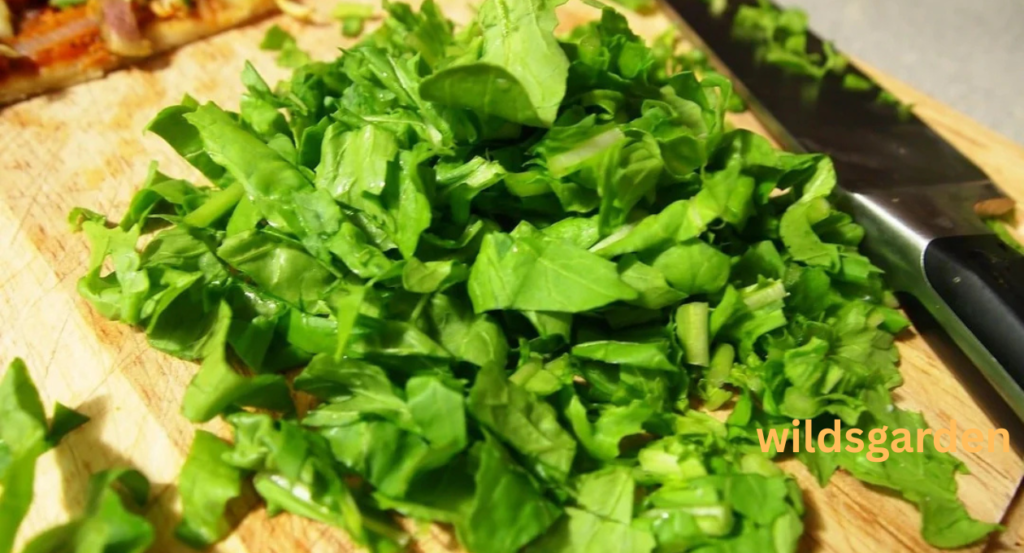
You can offer whole leaves or chop them into smaller pieces. Scattering arugula around the coop encourages natural foraging behavior, keeping chickens active and engaged.
Mix with Other Greens
For variety, combine arugula with other vegetables like lettuce, spinach, or herbs. A mixed selection can make feeding time more interesting and balanced.
How Much Arugula Should Chickens Eat?
Moderation is key when feeding any treat.
Follow the 10% Rule
Arugula and other treats should make up no more than 10% of a chicken’s daily diet. The majority of their nutrition should come from high-quality commercial feed.
Avoid Overfeeding
Too many greens can lead to nutritional imbalances and may reduce egg production. Balance is essential for maintaining a healthy flock.
Will Chickens Always Like Arugula?
Not all chickens react the same way to new foods.
Introducing New Foods
Some chickens may hesitate to try arugula at first. Introduce it gradually and mix it with familiar foods to encourage acceptance.
Observe Their Behavior
After feeding arugula, watch your chickens for any unusual reactions. Most chickens tolerate it well, but observation ensures their safety.
Conclusion
Arugula is a safe and nutritious treat that can be a great addition to your chickens’ diet when offered in moderation. Packed with essential vitamins and minerals, it supports overall health, strengthens bones, and can even contribute to better egg production. However, like all treats, it should never replace a balanced commercial feed. By serving arugula fresh, clean, and in appropriate amounts, you can provide your flock with a healthy snack while encouraging their natural foraging behavior.
FAQs
Can chickens eat arugula every day?
Chickens can eat arugula regularly, but it should not be given every day in large amounts. Treats, including arugula, should only make up about 10% of their total diet to maintain proper nutrition.
Can baby chicks eat arugula?
Yes, baby chicks can eat small amounts of finely chopped arugula. However, their primary diet should be chick starter feed to ensure proper growth and development.
Do chickens like the taste of arugula?
Many chickens enjoy arugula despite its peppery flavor. Some may take time to get used to it, so introducing it gradually is a good idea.
Can too much arugula harm chickens?
Feeding too much arugula can lead to an unbalanced diet and may reduce egg production. Moderation is key to keeping your chickens healthy.
Is cooked arugula safe for chickens?
Yes, cooked arugula is safe as long as it is plain and free from salt, oil, or seasoning. However, fresh arugula is generally better as it retains more nutrients.

