

Cabbage vs lettuce are two of the most commonly consumed leafy vegetables around the world. Although they may look similar at first glance, they differ significantly in taste, texture, nutritional value, and culinary uses. Both vegetables play an important role in healthy diets, but understanding their differences can help you choose the right one for your meals. T
What Is Cabbage?
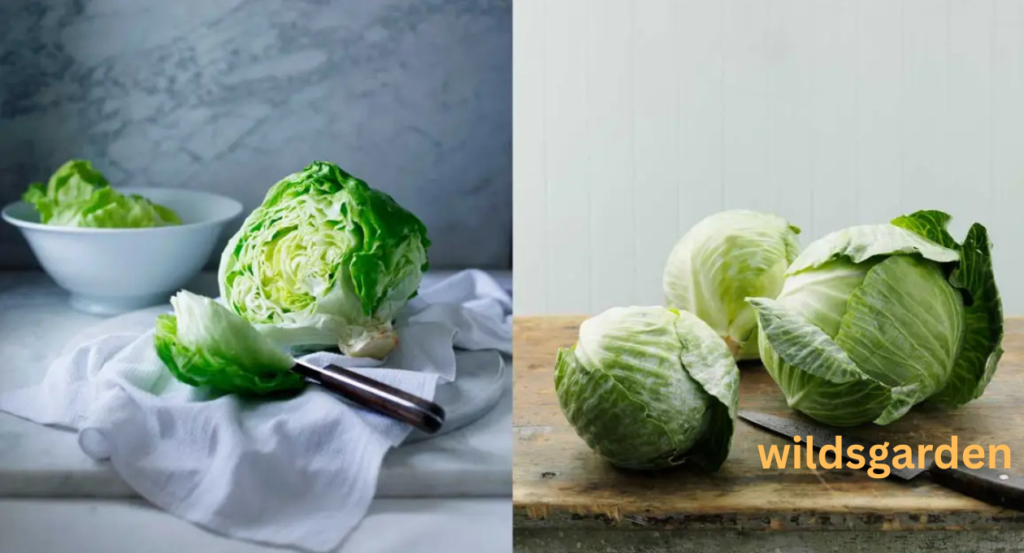
Cabbage is a cruciferous vegetable belonging to the Brassica family, which also includes broccoli, cauliflower, and kale. It typically grows in tight, round heads and comes in several varieties such as green cabbage, red cabbage, and Savoy cabbage. Cabbage has a firm texture and a slightly peppery taste, especially when eaten raw.
Cabbage is known for its long shelf life and versatility. It can be eaten raw, cooked, fermented, or pickled. Popular dishes featuring cabbage include coleslaw, stir-fries, soups, stuffed cabbage rolls, and fermented foods like sauerkraut and kimchi.
What Is Lettuce?
Lettuce belongs to the Lactuca sativa family and is commonly used as a fresh leafy vegetable. Unlike cabbage, lettuce forms loose heads or leafy bunches. Common types include iceberg lettuce, romaine lettuce, butterhead lettuce, and leaf lettuce. Lettuce has a mild flavor and a crisp, refreshing texture.
Lettuce is most often consumed raw and is a staple ingredient in salads, sandwiches, and wraps. Because of its high water content, lettuce is prized for its cooling effect and lightness, making it especially popular in warm climates and weight-management diets.
Nutritional Comparison: Cabbage vs Lettuce
When comparing cabbage vs lettuce nutritionally, cabbage generally offers higher nutrient density. Cabbage is rich in vitamin C, vitamin K, vitamin B6, fiber, and antioxidants. Red cabbage, in particular, contains powerful anthocyanins that support heart health and reduce inflammation.
Lettuce, on the other hand, is lower in calories and contains a high percentage of water. Romaine lettuce provides a good amount of vitamin A, folate, and potassium, while iceberg lettuce is lower in nutrients but still contributes hydration and crunch to meals.
Overall, cabbage provides more fiber and vitamins per serving, while lettuce is ideal for low-calorie, refreshing meals.
Taste and Texture Differences
Cabbage has a dense, crunchy texture and a slightly sharp or earthy taste when raw. When cooked, it becomes tender and slightly sweet. Its sturdy leaves hold up well to heat, making cabbage suitable for boiling, sautéing, roasting, and fermenting.
Lettuce has a softer, lighter texture and a very mild flavor. It wilts quickly when exposed to heat, which is why it is rarely cooked. Lettuce is best enjoyed fresh to preserve its crispness and refreshing qualities.
Culinary Uses and Versatility
Cabbage is extremely versatile in cooking. It can be shredded for salads, cooked into soups and curries, stir-fried with spices, or fermented for long-lasting preservation. Its durability makes it ideal for hearty meals and traditional dishes across many cultures.
Lettuce is mainly used raw. It is perfect for salads, burgers, tacos, wraps, and garnishes. While less versatile in cooking, lettuce excels at adding freshness, crunch, and visual appeal to dishes.
Storage and Shelf Life
One major difference between cabbage and lettuce is shelf life. Cabbage can last for weeks in the refrigerator if stored properly. Its tightly packed leaves protect it from moisture loss and spoilage.
Lettuce, especially loose-leaf varieties, is more delicate and has a shorter shelf life. It usually needs to be consumed within a few days to maintain freshness and avoid wilting.
Health Benefits and Dietary Considerations
Cabbage supports digestion, immune health, and heart health due to its fiber and antioxidant content. Fermented cabbage products also promote gut health by providing beneficial probiotics.
Lettuce supports hydration, weight management, and eye health, particularly varieties rich in vitamin A like romaine. Its low calorie count makes it suitable for people aiming to reduce calorie intake.
Conclusion
When comparing cabbage vs lettuce, both vegetables have unique strengths. Cabbage is nutrient-dense, long-lasting, and suitable for both raw and cooked dishes. Lettuce is light, refreshing, and ideal for fresh meals and salads. Choosing between cabbage and lettuce depends on your nutritional needs, cooking style, and personal taste. Including both in your diet ensures variety, balance, and a wide range of health benefits.
faqs
1. Is cabbage healthier than lettuce?
Cabbage is generally more nutrient-dense than lettuce. It contains higher amounts of vitamin C, fiber, and antioxidants, while lettuce is lower in calories and higher in water content.
2. Can cabbage be eaten raw like lettuce?
Yes, cabbage can be eaten raw. It is commonly used in salads such as coleslaw and provides a crunchy texture and stronger flavor compared to lettuce.
3. Which is better for weight loss, cabbage or lettuce?
Both are good for weight loss. Lettuce is very low in calories and helps with hydration, while cabbage provides more fiber, which helps you feel full for longer.
4. Why is lettuce usually eaten raw?
Lettuce has delicate leaves that wilt quickly when cooked. It is best eaten raw to preserve its crisp texture and mild flavor.
5. Is cabbage good for digestion?
Yes, cabbage is rich in fiber and supports digestion. Fermented cabbage products like sauerkraut and kimchi also promote gut health.

