

The meyer lemon tree care is a favorite among home gardeners for its sweet, slightly floral flavor and compact growth habit. A cross between a traditional lemon and a mandarin orange, this tree produces less acidic fruit and thrives both outdoors and indoors in containers. With the right care, a Meyer lemon tree can reward you with fragrant blossoms and juicy fruit year after year.
If you’re ready to grow one successfully, here’s everything you need to know about Meyer lemon tree care.
Choosing the Right Location
Meyer lemon trees love sunlight. They need at least 6–8 hours of direct sunlight daily to grow well and produce fruit.
- Outdoors: Ideal for warm climates, especially USDA zones 9–11.
- Indoors: Place near a south- or southwest-facing window for maximum light. If natural light is limited, consider using a grow light.
If you live in a colder climate, growing your tree in a container allows you to bring it indoors during winter.
Watering Properly
Proper watering is one of the most important aspects of Meyer lemon tree care.
- Keep the soil consistently moist but not soggy.
- Allow the top 1–2 inches of soil to dry out before watering again.
- Ensure the pot has drainage holes to prevent root rot.
Overwatering is a common mistake. Yellowing leaves can be a sign of too much water, while dry, crispy leaves may indicate underwatering.
Soil and Fertilizing Needs
Meyer lemon trees prefer well-draining, slightly acidic soil. A high-quality citrus potting mix works best for container-grown trees.
For fertilizing:
- Use a citrus-specific fertilizer rich in nitrogen.
- Feed every 4–6 weeks during spring and summer.
- Reduce feeding in fall and winter when growth slows.
Proper nutrition supports healthy foliage and encourages fruit production.
Temperature and Humidity
These trees thrive in warm temperatures between 50°F and 80°F (10°C–27°C).
If grown indoors, keep the tree away from cold drafts, heating vents, or air conditioners. Meyer lemon trees also enjoy moderate humidity. If your indoor air is dry, especially in winter, consider:
- Using a humidity tray
- Running a humidifier
- Lightly misting the leaves
Stable conditions help prevent leaf drop.
Pruning and Shaping
Pruning keeps your Meyer lemon tree healthy and manageable.
- Remove dead or damaged branches.
- Trim leggy growth to maintain a balanced shape.
- Prune lightly in early spring before new growth begins.
Avoid heavy pruning, as fruit develops on new growth. Gentle shaping encourages better air circulation and sunlight penetration.
Encouraging Fruit Production
Patience is key. Meyer lemon trees may take 1–2 years to produce fruit, especially if grown from young nursery plants.
To encourage fruiting:
- Ensure adequate sunlight.
- Fertilize regularly during the growing season.
- Hand-pollinate indoor trees by gently brushing a small paintbrush between flowers.
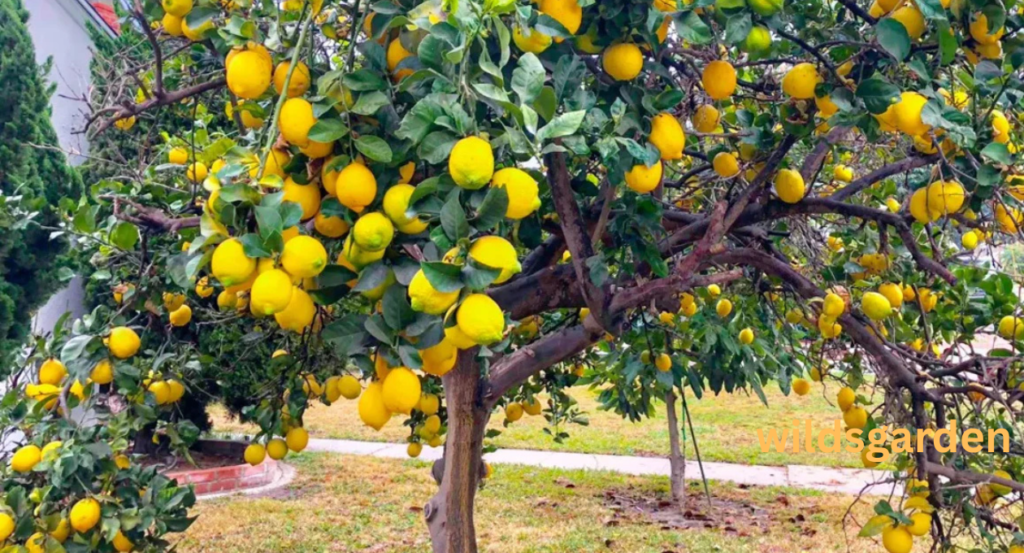
Blossoms are fragrant and beautiful, and with proper care, they develop into round, deep yellow fruit when ripe.
Managing Common Problems
Like all citrus trees, Meyer lemons can face a few issues:
- Yellow leaves: Often caused by overwatering or nutrient deficiency.
- Leaf drop: Usually due to sudden temperature changes.
- Pests: Watch for spider mites, aphids, and scale insects.
Inspect leaves regularly and treat infestations early with insecticidal soap or neem oil if necessary.
Repotting Your Meyer Lemon Tree
Container-grown trees typically need repotting every 2–3 years. Signs it’s time to repot include:
- Roots circling the bottom of the pot
- Slowed growth
- Soil drying out too quickly
Choose a pot 1–2 inches larger in diameter and refresh with new citrus soil mix.
conclusion
Caring for a Meyer lemon tree is a rewarding experience that brings both beauty and flavor to your home or garden. With the right balance of sunlight, consistent watering, well-draining soil, and regular feeding, your tree can thrive and produce fragrant blossoms and sweet, juicy fruit year after year.
Whether grown indoors in a container or outdoors in a warm climate, a Meyer lemon tree is relatively easy to maintain once you understand its basic needs. With patience and proper care, you’ll enjoy not only a healthy, vibrant plant but also the satisfaction of harvesting your own homegrown lemons.
FAQs
1. How often should I water my Meyer lemon tree?
Water your Meyer lemon tree when the top 1–2 inches of soil feel dry. This usually means watering once a week, but frequency can vary depending on climate, pot size, and season. Always ensure proper drainage to prevent root rot.
2. How long does it take for a Meyer lemon tree to produce fruit?
Most nursery-grown trees begin producing fruit within 1–2 years. Trees grown from seed can take much longer, sometimes 3–7 years. Providing plenty of sunlight and regular fertilization helps encourage fruit production.
3. Can Meyer lemon trees grow indoors?
Yes, Meyer lemon trees grow very well indoors if they receive enough light. Place them near a south- or southwest-facing window where they can get at least 6–8 hours of direct sunlight daily. You may also use a grow light if natural sunlight is limited.
4. Why are the leaves on my Meyer lemon tree turning yellow?
Yellow leaves can result from several issues, including overwatering, poor drainage, nutrient deficiencies, or sudden temperature changes. Check soil moisture first, and consider using a citrus fertilizer if nutrients may be lacking.
5. Do Meyer lemon trees need pruning?
Light pruning helps maintain shape, improve air circulation, and remove dead or damaged branches. Prune in early spring before new growth begins, and avoid heavy trimming since fruit develops on new growth.

