

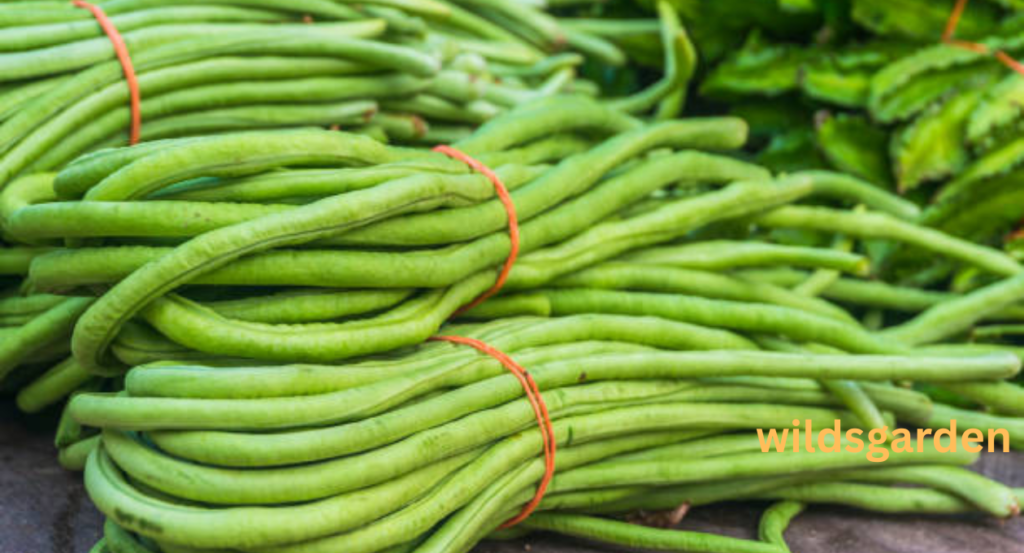
Long beans, also known as yardlong beans, are a vibrant and versatile vegetable cherished across many Asian cuisines. With their striking length—often growing up to 18 inches or more—these slender green pods are not only visually impressive but also packed with flavor and nutrition. Whether stir-fried, steamed, sautéed, or added to curries, long beans bring a delightful crunch and earthy taste to a variety of dishes.
What Are Long Beans?
Scientifically known as Vigna unguiculata subsp. sesquipedalis, long beans are a variety of cowpea cultivated for their exceptionally long edible pods. They are commonly referred to as Chinese long beans, snake beans, or yardlong beans. Unlike regular green beans, long beans are more flexible, slightly firmer in texture, and have a subtle, nutty flavor.
Long beans thrive in warm climates and are widely grown in Southeast Asia, China, and parts of Africa. They flourish in tropical and subtropical environments, climbing on vines that require support as they grow. Their resilience and productivity make them a popular crop among home gardeners and commercial farmers alike.
Nutritional Benefits
Long beans are a powerhouse of nutrients while remaining low in calories. They are rich in dietary fiber, which supports healthy digestion and helps regulate blood sugar levels. Additionally, they provide a good source of vitamin C, vitamin A, and folate, all essential for immune function, skin health, and cell growth.
Minerals such as iron, magnesium, and potassium are also found in long beans. Iron supports healthy red blood cells, magnesium aids muscle and nerve function, and potassium helps regulate blood pressure. Including long beans in your meals can contribute to overall wellness without adding excessive calories or fat.
Culinary Uses Around the World
Long beans are especially popular in Thai, Chinese, Malaysian, and Filipino cooking. In Thai cuisine, they are often sliced and tossed into spicy salads or stir-fried with chili paste and garlic. In Chinese dishes, long beans are commonly sautéed with minced pork and preserved vegetables, creating a savory and aromatic combination.
In Indonesian cuisine, long beans are used in sambal goreng, a spicy stir-fry dish that highlights bold flavors. They can also be lightly blanched and served as part of a vegetable platter with dipping sauces. Their ability to absorb flavors makes them a perfect ingredient for richly seasoned dishes.
When cooking long beans, it’s important not to overcook them. A quick stir-fry or brief steaming helps maintain their vibrant green color and satisfying crunch. Overcooking can result in a mushy texture and diminished flavor.
How to Select and Store
When shopping for long beans, look for firm, smooth pods with a bright green color. Avoid beans that appear wilted, wrinkled, or have brown spots. Fresh long beans should snap easily when bent.
To store them, place unwashed beans in a plastic bag or airtight container in the refrigerator. They typically stay fresh for up to five days. For longer storage, blanching and freezing are effective options.
Growing Long Beans at Home
For gardening enthusiasts, long beans are relatively easy to grow. They prefer full sun and well-drained soil rich in organic matter. Because they are climbing plants, providing a trellis or support system encourages healthy growth and maximizes yield.
Seeds can be sown directly into warm soil after the last frost. With proper watering and care, plants will begin producing pods within two to three months. Regular harvesting encourages continued production throughout the growing season.
A Simple Addition with Big Impact
Long beans may appear humble, but their culinary versatility, nutritional value, and unique texture make them a standout ingredient. From quick weeknight stir-fries to vibrant traditional dishes, they offer both flavor and health benefits in every bite.
Adding long beans to your diet is an easy way to explore new flavors while nourishing your body. Whether you’re discovering them at a local market or growing them in your backyard, long beans are a delicious reminder that sometimes the simplest vegetables can make the biggest impression.
Conclusion
Long beans are more than just an eye-catching vegetable—they are a nutritious, versatile, and flavorful addition to everyday cooking. Their crisp texture, mild earthy taste, and ability to absorb bold seasonings make them a favorite in many Asian dishes and an exciting ingredient to experiment with at home. From supporting digestive health to providing essential vitamins and minerals, long beans offer impressive nutritional benefits in a simple, low-calorie package.
1. What are long beans also called?
Long beans are commonly known as yardlong beans, Chinese long beans, or snake beans. In some regions, they are simply referred to as asparagus beans due to their long, slender shape.
2. How are long beans different from regular green beans?
Long beans are typically longer, more flexible, and slightly firmer than regular green beans. They have a mild, slightly nutty flavor and are often used in Asian cuisine, while regular green beans are more common in Western dishes.
3. Are long beans healthy?
Yes, long beans are highly nutritious. They are low in calories and rich in fiber, vitamin C, vitamin A, folate, and essential minerals like iron and potassium. They support digestion, immune health, and overall wellness.
4. How do you cook long beans?
Long beans are best cooked quickly to maintain their crisp texture. Popular methods include stir-frying, steaming, sautéing, or adding them to curries and soups. Avoid overcooking, as they can become soft and lose their vibrant color.
5. Can you eat long beans raw?
Yes, long beans can be eaten raw when they are fresh and tender. They are sometimes sliced and added to salads. However, lightly blanching or stir-frying can enhance their flavor and make them easier to digest.

