

Turnips are cool-season root vegetables that are easy to grow and highly nutritious. Whether you grow them for their sweet, peppery roots or their leafy greens, turnips can thrive even in small garden spaces. However, like many crops, turnips grow better when paired with the right Turnip companion plants. Companion planting is a natural gardening method that improves plant health, reduces pests, and increases yields without relying heavily on chemicals.
In this guide, we will explore the best turnip companion plants and how they benefit your garden.
Why Companion Planting Matters for Turnips
Companion planting works by placing plants together that support each other’s growth. Some plants repel harmful insects, while others improve soil fertility or attract beneficial pollinators. Since turnips grow underground, they benefit greatly from companions that protect their leaves from pests and enhance soil conditions.
Turnips are particularly vulnerable to pests such as aphids, flea beetles, and root maggots. Choosing the right companion plants can significantly reduce these issues while promoting healthier growth.
Best Companion Plants for Turnips
1. Garlic and Onions
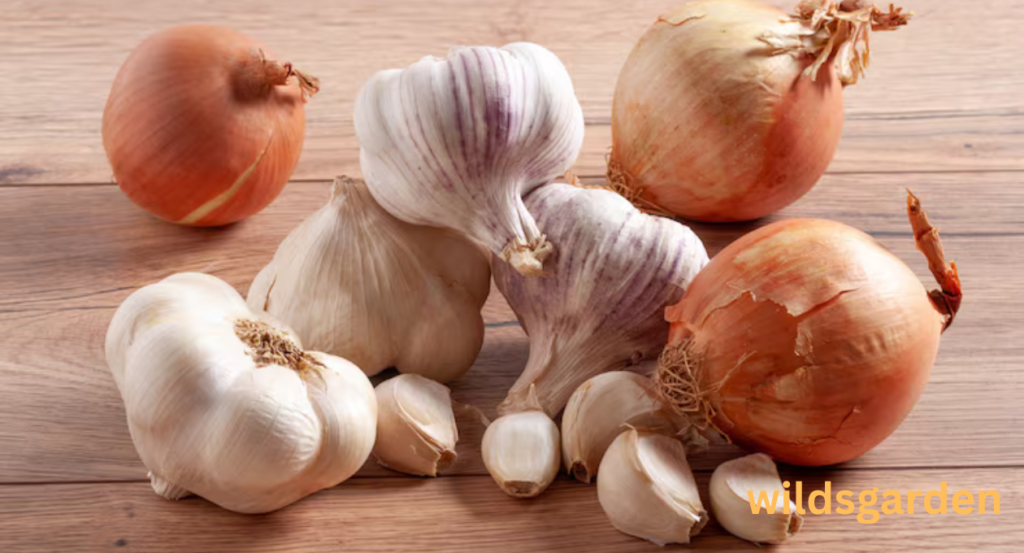
Members of the allium family, such as garlic and onions, are excellent companions for turnips. Their strong scent helps repel pests like aphids and root maggots. Planting garlic around your turnip beds can act as a natural barrier against insects.
2. Peas and Beans
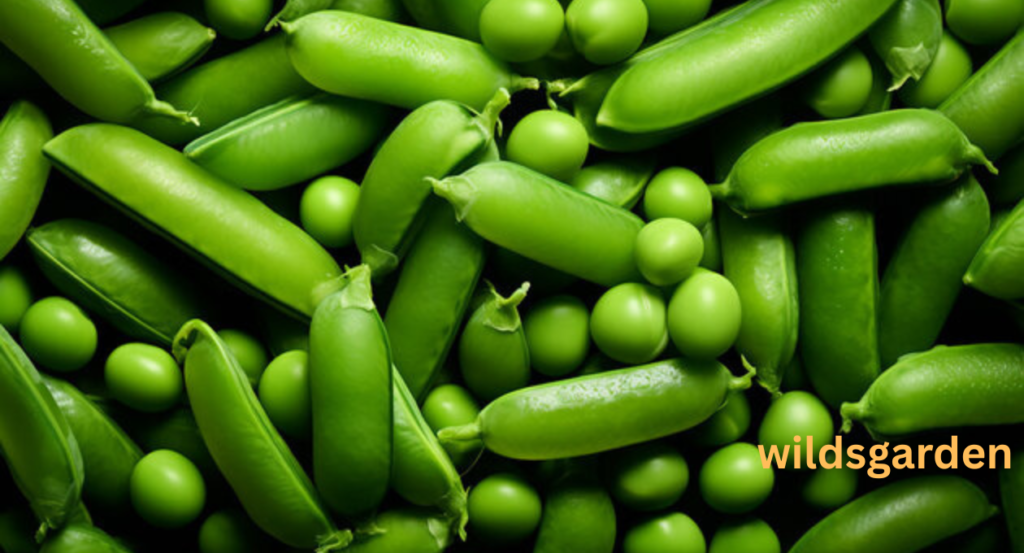
Legumes such as peas and beans improve soil fertility by fixing nitrogen into the soil. Nitrogen is essential for leafy growth, and turnip greens benefit greatly from it. Growing peas or beans near turnips can lead to stronger plants and better yields.
3. Lettuce
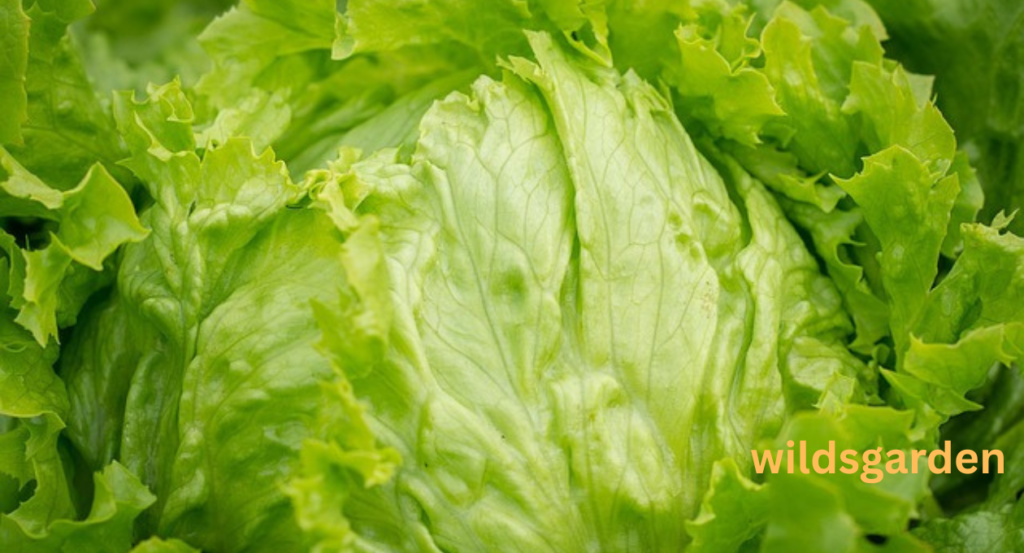
Lettuce is a fast-growing, shallow-rooted plant that does not compete heavily with turnips for nutrients. Since lettuce grows above the soil and turnips develop underground, they make an excellent pairing. This combination also maximizes garden space efficiently.
4. Spinach
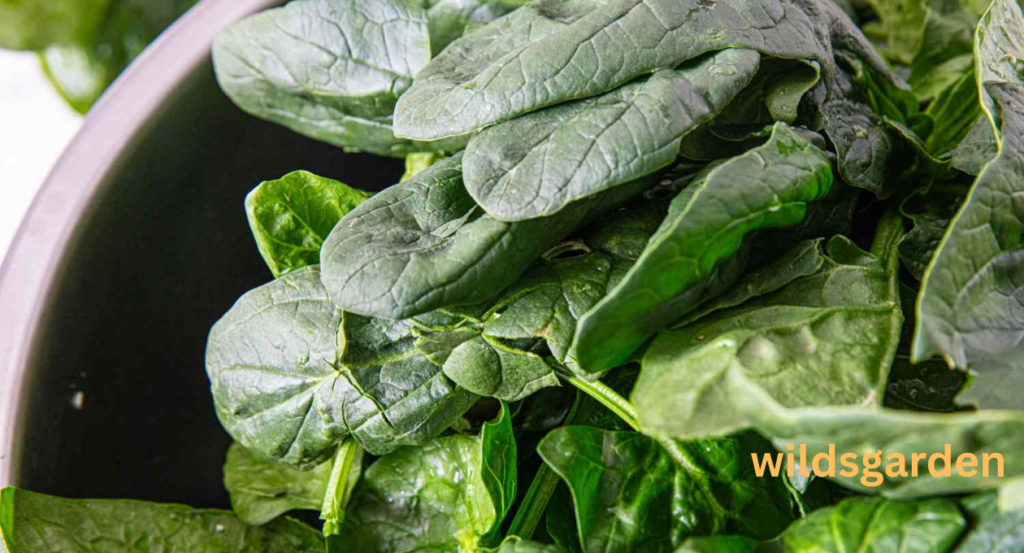
Spinach thrives in similar cool-season conditions as turnips. Both plants prefer moderate temperatures and consistent moisture. Growing them together simplifies garden care and maintenance.
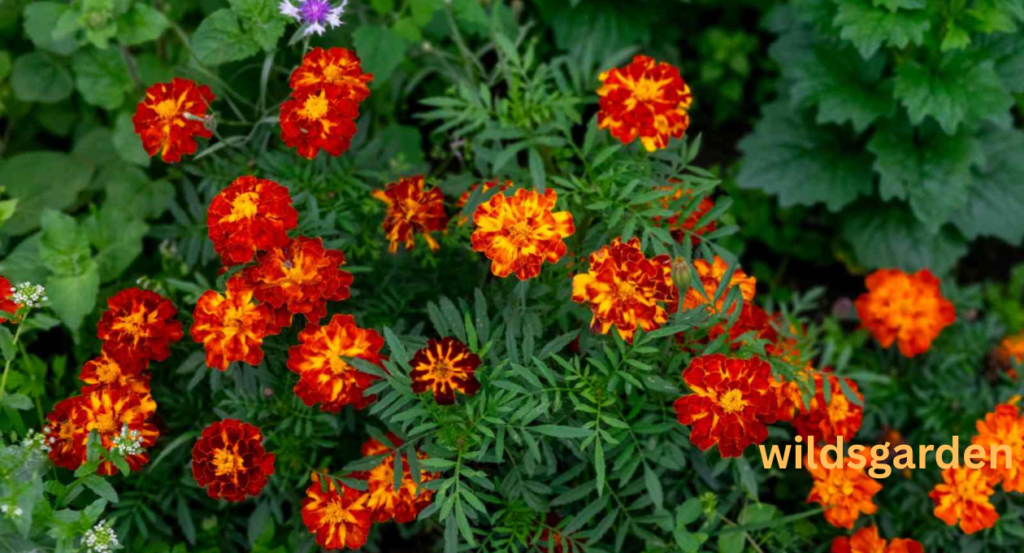
5. Marigolds
Marigolds are popular companion plants because they deter many garden pests. Their scent can help keep harmful insects away from turnips. In addition, marigolds attract beneficial insects that help control pest populations naturally.
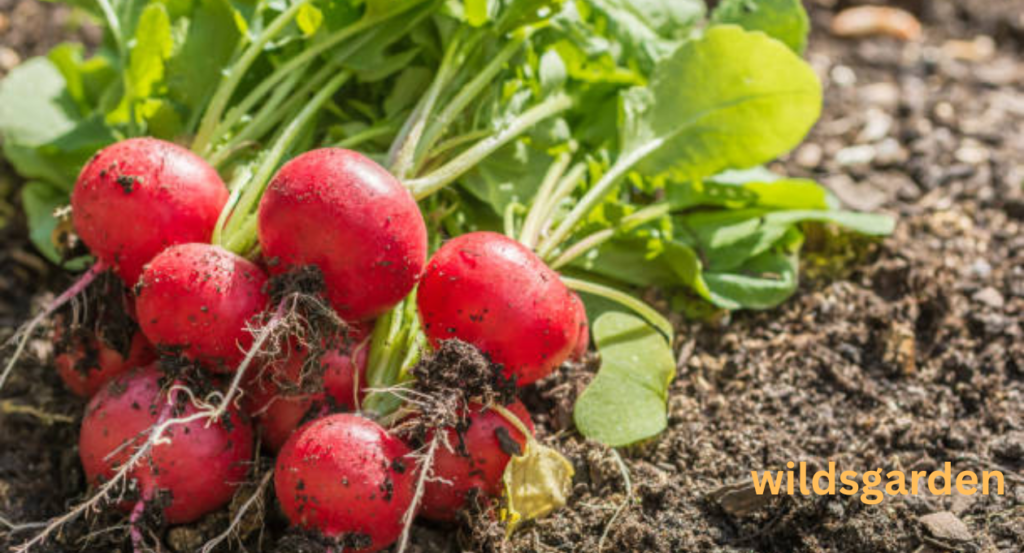
6. Radishes
Radishes grow quickly and can act as trap crops for flea beetles, which are common turnip pests. By planting radishes nearby, you may reduce damage to your turnips.
Plants to Avoid Growing with Turnips
Not all plants make good companions for turnips. Avoid planting turnips near other brassicas such as cabbage, broccoli, and cauliflower. These plants belong to the same family and attract similar pests and diseases. Growing them together can increase the risk of infestations and soil nutrient depletion.
Corn is another plant to avoid near turnips because it competes heavily for nutrients and space.
Tips for Successful Companion Planting
- Rotate crops each season to prevent soil-borne diseases.
- Maintain proper spacing to avoid overcrowding.
- Keep soil well-drained and enriched with compost.
- Monitor regularly for pests and remove affected leaves promptly.
- Water consistently, especially during dry periods.
Good garden planning is key. Arrange taller plants on the north side of your garden bed so they do not shade turnips excessively. Keep root crops evenly spaced to allow proper development underground.
Benefits of Companion Planting with Turnips
Companion planting offers several advantages:
- Natural pest control
- Improved soil fertility
- Better use of garden space
- Increased crop yield
- Healthier and more resilient plants
By carefully selecting companion plants, you create a balanced ecosystem in your garden. This approach reduces the need for synthetic fertilizers and pesticides while promoting sustainable gardening practices.
Conclusion
Turnips are versatile and rewarding crops that grow even better when paired with the right companions. Plants like garlic, peas, lettuce, spinach, marigolds, and radishes can enhance growth, protect against pests, and improve overall garden productivity. At the same time, avoiding other brassicas and nutrient-heavy crops like corn helps prevent competition and disease issues.
With thoughtful planning and proper care, companion planting can transform your turnip patch into a thriving, productive garden space. Whether you are a beginner or an experienced gardener, incorporating companion plants into your turnip bed is a simple and effective way to boost success naturally.
1. What are the best companion plants for turnips?
Some of the best companion plants for turnips include garlic, onions, peas, beans, lettuce, spinach, radishes, and marigolds. These plants either improve soil health, repel pests, or grow well alongside turnips without competing for nutrients.
2. Why should I use companion planting with turnips?
Companion planting helps protect turnips from pests, improves soil fertility, and maximizes garden space. It is a natural and eco-friendly way to boost plant health and increase yields without relying heavily on chemicals.
3. Can turnips and carrots grow together?
Yes, turnips and carrots can grow together since both are root vegetables. However, make sure they are properly spaced to prevent overcrowding and competition for nutrients underground.
4. What plants should not be grown near turnips?
Avoid planting turnips near other brassicas such as cabbage, broccoli, and cauliflower. These plants attract similar pests and diseases, which can increase the risk of infestation. Corn should also be avoided due to its heavy nutrient demands.
5. Do companion plants completely eliminate pests?
No, companion plants reduce pest problems but may not eliminate them entirely. Regular garden monitoring and good maintenance practices are still important for healthy turnip growth.

