

The pomato plant is one of the most fascinating innovations in modern gardening. As the name suggests, a pomato is a unique plant that produces both tomatoes and potatoes at the same time. This dual-purpose plant has captured the curiosity of home gardeners and commercial growers alike. Imagine harvesting juicy tomatoes above the ground while digging up fresh potatoes from the same plant’s roots. It sounds almost magical, but it is entirely possible through careful horticultural techniques.
What Is a Pomato Plant?
The pomato plant is created by grafting a tomato plant onto a potato plant. Both tomatoes and potatoes belong to the same botanical family, Solanaceae, which makes them compatible for grafting. Scientifically, tomatoes are known as Solanum lycopersicum and potatoes as Solanum tuberosum. Because they are closely related, gardeners can join the stem of a tomato plant to the root system of a potato plant, allowing them to grow as one.
It is important to understand that the pomato is not a genetically modified organism (GMO). Instead, it is a result of traditional grafting methods that have been used for centuries in fruit trees and other crops. The tomato plant grows above the soil and produces fruit, while the potato roots grow underground and form tubers.
How Does the Pomato Plant Work?
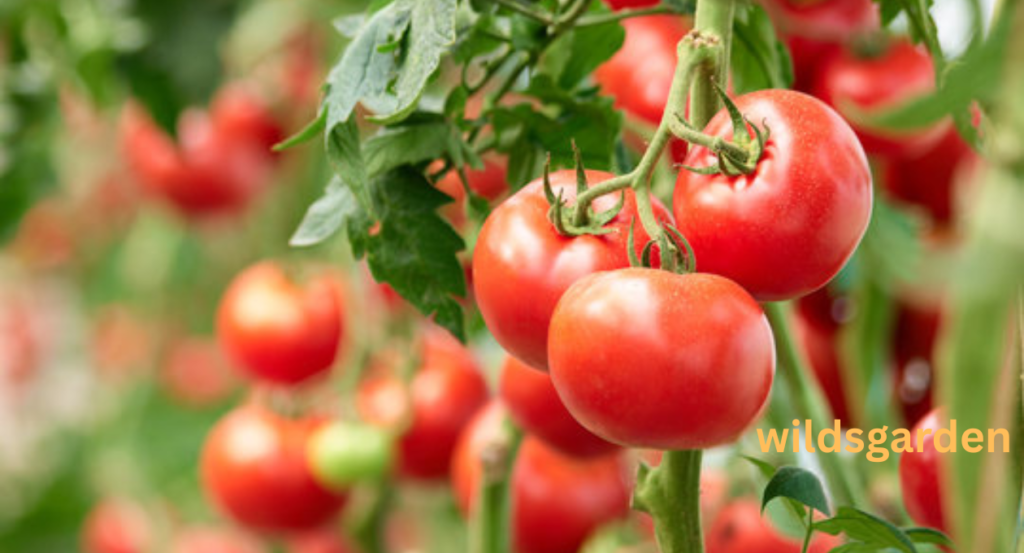
The process begins by cutting and joining the stems of young tomato and potato plants. Once the graft heals and the tissues fuse together, the plant grows as a single unit. The upper portion (the tomato plant) produces leaves, flowers, and tomatoes, while the lower portion (the potato plant) develops potatoes underground.
However, growing a pomato requires proper care. The plant needs adequate sunlight, well-drained soil, and consistent watering. Since it supports two crops at once, it may require additional nutrients compared to a regular tomato or potato plant.
Benefits of Growing a Pomato Plant
There are several advantages to growing a pomato plant in your garden:
1. Space Saving
For gardeners with limited space, such as those with small yards or balcony gardens, the pomato offers a practical solution. Instead of planting separate tomato and potato crops, you can grow both in a single container or garden bed.
2. Fun and Educational
The pomato plant is a great conversation starter. It’s also an excellent educational tool for teaching children about plant biology, grafting techniques, and sustainable gardening practices.
3. Efficient Use of Resources
Since both crops share the same root system and growing area, you can maximize your garden’s productivity without using additional space.
Challenges and Considerations
While the pomato plant sounds perfect, there are some challenges to consider. The plant may require more care than standard crops. Balancing nutrients is crucial because both tomatoes and potatoes have different growth needs. Overharvesting tomatoes too early or damaging the plant while digging for potatoes can also affect overall yield.
Another factor is disease management. Since tomatoes and potatoes are in the same plant family, they are vulnerable to similar pests and diseases. Gardeners should monitor for issues such as blight and aphids.
How to Grow a Pomato Plant at Home
If you’re interested in trying this innovative plant, you can either purchase a pre-grafted pomato plant from a nursery or attempt grafting yourself. To grow successfully:
- Choose a sunny location with at least 6–8 hours of sunlight daily.
- Use nutrient-rich, well-drained soil.
- Water consistently but avoid waterlogging.
- Provide support for the tomato vines with stakes or cages.
- Harvest tomatoes when ripe and wait until the end of the growing season to dig up the potatoes.
Conclusion
The pomato plant is a remarkable example of how traditional gardening techniques can create something truly unique. By combining two popular crops into one plant, gardeners can enjoy both fresh tomatoes and homegrown potatoes from a single source. Although it requires careful attention and proper care, the pomato offers a rewarding and space-efficient gardening experience. Whether you are an experienced gardener or a beginner looking for something exciting to try, the pomato plant is certainly worth exploring.
Faqs
1. Is the pomato plant genetically modified?
No, the pomato plant is not genetically modified. It is created through a traditional gardening technique called grafting. The top part of a tomato plant (Solanum lycopersicum) is grafted onto the rootstock of a potato plant (Solanum tuberosum). No genetic engineering is involved.
2. Can I grow a pomato plant from seeds?
No, you cannot grow a true pomato plant from seeds. Since it is made by grafting two separate plants together, seeds from the tomatoes will only produce tomato plants, not pomato plants. To grow a pomato, you must either buy a grafted plant or perform the grafting process yourself.
3. How long does it take to harvest tomatoes and potatoes from a pomato plant?
Tomatoes can usually be harvested within 60–90 days, depending on the variety. Potatoes are typically ready for harvest later in the season, often around 90–120 days. It’s best to wait until the tomato plant begins to decline before digging up the potatoes.
4. Does the pomato plant produce fewer crops than separate plants?
In many cases, the yield may be slightly lower compared to growing tomato and potato plants separately. This is because both crops share the same root system and nutrients. However, it is still a practical option for gardeners with limited space.
5. Can I grow a pomato plant in a container?
Yes, pomato plants can grow well in large containers or grow bags. Make sure the container is deep enough to allow potato tubers to develop properly and has good drainage to prevent root rot.

