

The dragon flower is one of the most fascinating and dramatic plants you can grow in your garden. Known for its deep, dark petals and unique shape, this flower captures attention instantly. Often associated with mystery, strength, and elegance, the dragon flower has become increasingly popular among gardeners and plant lovers. Whether you are interested in its appearance, symbolism, or care requirements, this extraordinary bloom offers something truly special.
What Is the Dragon Flower?
The plant commonly referred to as the dragon flower is scientifically known as Dracula simia, often called the “monkey face orchid.” It belongs to the orchid family and is native to the cloud forests of South America, particularly in regions of Ecuador and Peru. Its unusual name comes from its striking appearance, which resembles a dragon’s face—or even a monkey’s face—depending on how you look at it.
Another plant sometimes nicknamed dragon flower is Dracunculus vulgaris, also known as the dragon arum. This plant features a tall, dark purple spathe and a long, black spadix that gives it a dramatic and almost mythical look. Both plants carry the “dragon” nickname because of their bold and mysterious appearance.
Unique Appearance and Characteristics
One of the most remarkable features of the dragon flower is its color. Many varieties showcase deep shades of burgundy, purple, and near-black tones. These dark hues make the flower stand out among traditional bright blooms like roses or daisies.
In the case of Dracula simia, the flower has delicate petals with intricate markings and fine hairs. The center of the bloom resembles a face, giving it a whimsical yet slightly eerie charm. On the other hand, Dracunculus vulgaris produces a large, funnel-shaped bloom that can grow over a foot long. It emits a strong scent, sometimes described as unpleasant, to attract pollinators like flies.
Despite its dramatic look, the dragon flower is surprisingly delicate and thrives best in specific environmental conditions.
Symbolism and Meaning
The dragon flower carries rich symbolism across cultures. Dragons themselves are powerful mythical creatures often representing strength, protection, and wisdom. Because of this connection, the dragon flower is often seen as a symbol of resilience and inner power.
Its dark color also adds to its symbolic meaning. Black or deep purple flowers are frequently associated with mystery, transformation, and rebirth. For some, growing a dragon flower in their garden represents embracing uniqueness and standing out from the crowd.
In spiritual contexts, orchids like Dracula simia symbolize rare beauty and refinement. The unusual shape and limited availability of this plant enhance its reputation as a rare treasure.
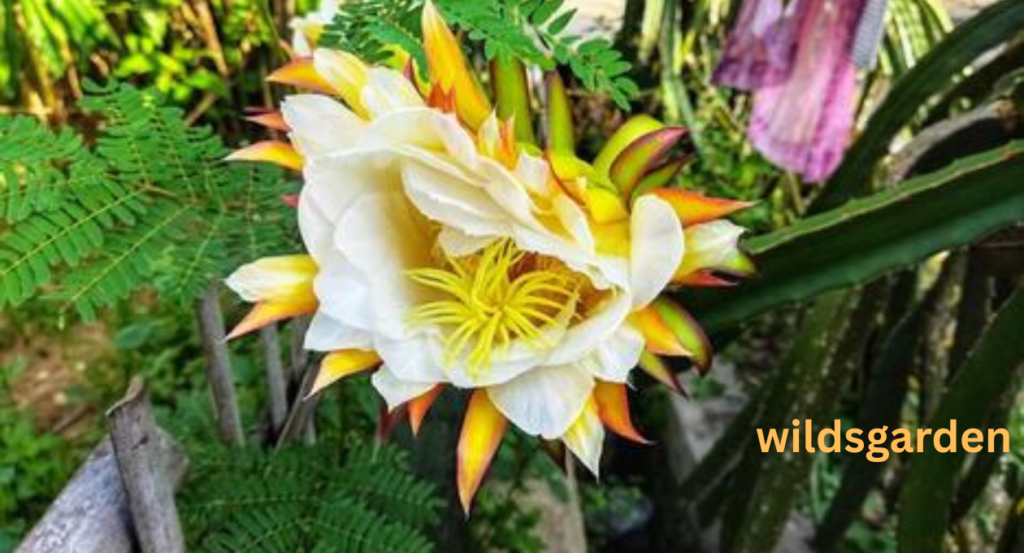
Growing and Caring for Dragon Flower
If you are thinking about growing a dragon flower, understanding its needs is essential. Since Dracula simia originates from high-altitude cloud forests, it prefers cool temperatures, high humidity, and filtered light. Direct sunlight can damage its delicate petals.
For Dracunculus vulgaris, the care requirements are slightly different. It grows well in well-drained soil and enjoys full sun to partial shade. This plant is relatively hardy and can tolerate mild winter conditions if properly mulched.
Watering should be consistent but not excessive. Overwatering can lead to root rot, especially in orchids. Maintaining proper airflow and humidity levels is crucial for healthy growth.
Because of its specific requirements, the dragon flower may not be ideal for beginners. However, with patience and proper care, it can become a stunning centerpiece in any garden or indoor plant collection.
Why Gardeners Love the Dragon Flower
Gardeners are drawn to the dragon flower because of its uniqueness. In a world filled with common garden blooms, this plant offers something rare and unforgettable. It sparks curiosity and often becomes a conversation starter.
Collectors especially value orchids like Dracula simia due to their rarity and exotic appeal. Meanwhile, outdoor gardeners appreciate the dramatic statement made by Dracunculus vulgaris in landscape designs.
The dragon flower is more than just a plant—it is an experience. From its mythical name to its captivating appearance, it continues to enchant plant enthusiasts worldwide.
Conclusion
The dragon flower stands as a symbol of mystery, strength, and rare beauty. Whether you choose the enchanting Dracula simia or the bold Dracunculus vulgaris, you are adding a truly extraordinary plant to your collection. With proper care and attention, this unique bloom can transform any garden space into something magical. If you are looking for a flower that combines drama, elegance, and symbolism, the dragon flower is a perfect choice.
faqs
1. What is a dragon flower?
The term “dragon flower” commonly refers to exotic plants with dramatic, dark-colored blooms. Two popular plants known by this name are Dracula simia (the monkey face orchid) and Dracunculus vulgaris (dragon arum). Both are admired for their unusual appearance and bold structure.
2. Why is it called a dragon flower?
It is called a dragon flower because of its fierce, dramatic look. The dark petals and unique shapes resemble mythical dragons, giving the plant a mysterious and powerful identity.
3. Is the dragon flower rare?
Yes, some varieties like Dracula simia are considered rare and are mainly found in high-altitude cloud forests of South America. They are not commonly available in regular garden centers and may require specialty nurseries.
4. Does the dragon flower have a strong smell?
Dracunculus vulgaris is known for producing a strong odor during its blooming period. The scent attracts pollinators like flies. However, the smell usually lasts only for a short time. Dracula simia does not typically have a strong unpleasant odor.
5. Can dragon flowers be grown at home?
Yes, dragon flowers can be grown at home, but they require specific care. Orchids like Dracula simia need high humidity, cool temperatures, and indirect light. Dragon arum prefers well-drained soil and partial to full sunlight.

