

A lawn says a lot about a home. It’s the first thing people notice when they pass by, and it’s the space where families relax, kids play, and memories are made. But here’s the question—what makes a lawn “just right”? Is it perfectly trimmed grass? A deep green color? Or is it something more? Let’s dig in and discover how to create a Just Right Lawns that feels balanced, healthy, and truly just right.
What Does “Just Right” Really Mean?
A just right lawn isn’t about perfection. It’s about balance. Too much water can drown your grass. Too little can dry it out. Cutting it too short weakens the roots, while letting it grow too long makes it look messy. The goal is finding that sweet spot where your lawn looks healthy, feels soft underfoot, and requires manageable care.
Think of your lawn like a recipe. Add the right ingredients in the right amounts, and you get something beautiful.
Choosing the Right Grass Type
Every region has its ideal grass type. Cool-season grasses like Kentucky bluegrass thrive in cooler climates, while warm-season grasses such as Bermuda grow best in hotter areas. Choosing the right grass for your environment makes maintenance easier and improves overall lawn health.
If you plant grass that doesn’t match your climate, you’ll constantly struggle to keep it alive. Start smart, and half the work is already done.
The Importance of Healthy Soil
Great lawns begin beneath the surface. Healthy soil provides nutrients, supports root growth, and helps retain moisture. Testing your soil once a year can reveal whether it needs adjustments like added fertilizer or lime.
Adding compost is one of the easiest ways to improve soil naturally. It boosts nutrients and improves drainage at the same time.
Watering the Right Way
Watering is where many homeowners go wrong. More water doesn’t mean better grass. In fact, overwatering can cause shallow roots and fungal problems. Most lawns need about one inch of water per week, including rainfall.
Water deeply but less frequently. Early morning is the best time, as it reduces evaporation and prevents disease.
Mowing for Success
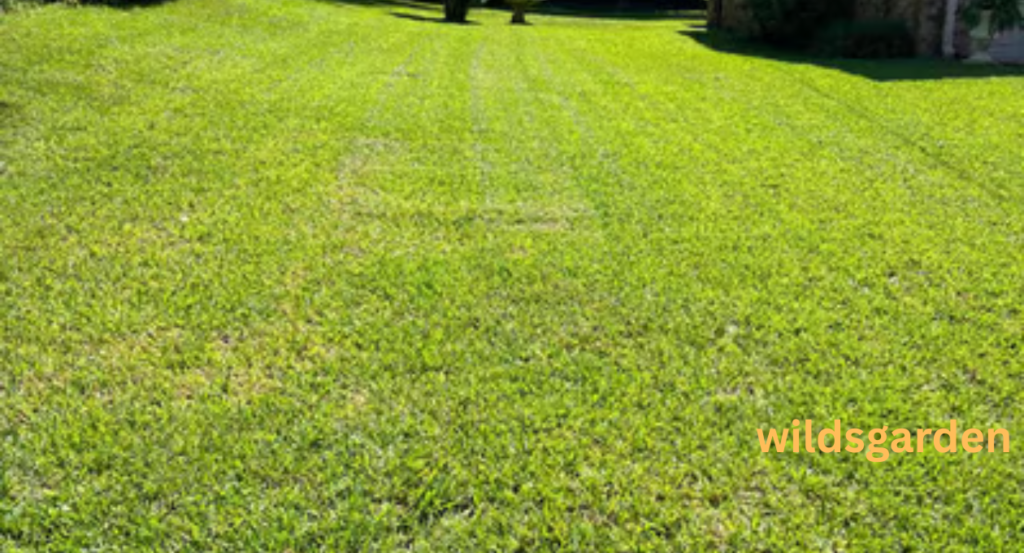
Mowing might seem simple, but it plays a huge role in lawn health. Cutting grass too short stresses it and invites weeds. A good rule is to never remove more than one-third of the grass blade at a time.
Keep mower blades sharp. Dull blades tear grass instead of cutting it cleanly, which can lead to browning.
Fertilizing Without Overdoing It
Fertilizer provides essential nutrients, but more isn’t always better. Apply fertilizer based on your grass type and season. Slow-release fertilizers are often the best option because they feed your lawn gradually.
Too much fertilizer can burn grass and harm the environment. Follow recommended guidelines for best results.
Weed and Pest Control
A healthy lawn naturally resists weeds and pests. Thick grass crowds out unwanted plants. If weeds appear, spot-treat them rather than spraying the entire yard.
Encouraging beneficial insects and maintaining proper mowing height also helps reduce pest problems.
Seasonal Lawn Care Tips
Each season requires a slightly different approach. In spring, focus on cleaning debris and applying fertilizer. Summer calls for careful watering and mowing. Fall is ideal for aeration and overseeding. Winter requires minimal activity but preparation for the next growing season.
Following a seasonal plan keeps your lawn balanced year-round.
The Benefits of a Just Right Lawn
A well-maintained lawn increases curb appeal, boosts property value, and provides a relaxing outdoor space. It also helps cool the surrounding area and improves air quality. Beyond looks, a healthy lawn supports the environment.
Conclusion
A just right lawn isn’t about achieving flawless perfection. It’s about understanding your grass, caring for your soil, and maintaining a healthy routine. With the right balance of watering, mowing, feeding, and seasonal care, your yard can thrive without becoming a full-time job. When you step outside and see vibrant green grass beneath your feet, you’ll know you’ve found that perfect balance.
FAQs
1. How often should I water my lawn?
Most lawns need about one inch of water per week, depending on weather conditions.
2. What is the best height to mow grass?
It depends on the grass type, but generally keeping grass around 2.5 to 3 inches tall is ideal.
3. How can I make my lawn greener naturally?
Improve soil health with compost and ensure proper watering and mowing practices.
4. When is the best time to fertilize?
Spring and fall are typically the best times, depending on your grass type.
5. How do I prevent weeds from taking over?
Maintain thick, healthy grass and mow at the correct height to naturally crowd out weeds.

