

California is one of the most important agricultural regions in the world, producing a large share of the fruits, vegetables, nuts, and dairy consumed across the United States. However, rapid urban development, rising land prices, and climate pressures threaten the future of farming in the state. This is where the California Farmland Trust plays a vital role. Its mission is to protect farmland, support farmers, and ensure that agricultural land remains productive for future generations.
What Is the California Farmland Trust?
The California Farmland Trust is a land conservation organization dedicated to preserving agricultural land across the state. It works by placing permanent protections on farmland so it cannot be converted into housing developments, commercial properties, or industrial use. These protections, often called conservation easements, allow farmers to continue working the land while ensuring it remains farmland forever.
By partnering with landowners, communities, and government agencies, the trust helps balance economic growth with the need to maintain California’s agricultural heritage.
Why Farmland Protection Matters in California
California loses thousands of acres of farmland every year due to urban expansion and infrastructure projects. Once farmland is paved over, it is almost impossible to restore. This loss affects not only farmers but also food security, rural economies, and the environment.
Protecting farmland helps:
- Maintain a stable local food supply
- Support farming families and rural jobs
- Reduce urban sprawl
- Protect soil, water, and wildlife habitats
The California Farmland Trust focuses on keeping high-quality agricultural land in production, especially in areas under strong development pressure.
How the California Farmland Trust Works
The trust primarily uses agricultural conservation easements. Through these agreements, landowners voluntarily limit future development on their land. In return, they may receive financial compensation or tax benefits, making it easier to keep their farms viable.
This approach allows farmers to:
- Pass land on to the next generation
- Invest in farm improvements
- Avoid selling land for development due to financial pressure
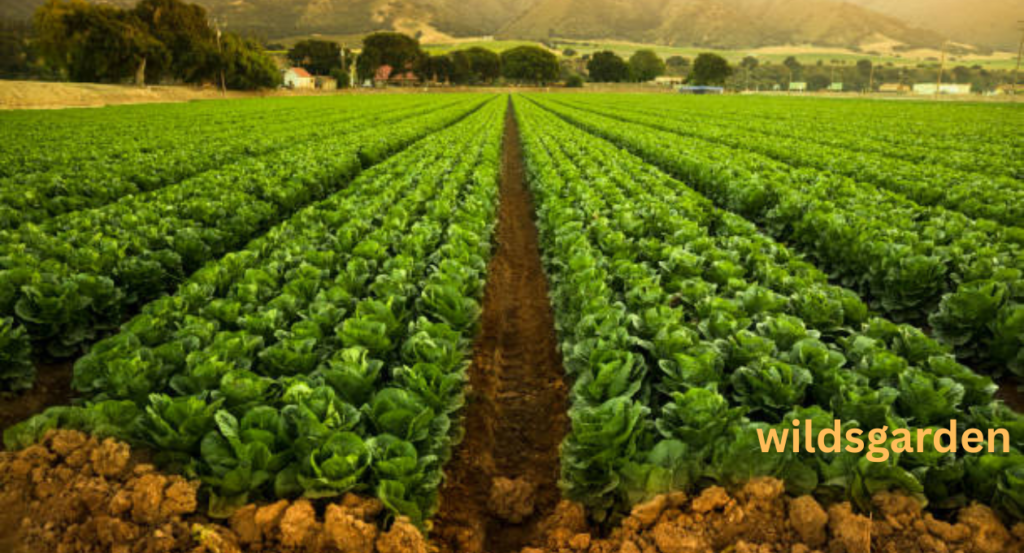
At the same time, the public benefits from long-term farmland preservation without the land being taken out of private ownership.
Supporting Farmers and Local Communities
Beyond land protection, the California Farmland Trust supports farmers by helping them navigate legal, financial, and conservation challenges. Many farmers face rising costs, water shortages, and market uncertainty. Preserving farmland gives them more stability and confidence to continue farming.
Local communities also benefit. Protected farmland preserves open spaces, strengthens local economies, and maintains the cultural identity of farming regions. It also supports agritourism, farmers’ markets, and local food systems.
Environmental Benefits of Farmland Conservation
Farmland conservation has major environmental advantages. Agricultural land, when well-managed, helps recharge groundwater, reduce flood risks, and store carbon in the soil. Compared to urban development, farmland generally uses fewer resources and produces less pollution.
The California Farmland Trust often encourages sustainable farming practices that protect soil health and water quality. This creates a long-term environmental benefit while keeping farms productive.
The Future of California Farmland
As California’s population grows and climate challenges increase, protecting farmland becomes even more important. The California Farmland Trust represents a proactive solution—one that values food production, environmental health, and community well-being.
By preserving land today, the trust ensures that future generations will still be able to farm, eat locally grown food, and enjoy California’s rich agricultural landscapes. Supporting farmland conservation is not just about saving land—it is about securing the future of agriculture itself.
Conclusion
The California Farmland Trust plays a crucial role in safeguarding the state’s agricultural future. By protecting farmland from permanent development, it ensures that farmers can continue growing food, supporting local economies, and caring for the environment. As pressures from urban growth and climate change increase, farmland conservation becomes more important than ever. Through long-term protection, community partnerships, and support for farmers, the California Farmland Trust helps preserve California’s rich farming heritage while securing a sustainable food system for generations to come.
FAQs
What is the California Farmland Trust?
The California Farmland Trust is an organization focused on protecting agricultural land from development so it can remain in farming permanently.
Why is farmland protection important in California?
Farmland protection helps maintain food security, supports farming communities, preserves open space, and reduces the environmental impact of urban sprawl.
How does the California Farmland Trust protect farmland?
It uses conservation easements that legally limit development on farmland while allowing farmers to continue owning and working their land.
Do farmers still own their land after working with the trust?
Yes, farmers keep ownership of their land. The trust only places restrictions to ensure the land remains used for agriculture.
Who benefits from farmland conservation?
Farmers, local communities, consumers, and the environment all benefit from preserved farmland and a stable local food system.

