

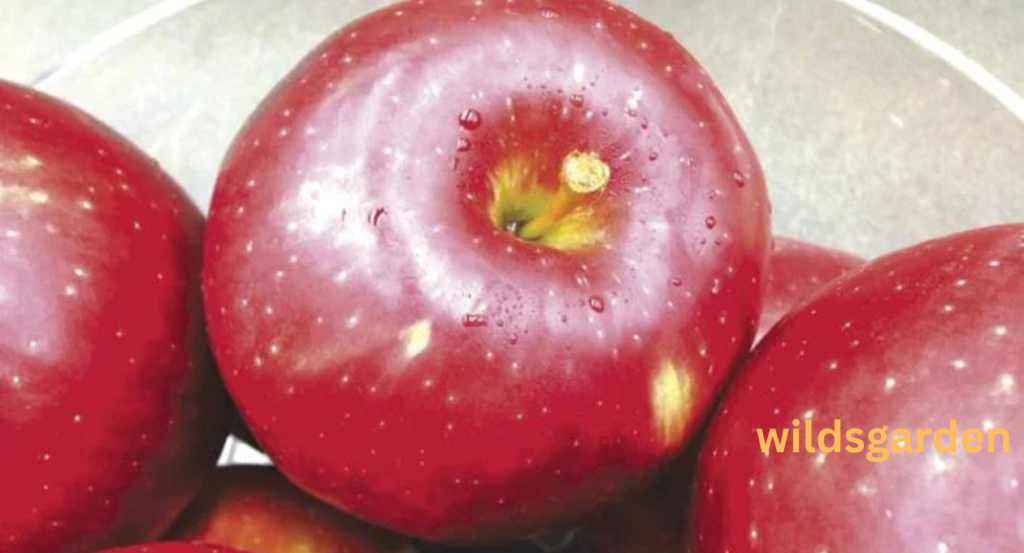
The Cosmic Crisp apple, known for its bright red color, long shelf life, and balanced sweet-tart flavor, quickly became one of the most talked-about apple varieties in the global fruit market. Developed by Washington State University (WSU) and launched commercially with high expectations, the apple also entered the spotlight for another reason: legal disputes commonly referred to as the Cosmic Crisp apple lawsuit. While the apple itself remains popular, the lawsuit raised important questions about intellectual property, grower rights, and branding in the agricultural industry.
Background of the Cosmic Crisp Apple
Cosmic Crisp, officially known as WA 38, was developed through decades of research by Washington State University. The university invested heavily in breeding, testing, and marketing the apple, positioning it as a premium variety for domestic and international markets. To protect this investment, WSU implemented strict licensing agreements that control who can grow, market, and sell Cosmic Crisp apples.
These agreements require growers to pay licensing fees and follow specific production and marketing guidelines. While many growers accepted these terms, tensions emerged as the apple gained popularity and commercial value.
What Triggered the Lawsuit?
The Cosmic Crisp apple lawsuit centers on alleged violations of trademark and licensing agreements. In general terms, disputes arose when certain parties were accused of using the Cosmic Crisp name or selling apples outside the agreed-upon licensing framework. Because “Cosmic Crisp” is a protected trademark, unauthorized use can be considered a violation of intellectual property law.
Some growers and distributors reportedly challenged the restrictions, arguing that the licensing terms were too limiting or financially burdensome. Others questioned whether enforcement actions were fair or consistent across the industry. These disagreements eventually led to legal action to clarify rights and responsibilities.
Key Legal Issues Involved
At the heart of the Cosmic Crisp apple lawsuit are several important legal questions:
- Trademark protection: Who has the right to use the Cosmic Crisp name, and under what conditions?
- Licensing enforcement: Can the trademark owner strictly control production, pricing, and marketing?
- Grower compliance: What penalties apply if licensing rules are violated, intentionally or unintentionally?
- Market competition: Do tight controls limit fair competition within the apple industry?
These issues are not unique to Cosmic Crisp but are increasingly common as universities and private breeders seek to protect high-value plant varieties.
Impact on Growers and the Apple Industry
For licensed growers, the lawsuit highlighted the importance of carefully following contract terms. Even small deviations—such as improper labeling or unauthorized sales channels—can lead to serious legal consequences. For unlicensed growers, the case served as a warning about using protected variety names without permission.
More broadly, the lawsuit sparked debate within the fruit industry about the balance between innovation and access. While intellectual property protections encourage research and development, overly strict enforcement can create frustration among farmers who feel excluded from profitable opportunities.
Consumer Perspective
From a consumer standpoint, the Cosmic Crisp apple lawsuit had little direct impact on availability or quality. Cosmic Crisp apples continue to be sold widely in grocery stores, and branding remains consistent. However, legal disputes behind the scenes can influence pricing, supply chains, and future variety development.
Conclusion
The Cosmic Crisp apple lawsuit underscores how modern agriculture increasingly intersects with intellectual property law. As new fruit varieties become valuable global brands, legal frameworks will play a larger role in shaping who benefits from innovation. For growers, breeders, and consumers alike, the case serves as a reminder that behind every popular apple is not just science and farming—but also contracts, trademarks, and the law.
faqs
1. What is the Cosmic Crisp apple lawsuit about?
The Cosmic Crisp apple lawsuit mainly involves disputes over trademark rights and licensing agreements. It focuses on who is legally allowed to grow, market, and sell apples under the “Cosmic Crisp” name.
2. Who owns the Cosmic Crisp apple trademark?
Washington State University (WSU) owns the Cosmic Crisp (WA 38) trademark and controls its use through licensing agreements with approved growers and distributors.
3. Why did legal issues arise around Cosmic Crisp apples?
Legal issues arose when some parties were accused of using the Cosmic Crisp name without authorization or violating the terms of licensing agreements, such as improper marketing or distribution.
4. Are Cosmic Crisp apples illegal to sell?
No, Cosmic Crisp apples are completely legal to sell when produced and marketed by licensed growers who follow the trademark and licensing rules set by the owner.
5. Did the lawsuit affect the availability of Cosmic Crisp apples?
The lawsuit did not significantly affect consumer availability. Cosmic Crisp apples remain widely available in grocery stores and markets.
6. Can any farmer grow Cosmic Crisp apples?
No, only growers who have signed official licensing agreements and paid required fees are allowed to grow and sell apples using the Cosmic Crisp name.

