

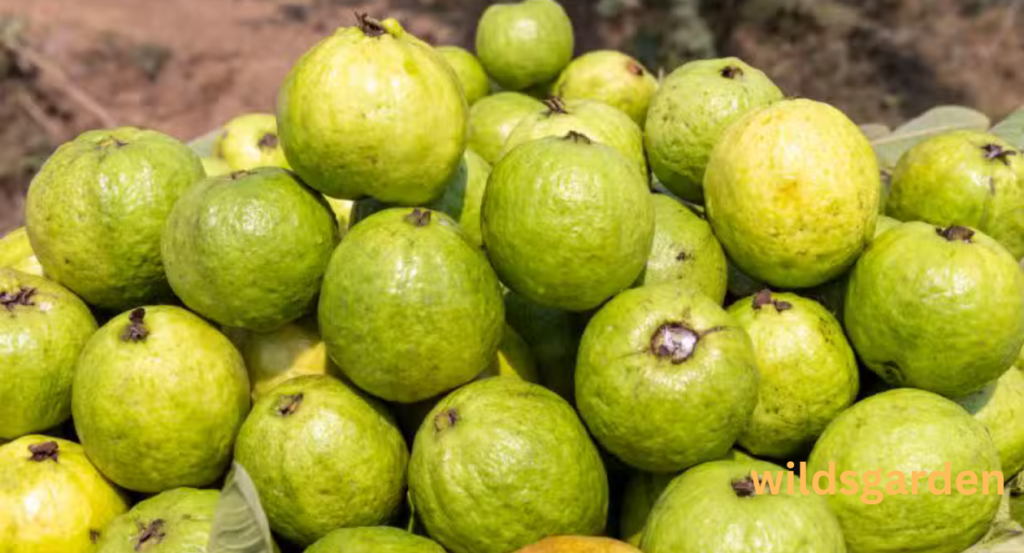
Guava is a popular tropical fruit known for its round shape, green or yellow skin, and sweet, fragrant flesh filled with tiny seeds. Because of its unique appearance, many people are surprised to learn that several other fruits that look like guava. Some share the same size and color, while others resemble guava once cut open.
Why Do Some Fruits Look Like Guava?
Many fruits resemble guava because they belong to the same plant family or grow in similar tropical and subtropical climates. Nature often repeats shapes and colors to protect fruits from animals or to help with seed dispersal. While these fruits may look alike, each has its own flavor and culinary use.
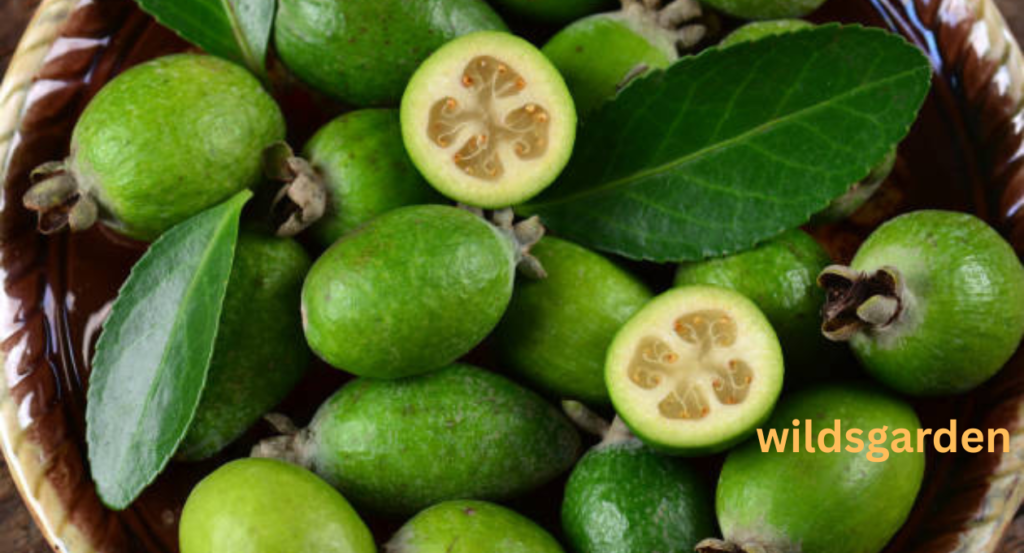
Feijoa (Pineapple Guava)
Feijoa, also known as pineapple guava, is one of the closest look-alikes to guava. It has green skin, an oval shape, and soft flesh with small seeds. When cut open, feijoa closely resembles guava, though its inside is more jelly-like.
The taste of feijoa is slightly tangy and sweet, with hints of pineapple and mint. It is commonly eaten fresh, scooped with a spoon, or used in desserts and smoothies.
Cattley Guava (Strawberry Guava)
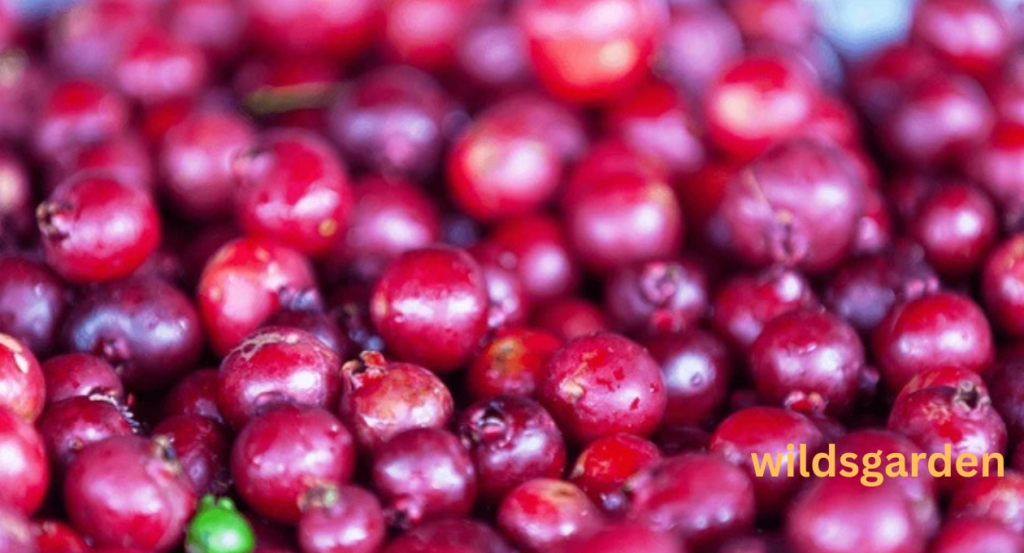
Cattley guava, often called strawberry guava, looks very similar to common guava but is usually smaller. It comes in red or yellow varieties, both with smooth skin and round shape.
Inside, it has white or pink flesh filled with small seeds, just like guava. The flavor is mildly sweet with a strawberry-like aroma, making it popular for jams, jellies, and juices.
Wax Apple (Rose Apple)
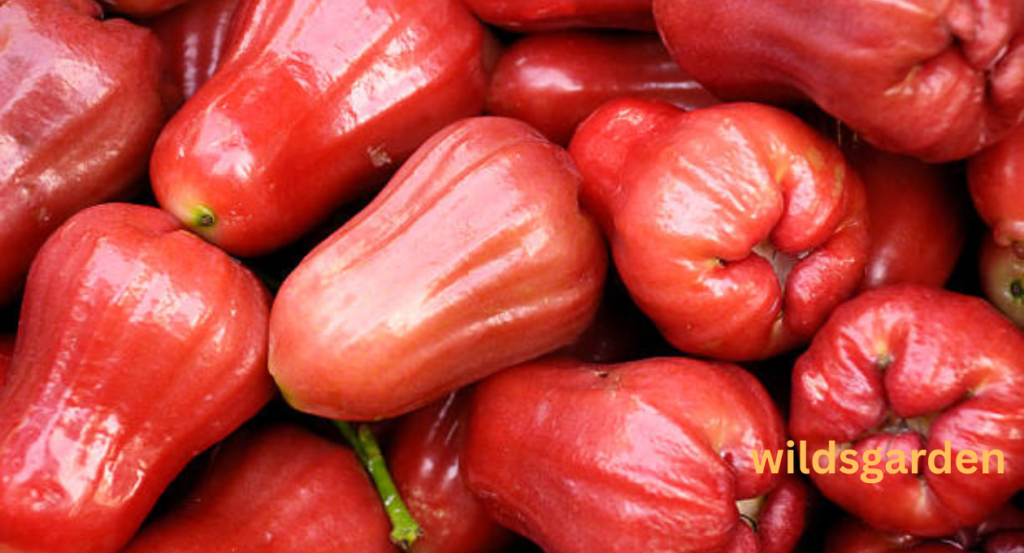
Wax apple, also known as rose apple, shares guava’s smooth skin and light green to pink color. Although its shape is more bell-like, people often confuse it with guava at first glance.
The flesh of wax apple is crisp, watery, and mildly sweet, unlike guava’s grainy texture. It is refreshing and commonly eaten fresh, especially in hot climates.
Pear Guava
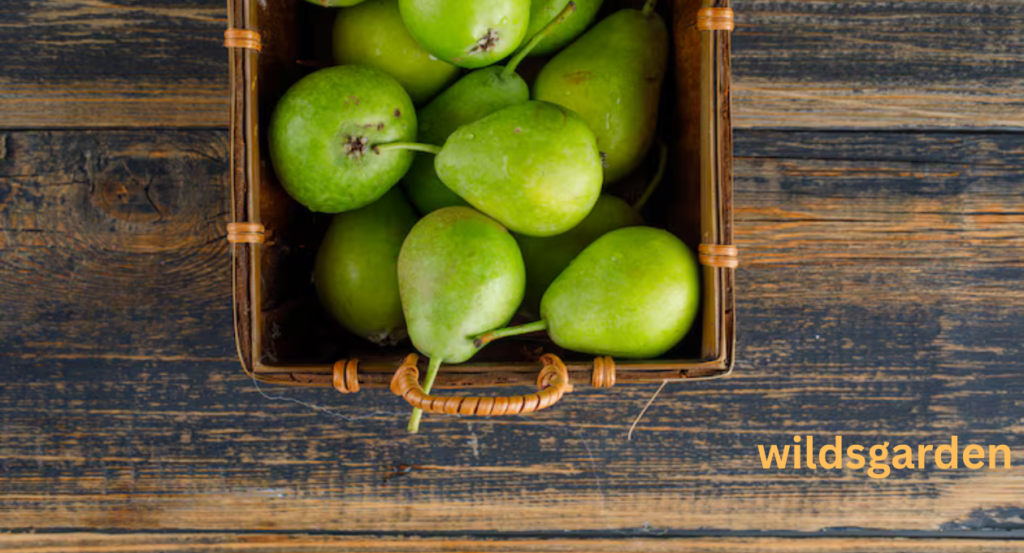
Pear guava is a variety of guava that looks like a cross between a pear and a regular guava. It has a slightly elongated shape but the same green skin and seed-filled interior.
Because it is technically a guava variety, its taste and nutritional value are very similar, making it an excellent substitute in recipes that call for guava.
Cas Guava (Sour Guava)
Cas guava resembles regular guava in size and shape but has a rougher skin. It is commonly found in Central America and parts of South Asia.
The fruit has a strong aroma and a sour taste, which makes it ideal for juices, candies, and preserves rather than eating raw. When sliced open, its appearance is almost identical to guava.
Are These Fruits Nutritionally Similar to Guava?
Most guava look-alikes are rich in vitamin C, fiber, and antioxidants. While the exact nutrient levels may vary, these fruits generally support digestion, immunity, and overall health, just like guava.
Conclusion
Guava isn’t the only fruit with its distinctive look. Fruits like feijoa, strawberry guava, wax apple, and cas guava closely resemble it in appearance, making them easy to confuse. Although they may look alike, each fruit offers a unique taste and culinary experience. Exploring these guava-like fruits is a great way to add variety and nutrition to your diet.
faqs
1. Which fruit looks most like guava?
Feijoa, also known as pineapple guava, looks very similar to guava. It has green skin, soft flesh, and small edible seeds, making it one of the closest look-alikes.
2. Is strawberry guava the same as regular guava?
No, strawberry guava is a different species, but it belongs to the same family. It is smaller in size and has a slightly sweeter, strawberry-like flavor compared to regular guava.
3. Does wax apple taste like guava?
Wax apple does not taste like guava. While it may look similar on the outside, its flesh is crisp, watery, and very mild in flavor, unlike guava’s sweet and aromatic taste.
4. Are guava look-alike fruits healthy?
Yes, most fruits that look like guava are healthy. They are rich in vitamins, especially vitamin C, fiber, and antioxidants, which support digestion and immunity.
5. Can feijoa be used as a substitute for guava?
Yes, feijoa can be used as a substitute for guava in many recipes such as smoothies, jams, and desserts, although the flavor is slightly tangier.

