

Mango is one of the most recognizable tropical fruits in the world. Its oval shape, smooth skin, and warm shades of yellow, orange, and red make it easy to spot in any fruit market. But what if you came across a fruit that looks just fruits that look like mango —yet isn’t one? Surprisingly, nature has created several fruits that closely resemble mango in shape, color, or size. Some are distant relatives, while others are simply visual twins. Let’s explore some fascinating fruits that look like mango and learn how they compare.
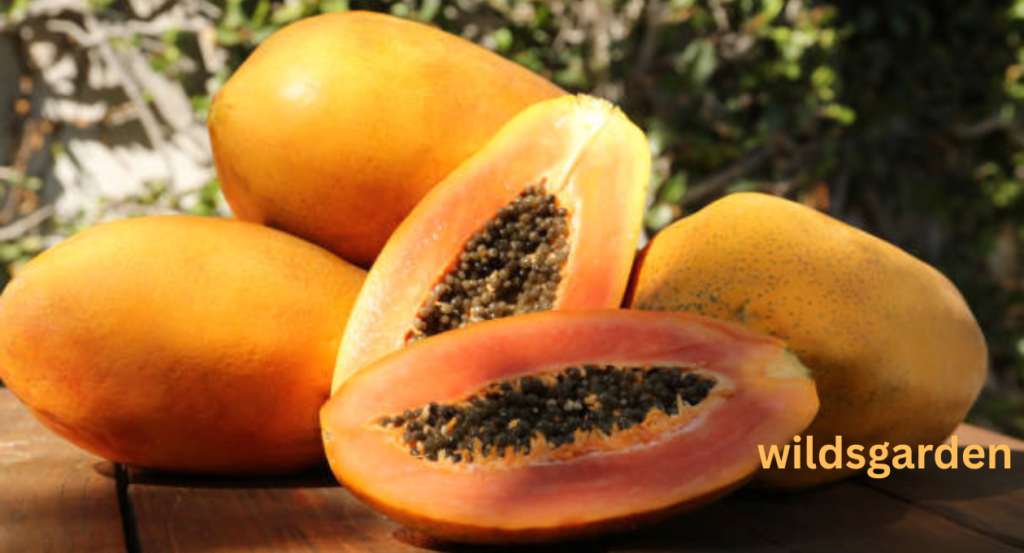
Papaya: The Most Common Mango Look-Alike
Papaya is often mistaken for an oversized mango, especially when it’s small or unripe. Its elongated shape, smooth green-to-yellow skin, and tropical origin make the resemblance even stronger. However, papaya is usually larger than a mango and turns fully yellow or orange when ripe.
Inside, the difference becomes obvious. Papaya has soft, orange flesh and a hollow center filled with black seeds, while mango has a single flat pit. Flavor-wise, papaya is milder and less tangy, with a musky sweetness. Still, at first glance on a fruit stand, papaya can easily pass for a mango cousin.
Canistel (Eggfruit): Mango’s Golden Twin
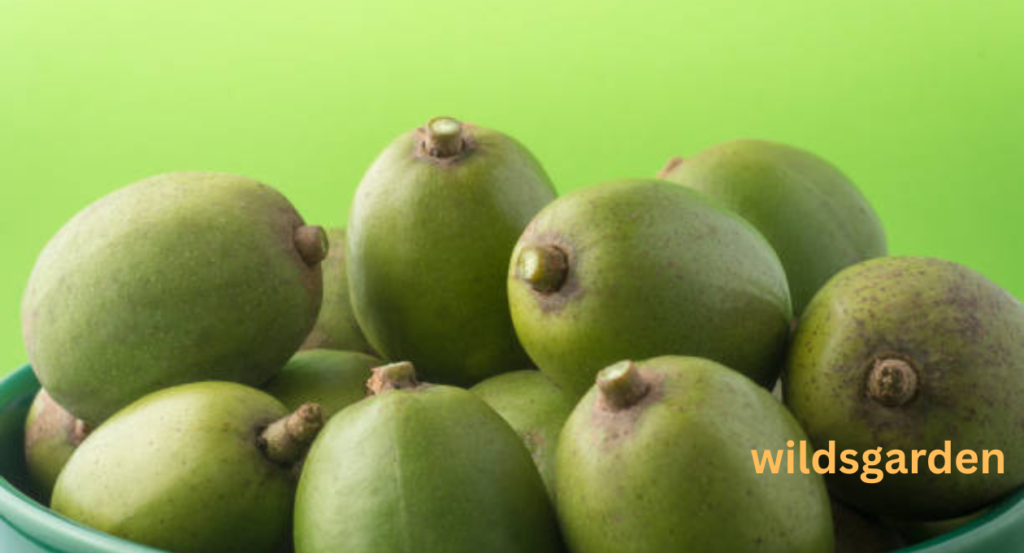
Canistel, also known as eggfruit, looks strikingly similar to a mango when ripe. It has a smooth, shiny yellow skin and an oval or slightly pointed shape. From the outside, even experienced fruit lovers can get confused.
The surprise comes when you cut it open. Canistel has dense, bright yellow flesh with a texture closer to a cooked egg yolk—hence the name eggfruit. The taste is sweet and rich, often compared to pumpkin pie or sweet potato. While the texture is very different from mango, the outer appearance is one of the closest matches.
Ambarella (June Plum): A Close Relative
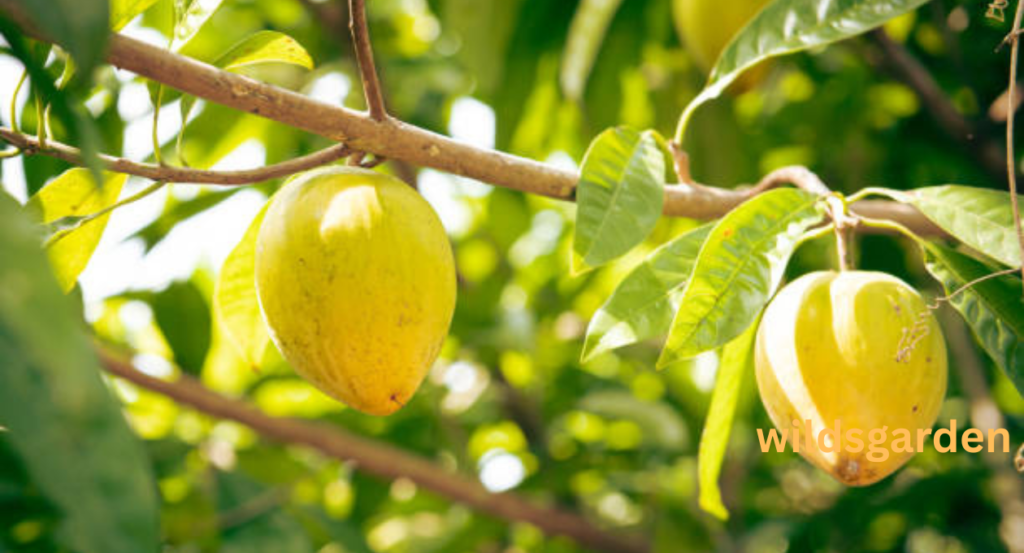
Ambarella, also called June plum or golden apple, belongs to the same botanical family as mango. That explains the resemblance. It has a smooth, green-to-yellow skin and an oval shape that closely mirrors mango varieties.
Ambarella is usually more fibrous and crunchy, especially when unripe. The flavor is tangy and slightly sour, becoming sweeter as it ripens. Because of its mango-like look and family connection, ambarella is often used in similar ways, such as juices, pickles, and chutneys.
Marian Plum: The Mini Mango
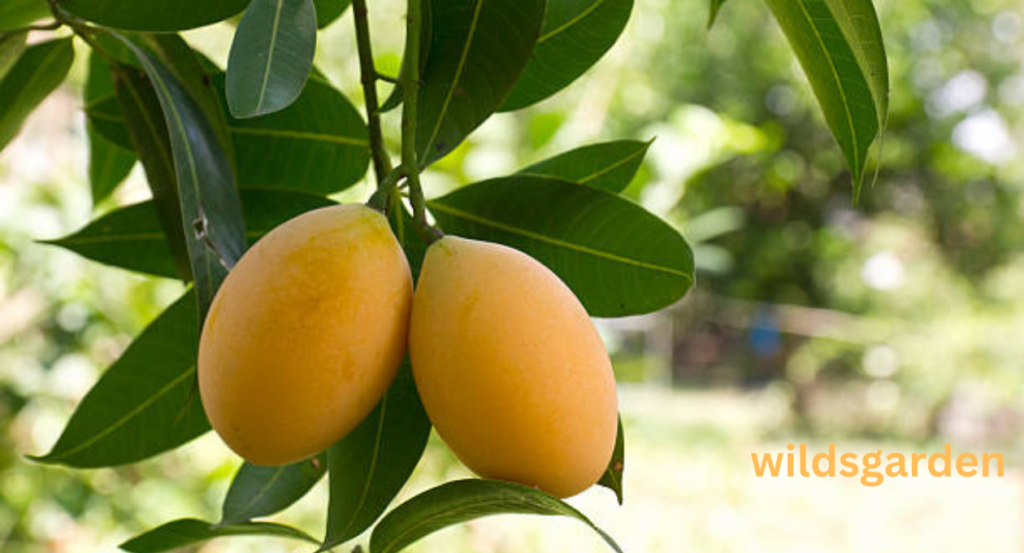
Marian plum, also known as maprang or plum mango, looks like a small mango in both shape and color. Popular in Southeast Asia, this fruit has a bright yellow skin and smooth, glossy surface that strongly resembles a miniature mango.
Its flavor is sweet with a mild tartness, making it one of the closest taste matches as well. The flesh is juicy and less fibrous than some mango varieties, which adds to the confusion for first-time tasters.
Peach: A Distant Visual Match
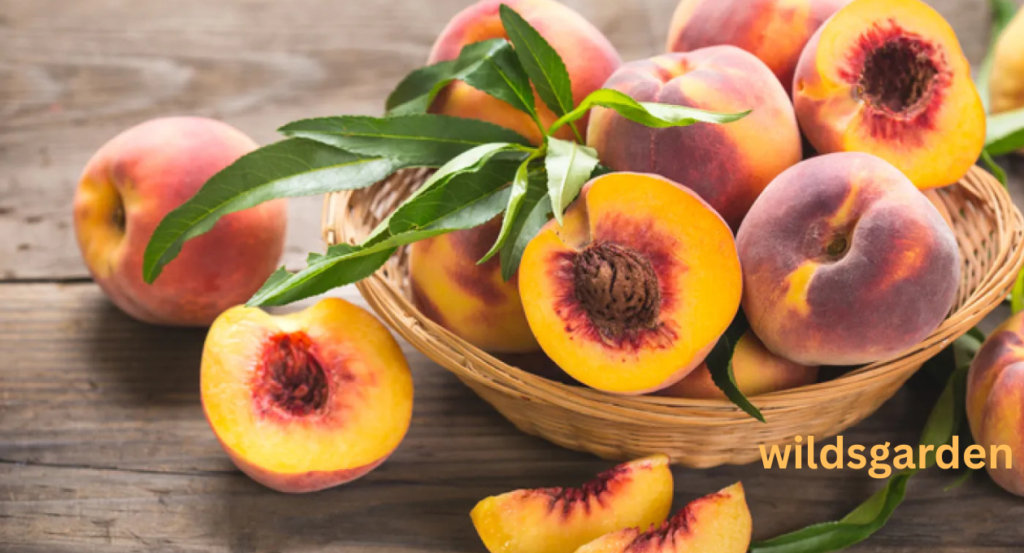
While peaches are not tropical fruits, certain peach varieties resemble mangoes in shape and color. Yellow peaches with a slightly elongated form can look mango-like from a distance.
The fuzzy skin quickly gives it away, but in terms of size and warm coloring, peaches sometimes make the list of mango look-alikes. Their flavor is different—juicier and more acidic—but visually, they can trick the eye.
Why So Many Fruits Look Like Mango
Mango-like shapes are common in fruits because oval forms protect seeds efficiently and grow well in warm climates. Over time, different fruit species evolved similar shapes and colors, even if they’re not closely related.
Conclusion
Mango may be unique in flavor, but it’s far from alone in appearance. From papaya and canistel to ambarella and Marian plum, many fruits share mango’s iconic look. Exploring these fruits is a fun way to expand your palate and appreciate the diversity of tropical produce.
FAQs
1. What fruit looks the most like a mango?
Canistel (eggfruit) and Marian plum are among the closest look-alikes due to their shape, smooth skin, and yellow color.
2. Are mango look-alike fruits related to mango?
Some are related, such as ambarella, which belongs to the same family, while others simply resemble mango in appearance.
3. Do mango-like fruits taste the same as mango?
Not always. While some have a similar sweetness, textures and flavors can vary widely.
4. Can mango look-alike fruits be eaten the same way?
Many can be eaten fresh or used in juices and desserts, but preparation methods may differ depending on the fruit.
5. Where are most mango look-alike fruits found?
Most are found in tropical and subtropical regions, especially in Southeast Asia, Africa, and Central America.

