

Cherry season is a much-anticipated time of year for fruit lovers around the world. Known for their vibrant color, juicy texture, and sweet-tart flavor, cherries signal the arrival of warmer months and fresh harvests. Whether enjoyed fresh, baked into desserts, or preserved for later use, cherries hold a special place in seasonal eating. Understanding cherry season helps consumers enjoy the best quality fruit while appreciating the work behind its production.
When Is Cherry Season?
Cherry season typically begins in late spring and extends through summer, depending on the region and cherry variety. In many temperate climates, the first cherries appear in May, with peak availability in June and July. Warmer regions often harvest earlier, while cooler areas may see cherries later in the summer. Because cherries have a relatively short harvest window, their season is brief but highly valued.
Popular Types of Cherries
There are two main categories of cherries: sweet cherries and sour cherries. Sweet cherries, such as Bing, Rainier, and Lapins, are commonly eaten fresh. They are plump, glossy, and rich in natural sugars. Sour cherries, including Montmorency, are more tart and are usually used for baking, jams, and sauces. Each type reaches peak ripeness at slightly different times, adding variety throughout the season.
Why Cherry Season Is So Special
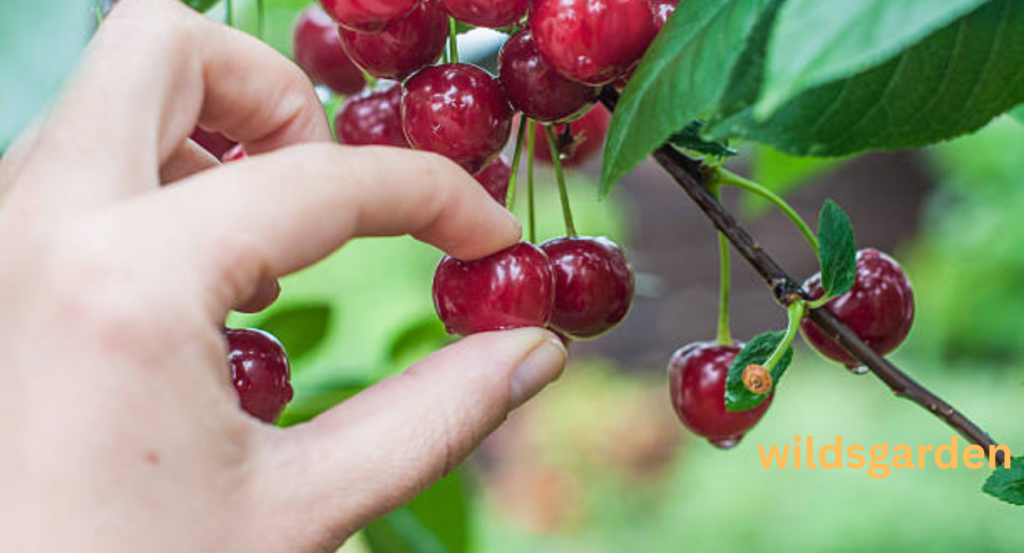
Cherry season is special because cherries do not continue to ripen after being harvested. This means they must be picked at just the right moment to ensure optimal flavor and sweetness. Farmers carefully monitor weather conditions, soil health, and fruit maturity to deliver high-quality cherries to markets. Fresh, in-season cherries offer better taste, texture, and nutritional value compared to those shipped long distances out of season.
Nutritional Benefits of Cherries
Cherries are not only delicious but also highly nutritious. They are rich in antioxidants, particularly anthocyanins, which give cherries their deep red color. These compounds help reduce inflammation and support heart health. Cherries are also a good source of vitamin C, potassium, and fiber. Regular consumption during cherry season can support digestion, immune function, and overall wellness.
Economic Importance of Cherry Season
For many farming communities, cherry season is a crucial period of economic activity. Harvesting cherries requires skilled labor, careful handling, and quick transportation to prevent spoilage. A successful season can significantly impact farmers’ incomes and local economies. Conversely, unfavorable weather such as late frosts, heavy rain, or heatwaves can reduce yields and affect supply and prices.
How Weather Affects Cherry Season
Weather plays a major role in determining the success of cherry season. Cherries are sensitive to frost during flowering and excessive rain during ripening, which can cause fruit cracking. Extended heat can also stress trees and reduce fruit quality. As climate patterns become less predictable, growers face increasing challenges in maintaining consistent harvests.
Best Ways to Enjoy Cherries
Fresh cherries are perfect for snacking, fruit salads, and smoothies. They are also widely used in pies, tarts, and cakes. Sour cherries shine in preserves, sauces, and traditional recipes. During peak cherry season, many people freeze or dry cherries to enjoy their flavor year-round.
Conclusion
Cherry season is a short but joyful time that celebrates freshness, flavor, and nutrition. From farm to table, cherries represent careful cultivation and seasonal abundance. By enjoying cherries during their peak season, consumers experience the best taste while supporting local agriculture. As environmental challenges grow, appreciating and protecting cherry season becomes even more important for future harvests
Faqs
1. When does cherry season start and end?
Cherry season usually starts in late spring and lasts through early to mid-summer. In many regions, cherries are available from May to July, with peak freshness in June.
2. Why is cherry season so short?
Cherries have a short harvest window because they ripen quickly and do not continue to ripen after picking. This makes timing critical and limits their availability.
3. What are the most popular types of cherries?
Popular sweet cherry varieties include Bing, Rainier, and Lapins, while Montmorency is a well-known sour cherry commonly used for baking and preserves.
4. How can I tell if cherries are fresh?
Fresh cherries should be firm, plump, and shiny with bright green stems. Avoid cherries that are soft, wrinkled, or have brown, dry stems.
5. Are cherries healthy to eat?
Yes, cherries are rich in antioxidants, vitamin C, potassium, and fiber. They support heart health, reduce inflammation, and aid digestion.

