

When we think of flowers, images of vibrant roses, delicate lilies, or colorful tulips often come to mind. However, nature isn’t always about traditional beauty. Some flowers are celebrated—or infamous—for their unusual, bizarre, or even downright ugly appearances. Among these, one stands out as perhaps the ugliest flower in the world: the Rafflesia arnoldii, often called the “corpse flower.” While it may not win any beauty contests, its unique features make it a fascinating subject for botanists and nature enthusiasts alike.
What Makes the Rafflesia Arnolii So Unusual?
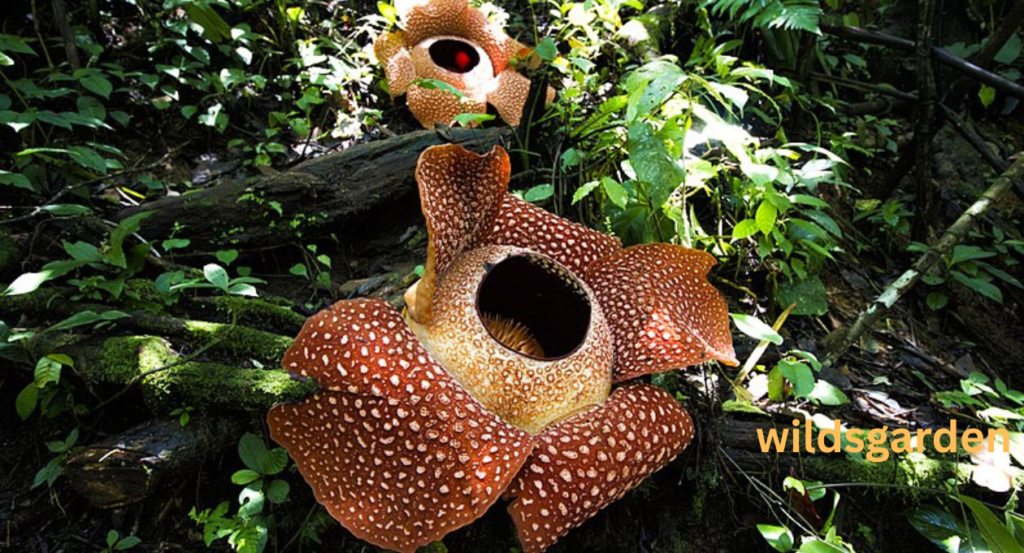
The Rafflesia arnoldii is famous not for its charm but for its massive size and distinctive odor. Native to the rainforests of Southeast Asia, particularly Indonesia and Malaysia, it produces the largest single flower in the world, with some blooms reaching over three feet (about one meter) in diameter. Its appearance is striking: a reddish-brown, fleshy bloom with thick, leathery petals covered in wart-like spots.
But what truly sets it apart is its unpleasant smell, often compared to rotting meat. This foul odor earned it the nickname “corpse flower” and serves a critical purpose in nature—it attracts carrion flies and beetles that pollinate the flower. While it may repel humans, it is perfectly designed for its ecological niche.
Unique Biological Features
The Rafflesia arnoldii is a parasitic plant, meaning it does not have leaves, stems, or roots of its own. Instead, it depends entirely on a host vine, usually from the Tetrastigma genus, to survive. The flower grows directly from the vine, drawing nutrients from it, and remains hidden most of the year until it blooms.
Blooming is rare and short-lived. A single flower can take up to nine months to develop, but it only lasts for a few days before wilting. This brief window makes spotting a fully bloomed Rafflesia a rare and exciting event for scientists and travelers.
Other Contenders for “Ugliest Flower
While Rafflesia arnoldii often takes the title of the ugliest flower, there are other flowers that could compete for this honor. For example:
- Amorphophallus titanum – Another corpse flower, this species produces an enormous inflorescence and emits a strong odor of decay to attract pollinators.
- Dracunculus vulgaris – Known as the dragon lily, it has a dark purple, almost black spathe and emits a foul smell.
- Hydnora africana – Native to southern Africa, this parasitic plant grows underground and emerges with a strange, fleshy flower that smells like feces to attract beetles for pollination.
These flowers demonstrate that what humans consider “ugly” may serve a vital ecological purpose, showing that beauty in nature is highly subjective.
Why People Are Fascinated by Ugly Flowers
Despite their off-putting looks or odors, flowers like the Rafflesia arnoldii attract considerable attention. Ecotourism, photography, and scientific research all thrive around these rare blooms. Their unusual adaptations are reminders of nature’s creativity and resilience. Some scientists even study these flowers to understand plant evolution, parasitic relationships, and pollination strategies.
Lessons from Nature’s “Ugliest” Flower
The Rafflesia arnoldii and other unusual blooms challenge our conventional ideas of beauty. They show that functionality, survival, and ecological balance can be more important than aesthetics. While humans may prefer visually appealing flowers for gardens and bouquets, these so-called ugly flowers are marvels of evolution, perfectly adapted to their environment and playing a critical role in their ecosystems.
Conclusion
The title of the ugliest flower may go to the Rafflesia arnoldii, but its strangeness is what makes it extraordinary. From its enormous size and parasitic lifestyle to its foul odor and short bloom period, this flower exemplifies nature’s ability to surprise and intrigue. By appreciating flowers beyond their surface beauty, we gain a deeper understanding of the diversity and complexity of the natural world.
faqs
Q1: What is considered the ugliest flower in the world?
The Rafflesia arnoldii, also known as the “corpse flower,” is often called the ugliest flower due to its large size, fleshy appearance, and strong odor of rotting flesh.
Q2: Where is the Rafflesia arnoldii found?
It is native to the rainforests of Southeast Asia, primarily in Indonesia and Malaysia.
Q3: Why does the Rafflesia smell like rotting meat?
The foul smell attracts carrion flies and beetles, which are its natural pollinators. This adaptation helps the plant reproduce.
Q4: How big can the Rafflesia flower grow?
Rafflesia arnoldii can reach up to three feet (about one meter) in diameter, making it the largest single flower in the world.
Q5: How long does the Rafflesia bloom last?
The flower takes several months to develop but only lasts a few days before wilting.

