

Broccoli is a staple vegetable in many households, valued for its nutritional benefits, versatility in cooking, and affordability. However, in recent times, many regions around the world have experienced a noticeable broccoli shortage, leading to higher prices and limited availability in markets and grocery stores. This shortage has raised concerns among consumers, farmers, and food businesses alike. Understanding the reasons behind the broccoli shortage and its wider impact can help people adapt and make informed choices.
What Is Causing the Broccoli Shortage?
One of the main reasons for the broccoli shortage is unfavorable weather conditions. Broccoli is a cool-season crop that requires specific temperatures and consistent rainfall to grow properly. Extreme heat, unexpected frost, droughts, and heavy rains have damaged crops in major broccoli-producing regions. Climate change has made weather patterns more unpredictable, increasing the risk of crop failure.
Another contributing factor is rising production costs. Farmers are facing higher expenses for seeds, fertilizers, fuel, and labor. In some cases, growers have reduced the acreage dedicated to broccoli in favor of crops that offer better profit margins. This reduction in supply directly affects how much broccoli reaches the market.
Labor shortages also play a significant role. Harvesting broccoli is labor-intensive, and a lack of available farm workers can delay harvesting or lead to crops going unpicked. This issue has been particularly challenging in regions that rely on seasonal or migrant labor.
Supply Chain Disruptions
Even when broccoli is successfully grown, supply chain issues can limit its availability. Transportation delays, higher fuel costs, and logistical challenges make it harder to move fresh produce quickly from farms to stores. Since broccoli is highly perishable, any delay can result in spoilage, reducing the amount that reaches consumers.
Additionally, global trade disruptions have affected imports and exports. Countries that rely on imported broccoli may experience shortages when exporting nations face production problems or prioritize domestic supply.
Impact on Prices and Consumers
The most noticeable effect of the broccoli shortage is higher prices. When supply decreases and demand remains strong, prices naturally rise. Shoppers may find broccoli costing significantly more than usual, making it less accessible for budget-conscious families.
Restaurants and food businesses also feel the impact. Many establishments rely on broccoli for popular dishes, salads, and side items. To manage rising costs, some restaurants reduce portion sizes, raise menu prices, or substitute broccoli with alternative vegetables.
Nutritional and Dietary Concerns
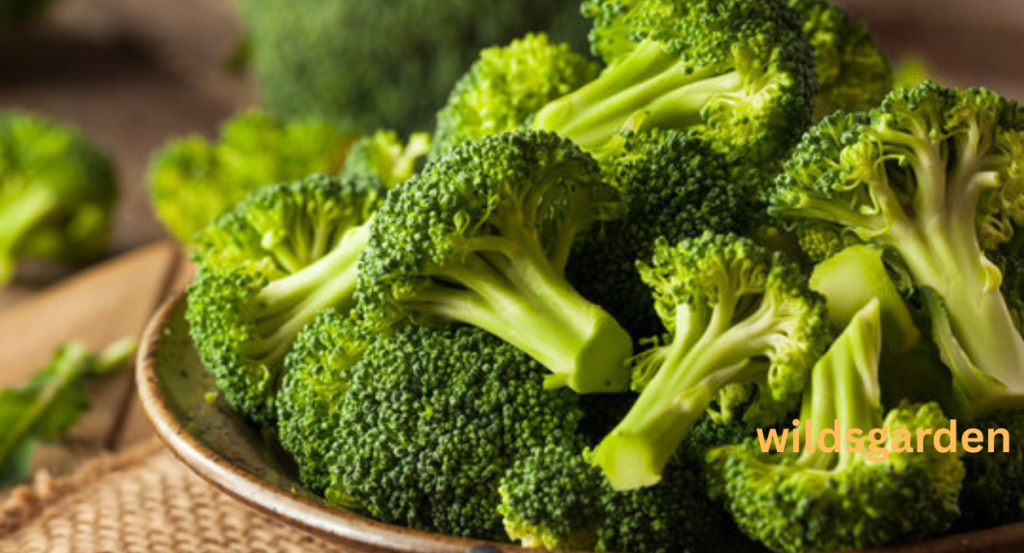
Broccoli is known for being rich in vitamins C and K, fiber, and antioxidants. A prolonged shortage can affect dietary habits, especially for people who rely on broccoli as a key source of nutrients. While other vegetables can provide similar benefits, sudden changes in availability may disrupt meal planning and healthy eating routines.
How Consumers Can Adapt
During a broccoli shortage, flexibility is key. Consumers can explore alternative vegetables such as cauliflower, green beans, Brussels sprouts, or spinach, which offer comparable nutritional value. Buying seasonal and locally grown produce can also help reduce dependence on limited supplies.
Freezing broccoli when it is available at a reasonable price is another practical option. Frozen broccoli retains most of its nutrients and can be stored for longer periods, helping households manage shortages more effectively.
Looking Ahead
The broccoli shortage highlights the broader challenges facing modern agriculture, including climate change, labor issues, and supply chain vulnerabilities. Long-term solutions may involve investing in climate-resilient farming practices, improving supply chain efficiency, and supporting local farmers.
While the shortage may ease as growing conditions improve, it serves as a reminder of how interconnected the food system is. By staying informed and adaptable, consumers can navigate broccoli shortages with less stress and continue to maintain balanced, nutritious diets.
Conclusion
The broccoli shortage is a clear example of how environmental, economic, and logistical challenges can affect everyday food supplies. Unpredictable weather, rising farming costs, labor shortages, and supply chain disruptions have all contributed to reduced availability and higher prices of this popular vegetable. While the shortage creates difficulties for consumers, farmers, and businesses, it also encourages flexibility in food choices and greater awareness of where our food comes from. By choosing alternative vegetables, supporting local producers, and planning meals wisely, consumers can lessen the impact. In the long run, investing in sustainable agriculture and resilient supply systems will be essential to prevent similar shortages in the future.
Faqs
Q1: Why is there a broccoli shortage right now?
The broccoli shortage is mainly caused by extreme weather conditions, climate change, higher production costs, labor shortages, and transportation challenges that disrupt the supply chain.
Q2: How long will the broccoli shortage last?
The duration of the shortage depends on weather patterns, crop recovery, and supply chain improvements. In many cases, shortages ease once growing conditions stabilize and new harvests reach the market.
Q3: Why has the price of broccoli increased?
When broccoli supply is limited and demand remains high, prices naturally rise. Increased farming, labor, and transportation costs also contribute to higher retail prices.
Q4: What vegetables can I use instead of broccoli?
Good alternatives include cauliflower, Brussels sprouts, spinach, kale, green beans, and asparagus. These vegetables offer similar nutrients and can be used in many of the same recipes.
Q5: Is frozen broccoli a good option during a shortage?
Yes, frozen broccoli is a practical alternative. It retains most of its nutritional value, has a longer shelf life, and is often more affordable during fresh produce shortages.

