

Fruits come in a wide variety of shapes, colors, and flavors, but one interesting feature many fruits share is the presence of black seeds. These seeds are not only important for reproduction but also help identify different fruit varieties. From tropical favorites to everyday Fruit With Black Seeds are commonly found inside fruits we eat regularly.
Why Do Some Fruits Have Black Seeds?
Black seeds develop as fruits mature and the seeds harden. The dark color often indicates that the seed is fully developed and ready for germination. In many fruits, black seeds provide protection against damage and help the plant survive harsh conditions. While seeds are usually discarded, some are edible and even nutritious.
Watermelon
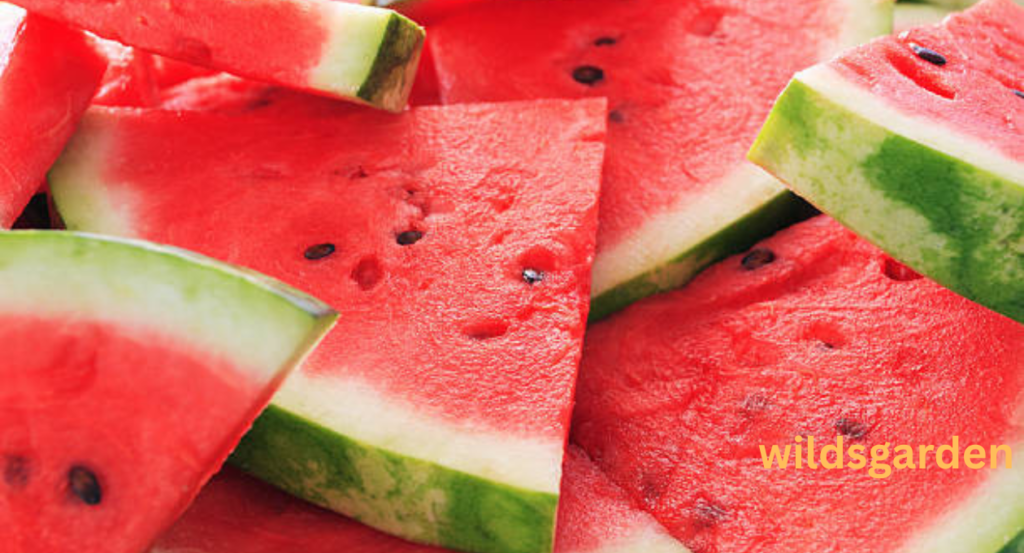
Watermelon is one of the most well-known fruits with black seeds. These large, oval-shaped seeds are scattered throughout the juicy red flesh. Black watermelon seeds are mature and capable of growing into new plants, unlike white seeds, which are immature. In some cultures, roasted watermelon seeds are eaten as a healthy snack.
Papaya
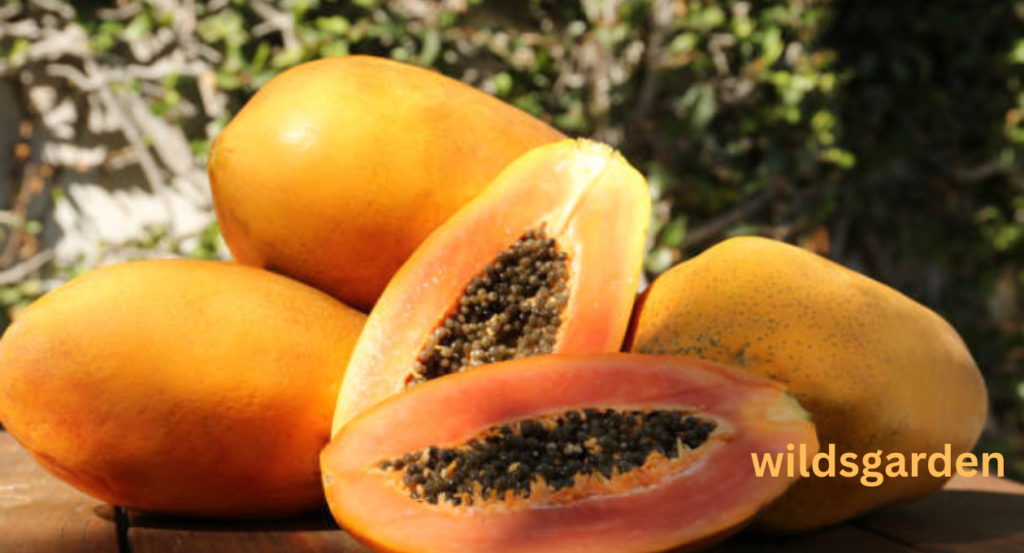
Papaya contains many round, glossy black seeds clustered in the center of the fruit. These seeds have a strong, peppery taste and are sometimes used as a spice or natural digestive aid. Although the flesh of papaya is sweet and soft, the black seeds offer a sharp contrast in both color and flavor.
Kiwi
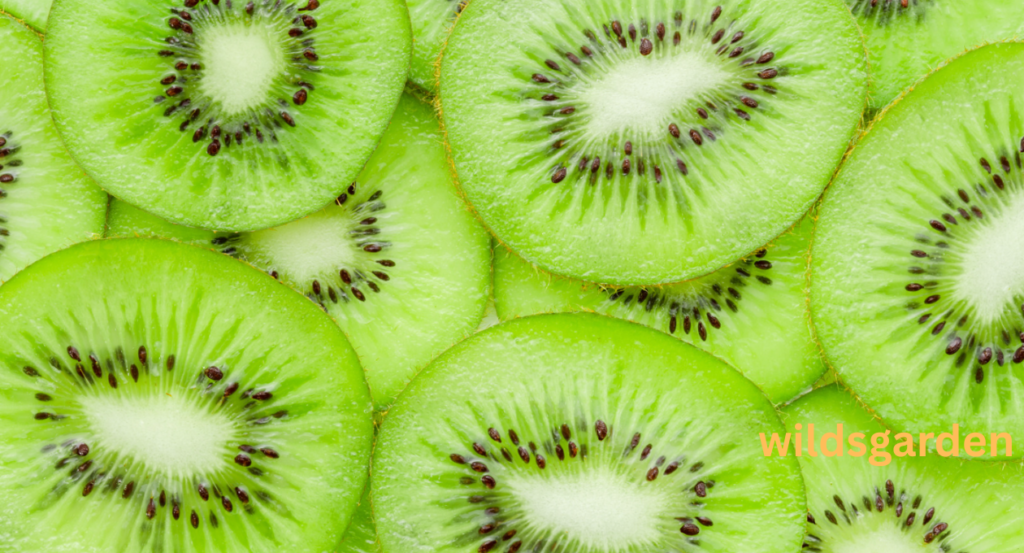
Kiwi is a small fruit packed with tiny black seeds evenly distributed throughout its bright green flesh. These seeds are completely edible and add a slight crunch to the fruit. Kiwi seeds are rich in fiber and nutrients, making them beneficial to health.
Dragon Fruit
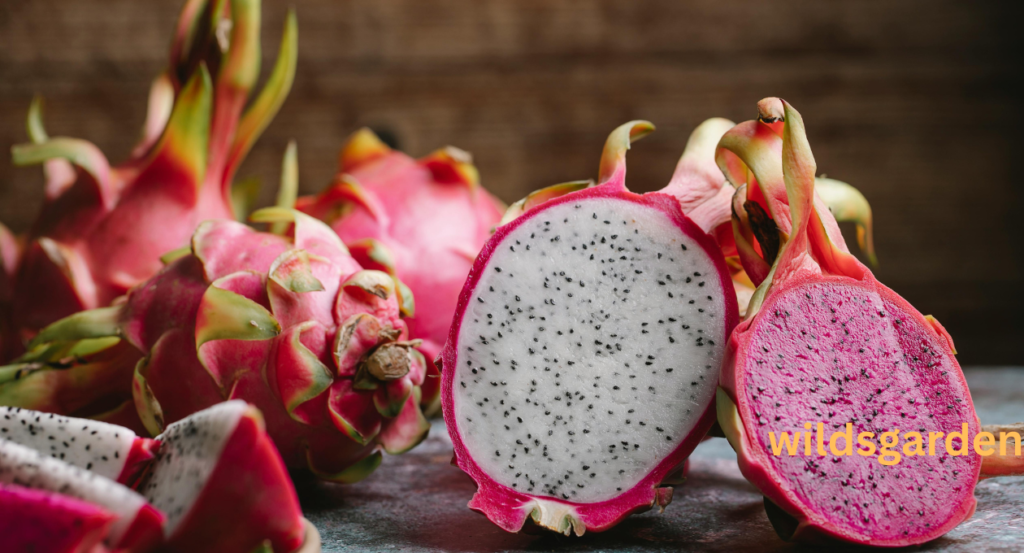
Dragon fruit, also known as pitaya, has soft white or pink flesh filled with tiny black seeds. These seeds are similar in size to kiwi seeds and are safe to eat. Dragon fruit seeds are rich in omega-3 fatty acids and help improve digestion.
Passion Fruit
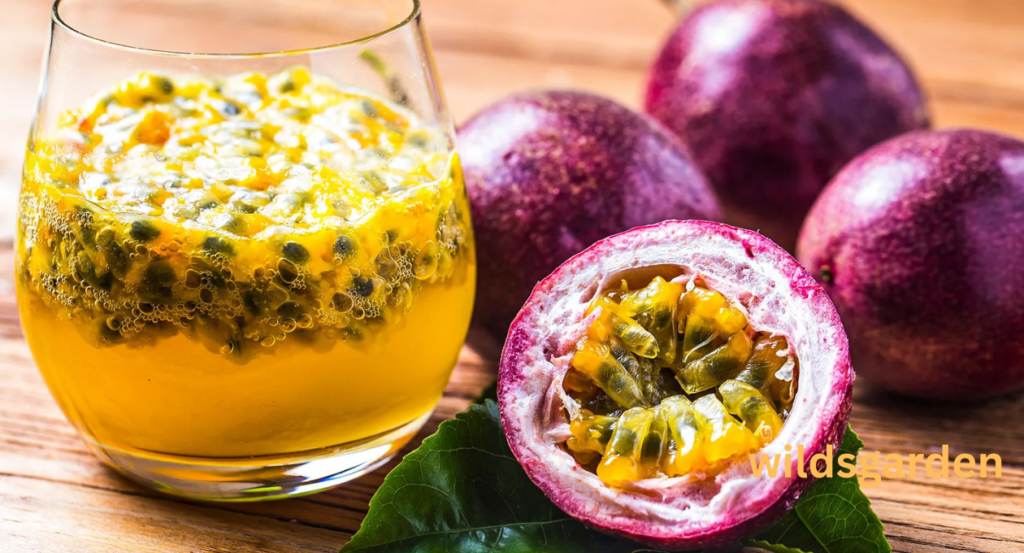
Passion fruit contains numerous black seeds surrounded by juicy pulp. The seeds are crunchy and edible, adding texture to juices and desserts. The contrast between the yellow-orange pulp and black seeds makes passion fruit visually appealing and flavorful.
Guava
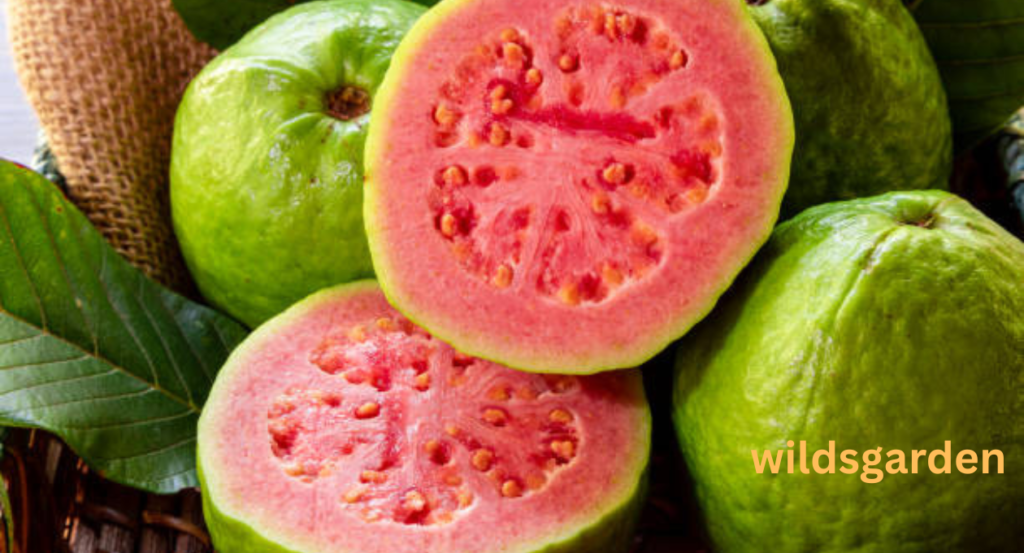
Guava fruits contain many small, hard black seeds embedded in their flesh. While the flesh can be sweet or slightly sour, the seeds are often tough and sometimes avoided when eating. However, guava seeds are rich in fiber and antioxidants.
Pomegranate
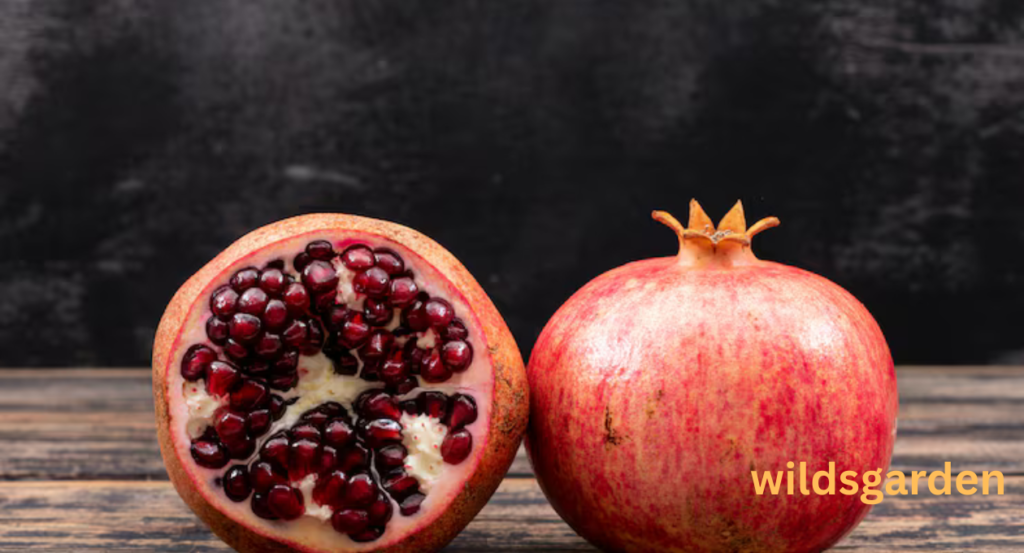
Although pomegranate seeds are often referred to as arils, the actual seed inside is dark and hard. The outer layer is juicy and red, while the inner black seed is crunchy. Pomegranate seeds are known for their health benefits, including improved heart health.
Benefits of Fruits With Black Seeds
Fruits with black seeds are often rich in nutrients, antioxidants, and dietary fiber. The seeds themselves may contain healthy fats, proteins, and minerals. Eating fruits with edible seeds can improve digestion and support overall health.
Conclusion
Fruits with black seeds are common in nature and offer both nutritional and visual appeal. From watermelon and papaya to kiwi and dragon fruit, these fruits provide a variety of flavors and health benefits. Understanding the role of black seeds helps us appreciate the complexity and beauty of fruits and encourages healthier eating habits.
Faqs
1. Why do some fruits have black seeds?
Black seeds usually indicate that the seeds are fully mature. The dark color helps protect the seed and improves its chances of germination and survival.
2. Are black seeds in fruits safe to eat?
Many black seeds, such as those in kiwi, papaya, and dragon fruit, are safe to eat. However, some seeds may be hard or bitter and are often avoided.
3. Which fruit is most famous for having black seeds?
Watermelon is one of the most well-known fruits with black seeds. These seeds are large and easy to recognize inside the fruit.
4. Can fruit seeds be nutritious?
Yes, many fruit seeds contain fiber, healthy fats, and antioxidants. Edible seeds can support digestion and overall health.
5. Do black seeds affect the taste of fruit?
In most cases, black seeds do not affect the taste of the fruit flesh. However, some seeds, like papaya seeds, have a peppery flavor.

