

Pokeweed (Phytolacca americana) is a striking plant commonly found across North America. With its tall growth, reddish-purple stems, large green leaves, and clusters of dark purple berries, it easily catches attention. However, pokeweed is also toxic to humans and animals if consumed improperly, which makes correct identification very important. Many plants resemble pokeweed at different growth stages, leading to frequent confusion. In this article, we’ll explore common pokeweed look alikes, how to tell them apart, and why accurate identification matters.
What Is Pokeweed?
Pokeweed is a perennial plant that can grow up to 10 feet tall. It typically appears in disturbed areas such as roadsides, fields, and gardens. In summer, it produces greenish-white flowers that later turn into drooping clusters of shiny purple-black berries. Despite its attractive appearance, all parts of the plant—especially the roots and berries—are poisonous if eaten raw.
Why Pokeweed Look Alikes Cause Confusion
Many pokeweed look alikes share similar features, such as large leaves, upright growth, or dark berries. Some of these plants are harmless, while others are also toxic. The confusion often occurs during early growth stages when plants have not yet developed distinctive flowers or fruit. This makes it essential to learn the key differences between pokeweed and similar species.
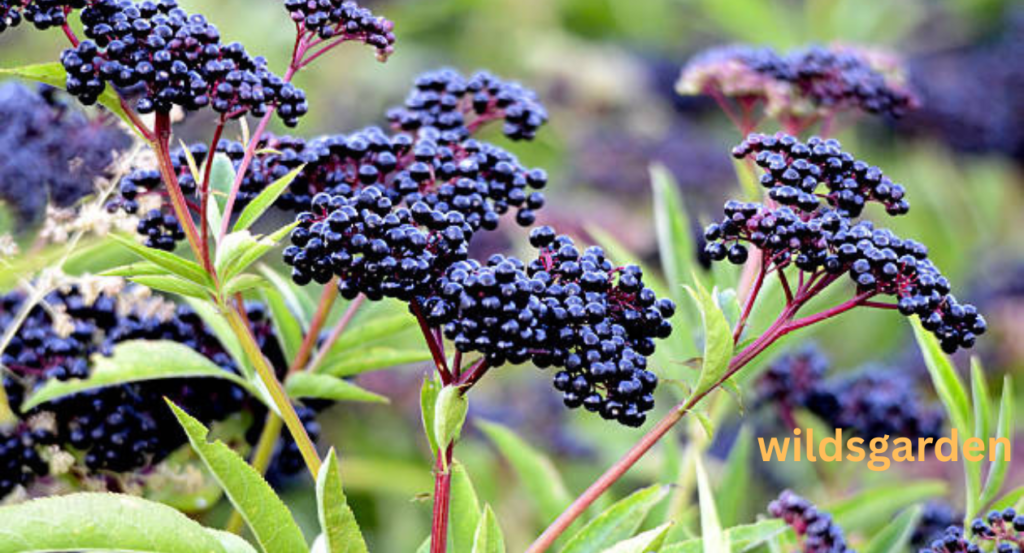
Elderberry
Elderberry is one of the most commonly confused plants with pokeweed. Both produce dark purple berries, but elderberry grows as a woody shrub rather than a soft-stemmed plant. Elderberry clusters are flat or umbrella-shaped, while pokeweed berries hang in long, drooping strings. Additionally, elderberry leaves grow opposite each other on the stem, whereas pokeweed leaves are arranged alternately.
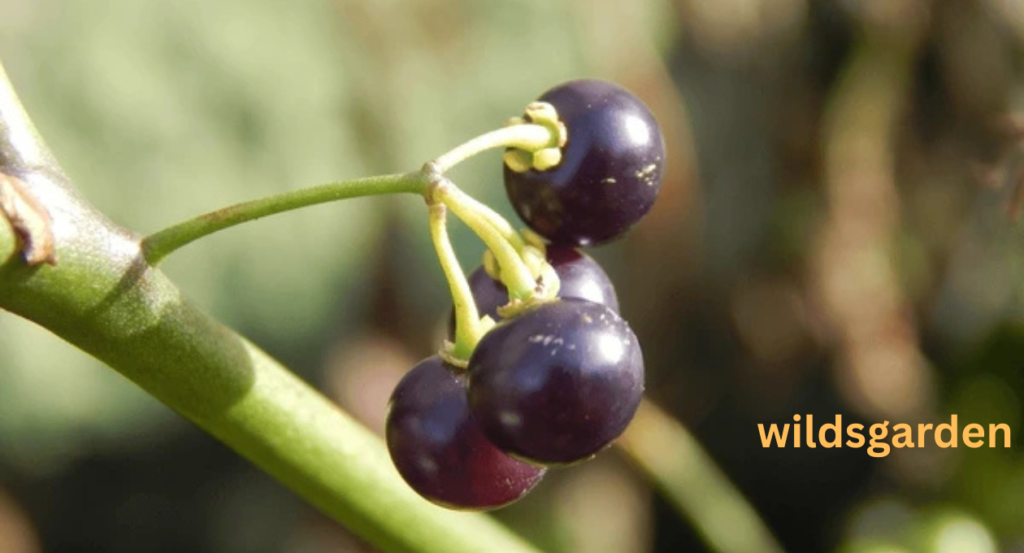
Black Nightshade
Black nightshade is another pokeweed look alike, particularly because of its small dark berries. However, nightshade is much shorter, usually growing only a few feet tall. Its berries grow in small clusters and are rounder compared to pokeweed’s elongated berry chains. The leaves of black nightshade are also smaller and thinner than pokeweed leaves.
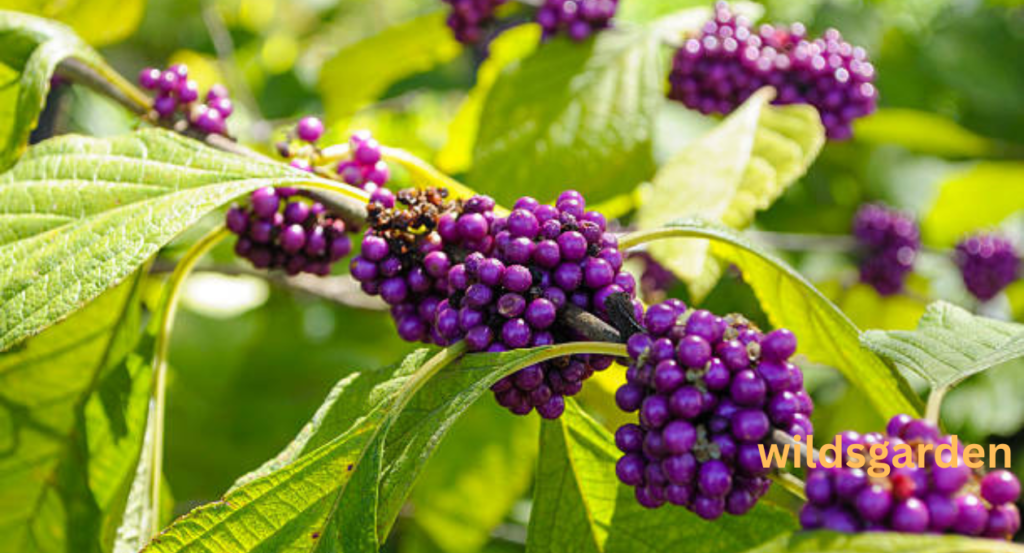
American Beautyberry
American beautyberry can confuse people due to its purple berries, but the berry arrangement is a key difference. Beautyberry produces bright purple berries tightly clustered around the stem, creating a ring-like appearance. In contrast, pokeweed berries hang loosely in grape-like strands. Beautyberry is a woody shrub and generally has lighter green, textured leaves.
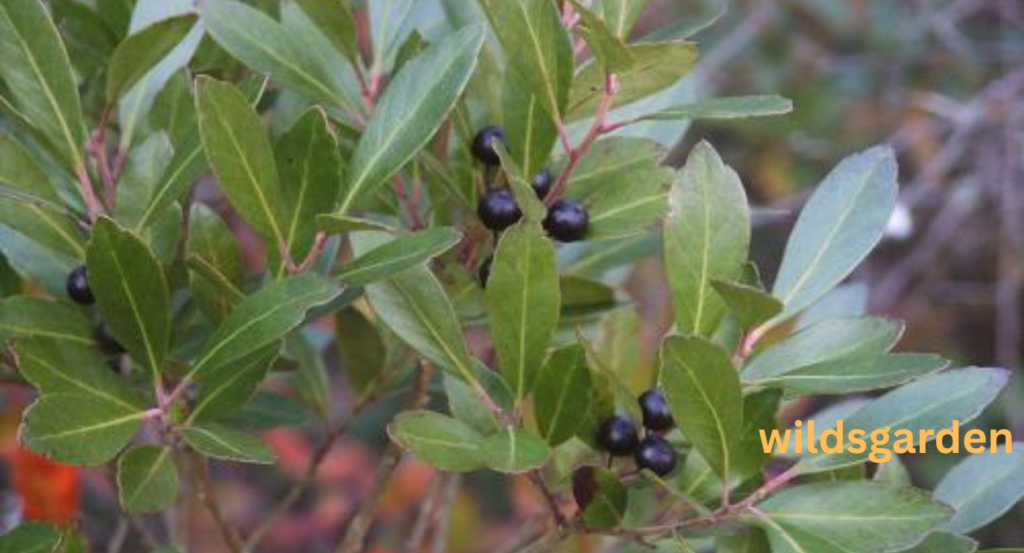
Inkberry
Inkberry is a type of holly shrub that produces dark berries similar in color to pokeweed. However, inkberry leaves are small, thick, and evergreen, unlike pokeweed’s large, soft leaves. Inkberry berries are also spaced along the branches rather than hanging in clusters. The overall structure of inkberry is bushy and woody, which helps distinguish it from pokeweed.
Grapes
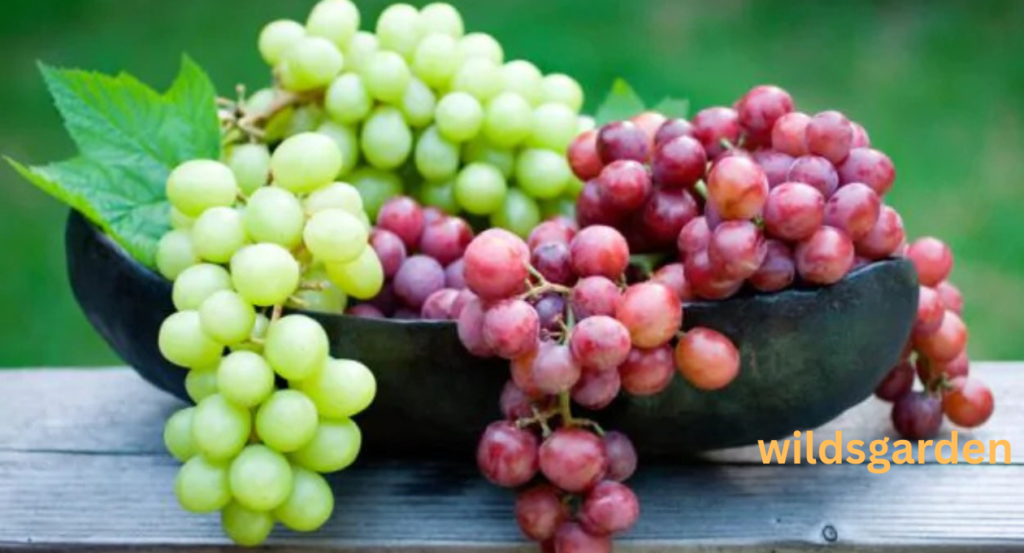
Wild grapes are sometimes mistaken for pokeweed, especially when vines grow near the ground. Grapes grow on climbing vines and have tendrils that help them attach to supports. Their berries grow in tight bunches, similar to store-bought grapes, and the leaves are lobed with a rough texture. Pokeweed, on the other hand, grows upright without vines or tendrils.
Key Tips for Identifying Pokeweed
To accurately identify pokeweed, look for a combination of features rather than relying on a single trait. Pokeweed has thick, reddish-purple stems, large smooth-edged leaves, and drooping clusters of berries attached to bright red stalks. It is also a fast-growing plant that often appears in open or disturbed areas.
Conclusion
Pokeweed look alikes are common and can easily confuse gardeners, foragers, and nature enthusiasts. While some similar plants are harmless or even useful, pokeweed’s toxicity makes proper identification crucial. By paying close attention to stem type, leaf arrangement, berry shape, and growth habit, you can confidently tell pokeweed apart from its look alikes and stay safe while exploring the outdoors.
faqs
1. Why is it important to identify pokeweed correctly?
Pokeweed is toxic to humans and animals if eaten raw or in large amounts. Correct identification helps prevent accidental poisoning and ensures safe interaction with plants that may look similar but have different safety levels.
2. Are pokeweed berries safe to eat?
No, pokeweed berries are poisonous, especially to children and pets. While some traditional preparations exist, they require expert knowledge. It is safest to avoid eating any part of the plant.
3. What plant is most commonly mistaken for pokeweed?
Elderberry is one of the most commonly mistaken plants because both produce dark purple berries. However, elderberry grows as a woody shrub, while pokeweed has soft, non-woody stems.
4. How can I quickly tell pokeweed apart from its look alikes?
Look for reddish-purple stems, large smooth leaves, and long, drooping clusters of berries. Most look alikes either grow on woody shrubs, vines, or have different berry arrangements.
5. Is pokeweed harmful to pets?
Yes, pokeweed is toxic to dogs, cats, and livestock. Ingesting the berries, leaves, or roots can cause serious health problems.

