

Introduction to Autumn Olive
Autumn olive (Elaeagnus umbellata) is a deciduous shrub that has quietly made its presence known across many parts of the world. Originally native to East Asia, this hardy plant was introduced to other regions for soil conservation, wildlife habitat, and ornamental purposes. Over time, however, it has become both admired and controversial. While some appreciate its resilience and nutritional fruit, others view it as an invasive species that disrupts local ecosystems.
The Appearance and Growth of Autumn Olive
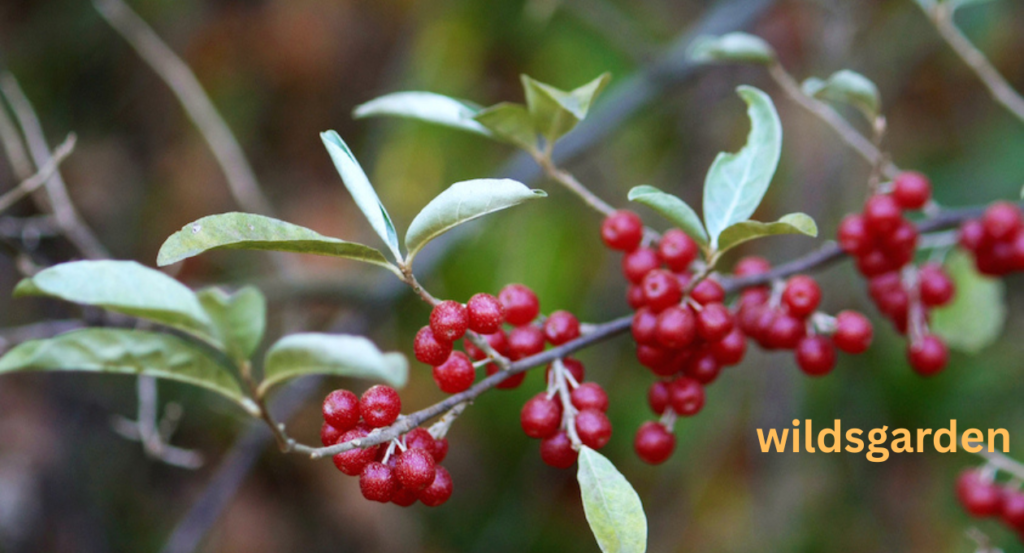
Autumn olive is easily recognizable once you know what to look for. It typically grows between 6 to 20 feet tall, forming dense thickets. Its leaves are oval-shaped with a distinctive silvery underside that shimmers in sunlight. During spring, the plant produces small, fragrant yellowish-white flowers that may go unnoticed visually but are quite aromatic.
Berries and Seasonal Changes
By late summer to early autumn, the shrub becomes especially striking due to its bright red berries speckled with silver dots. These berries are small but abundant, often covering the branches in clusters. As the seasons shift, the foliage transitions to a soft yellow, adding to its ornamental appeal before shedding leaves in winter.
Nutritional and Culinary Value
One of the most compelling aspects of autumn olive is its fruit. The berries are edible and surprisingly nutritious. They are rich in antioxidants, particularly lycopene, which is also found in tomatoes and linked to various health benefits. In fact, some studies suggest that autumn olive berries contain even higher concentrations of lycopene than tomatoes.
Uses in the Kitchen
Despite their tart taste when raw, the berries become quite versatile in cooking. They are often used to make jams, jellies, sauces, and even fruit leathers. When sweetened, their flavor transforms into something pleasantly tangy and complex. For those interested in foraging, autumn olive offers a rewarding seasonal harvest.
Environmental Impact: A Double-Edged Sword
Autumn olive’s ability to thrive in poor soil conditions is both a strength and a concern. It has nitrogen-fixing properties, meaning it can improve soil fertility. This trait made it attractive for land reclamation projects. However, this same ability allows it to outcompete native plants, altering ecosystems and reducing biodiversity.
Invasive Nature
In many regions, autumn olive spreads aggressively through bird-dispersed seeds. Birds consume the berries and unknowingly help propagate the plant across wide areas. Once established, it forms dense thickets that can crowd out native vegetation, making it difficult for local species to survive.
Managing and Controlling Growth
Because of its invasive tendencies, managing autumn olive has become a priority in certain areas. Mechanical removal, such as cutting and uprooting, is one method, though it can be labor-intensive. Chemical treatments are sometimes used but must be handled carefully to avoid harming surrounding plants.
Responsible Cultivation
For those who still wish to grow autumn olive for its fruit or ornamental value, responsible cultivation is key. Planting in controlled environments and preventing seed spread can help balance its benefits with environmental responsibility.
Conclusion
Autumn olive is a fascinating plant that embodies both beauty and complexity. Its shimmering leaves, fragrant flowers, and nutrient-rich berries make it appealing to gardeners and foragers alike. At the same time, its invasive nature serves as a reminder of how human intervention in ecosystems can have unintended consequences. Understanding and managing this plant thoughtfully allows us to appreciate its benefits while protecting the natural balance of our environment.
faqs
What is autumn olive?
Autumn olive (Elaeagnus umbellata) is a fast-growing deciduous shrub native to Asia. It is known for its silvery leaves, fragrant flowers, and bright red berries that appear in the fall.
Are autumn olive berries edible?
Yes, the berries are edible and highly nutritious. They are rich in antioxidants like lycopene, though they taste quite tart when eaten raw. Many people prefer using them in jams, jellies, or sauces.
Is autumn olive invasive?
In many regions, especially in North America, autumn olive is considered invasive. It spreads quickly and can outcompete native plants, reducing biodiversity.
Why was autumn olive introduced to other countries?
It was introduced for practical purposes such as erosion control, land reclamation, and providing wildlife habitat due to its hardy nature and ability to grow in poor soils.
How does autumn olive spread?
The plant spreads mainly through its seeds, which are eaten and dispersed by birds. This allows it to grow rapidly in new areas.

